Hello

We're chin deep in the work of getting this magazine ready to share, if you want to get involved contact us with the form on the right (if you like forms).

If you're into contributing pictures, video, music, words, secret maps, and that kind of creative adventure stuff email: [email protected]

If you're into booking ads, making ad-like content, setting up meetings, and that sort of stuff email: [email protected]


123 Street Avenue, City Town, 99999

(123) 555-6789

[email protected]


You can set your address, phone number, email and site description in the settings tab.
Link to read me page with more information.

News

Another Fake Adventure

Stay Wild

Branded Content Vs. My Lovelife

Story by Justin “Scrappers” Morrison // @scrappers // humanpocketknife.com

Photos by Sera Lindsey // @witchs.sabbath // sunmoonjournal.com
hikey.jpg

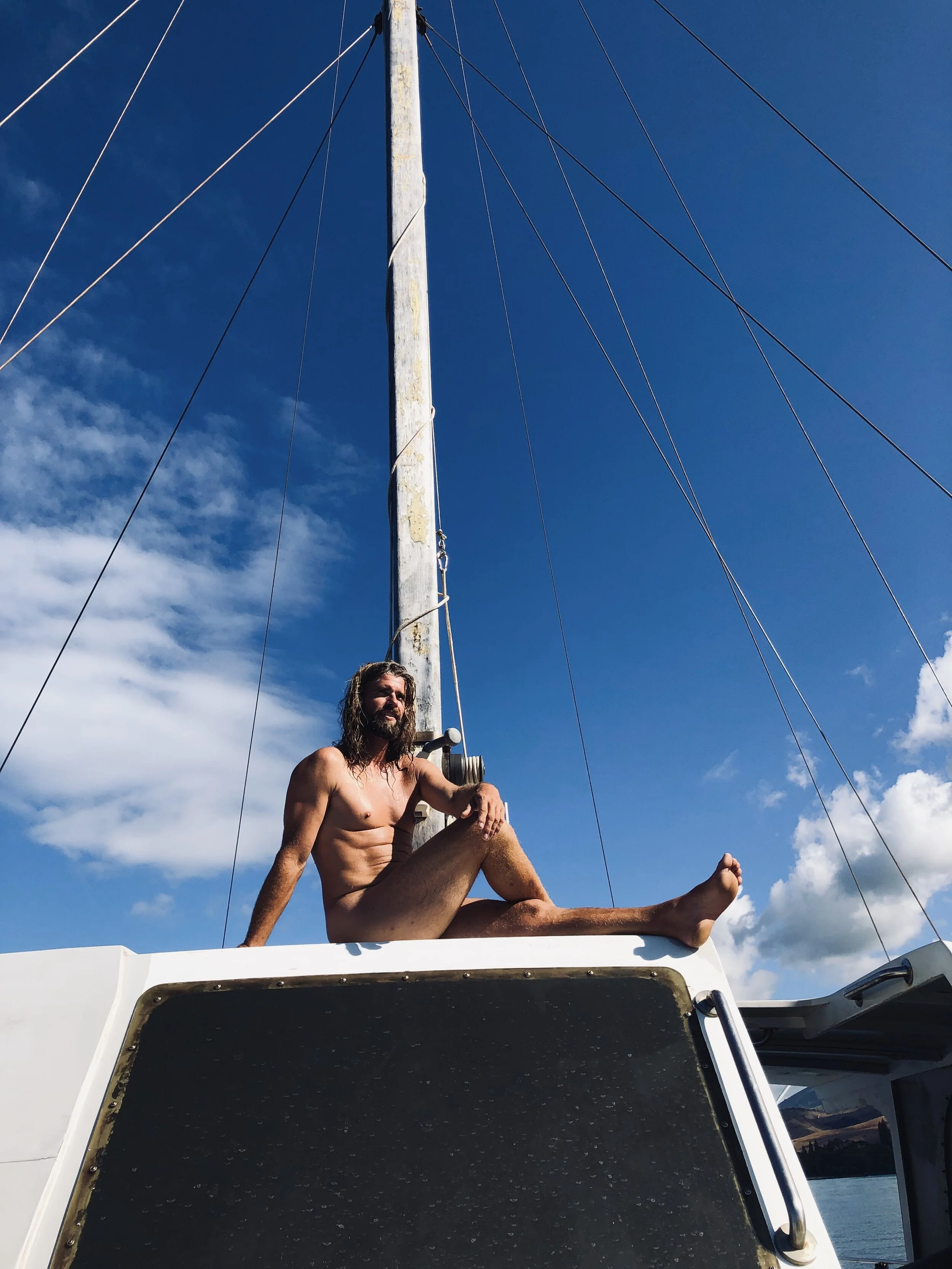
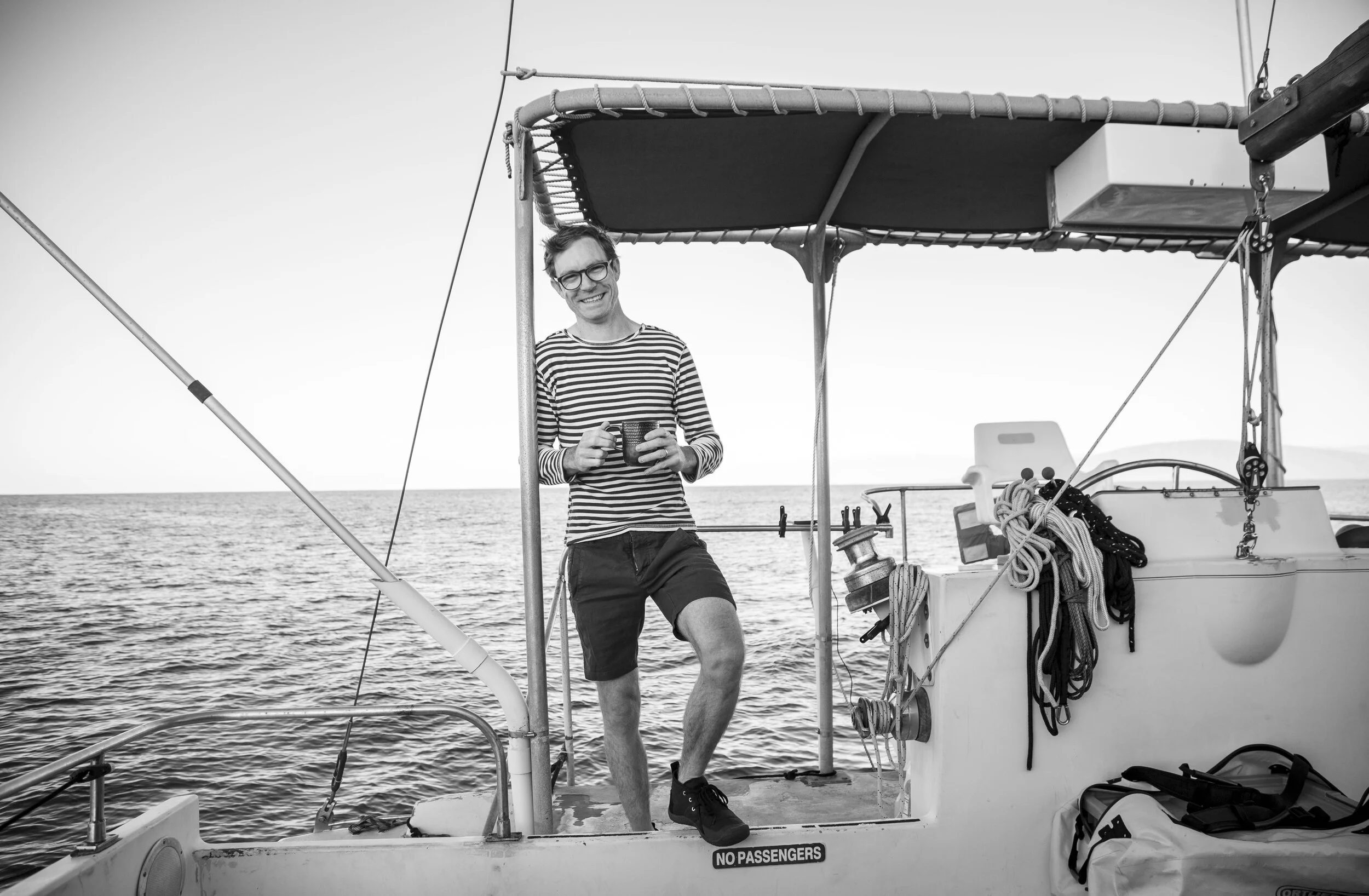
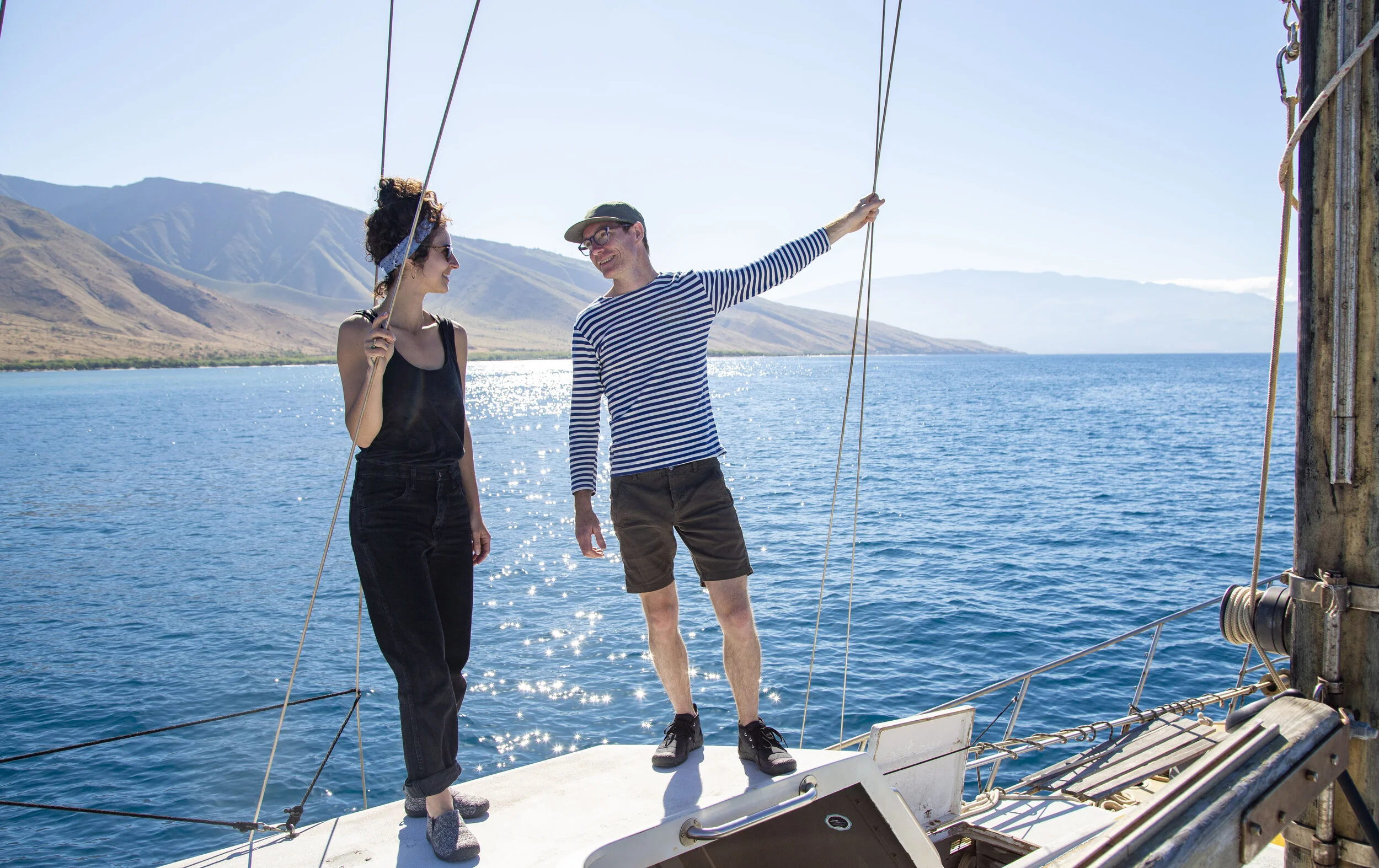
The captain of the catamaran greeted us with his tanlineless penis hanging between his legs. It seemed to say, “Ahoy, Mateys!” Sera and I looked at each other with agreeing smirks. Then we took our clothes off and jumped into the shark-infested water. This is the real-life side of a fake adventure story, the part I should leave out.
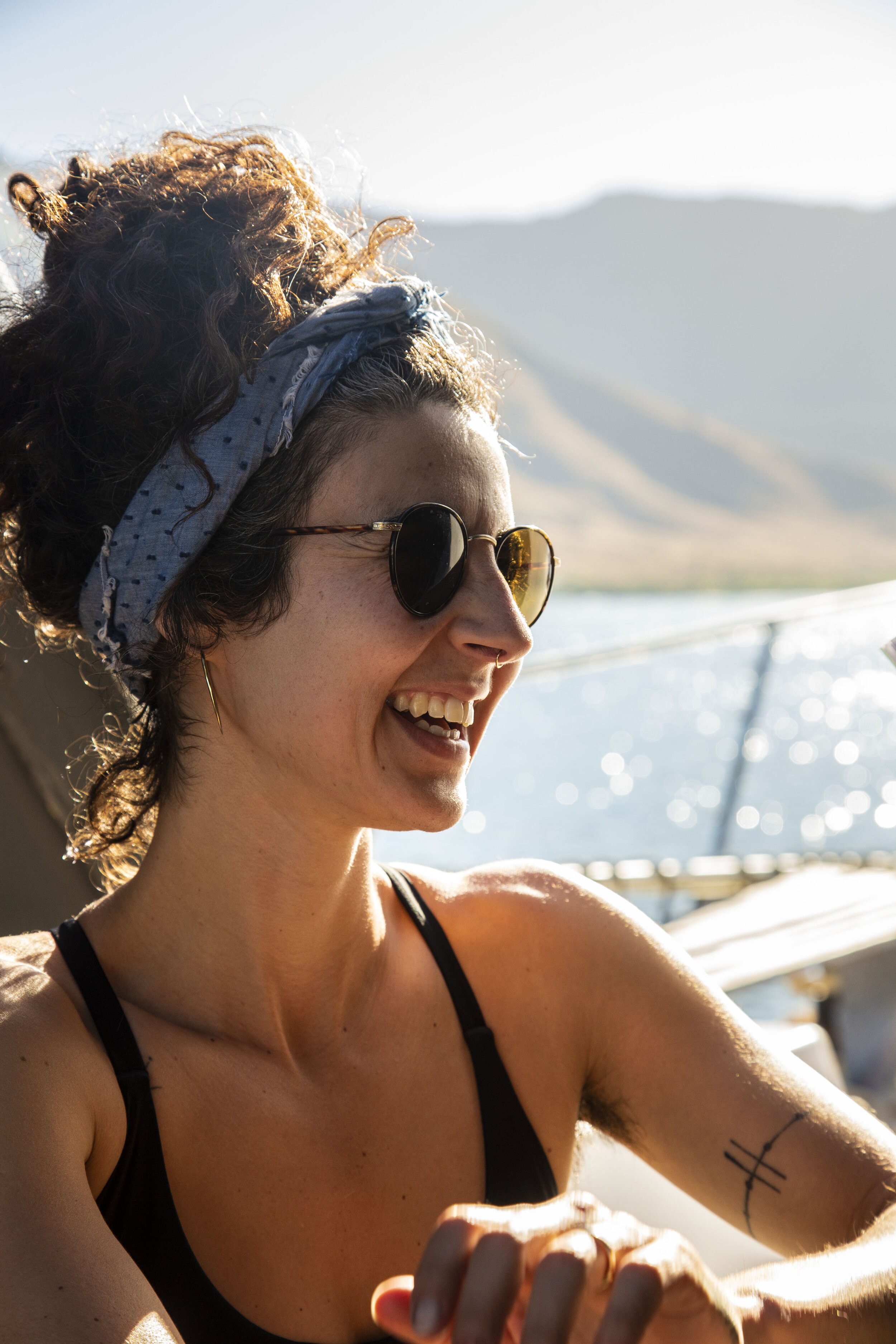
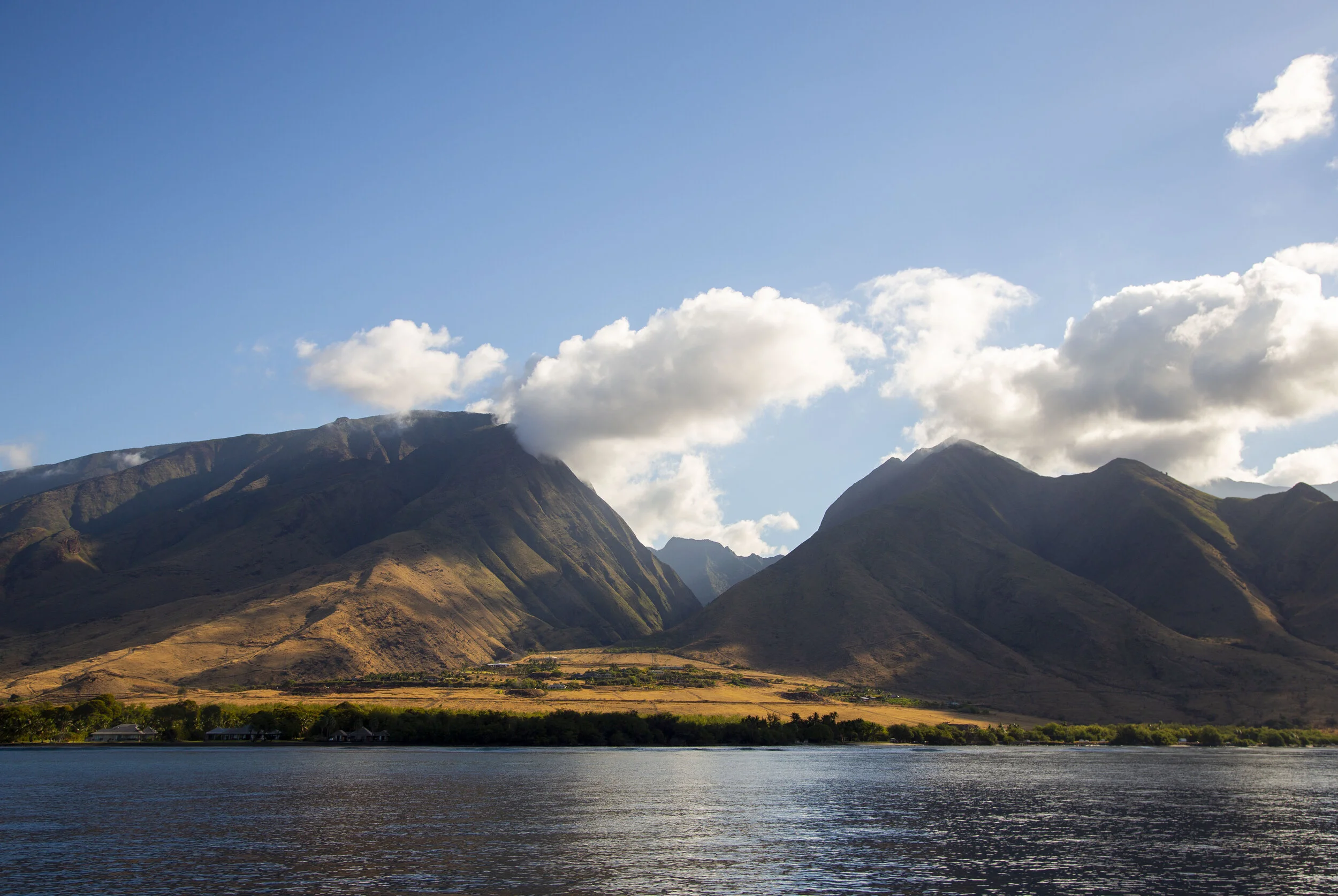
The week before I met the naked captain, I politely sat at a meeting table in the headquarters of the shoe company Keen. Nodding my head and saying, ”Yeah, totally! We can make it look like we’re just fans of Keen out on an epic hike.” We were hired to keep it #authentic and #quirky. I was shown photo examples of what that looked like exactly and it was white people with their arms and fingers stretched up in the air like the world was hugging them with entitlement. Pretty much the same stuff brands always ask me and Sera for and never what they get from us in the end. 

I tried to give them what they asked for like a typical YouTuber: “Hey Guys, OMG! We’re here on a boat anchored off the island of Maui. The captain just told us about an orgy he had in the bed we’re sleeping in tonight. Hope he washed the sheets?! Not sure if he’s flirting with both of us or just Sera. Either way, I really want to get off this boat, but it’s the only available place to stay tonight. Maui has a housing shortage because of tourists like us wanting to stay in homes more than hotels. I just asked the captain if we could go to shore and now he’s swimming around the boat naked scrubbing algae off the side. Guess I’m trapped here. Anyways, check out these hiking boots. V-kewl-AF! Right? Oh, don’t forget to subscribe to this channel.” It was clear that the fake content we came to make was far less interesting than the true story.

Dripping wet, the captain told us about his dream to turn this ship into a sort of underwater tree fort. He wants to capsize a couple ships, sink them, anchor them to the ocean floor, and pump oxygen into them from the main boat to create underwater hangouts. He’s a crazy dreamer. He refers to himself as a submariner. I don’t believe a word he says, but I love him.
9C5A8428.JPG

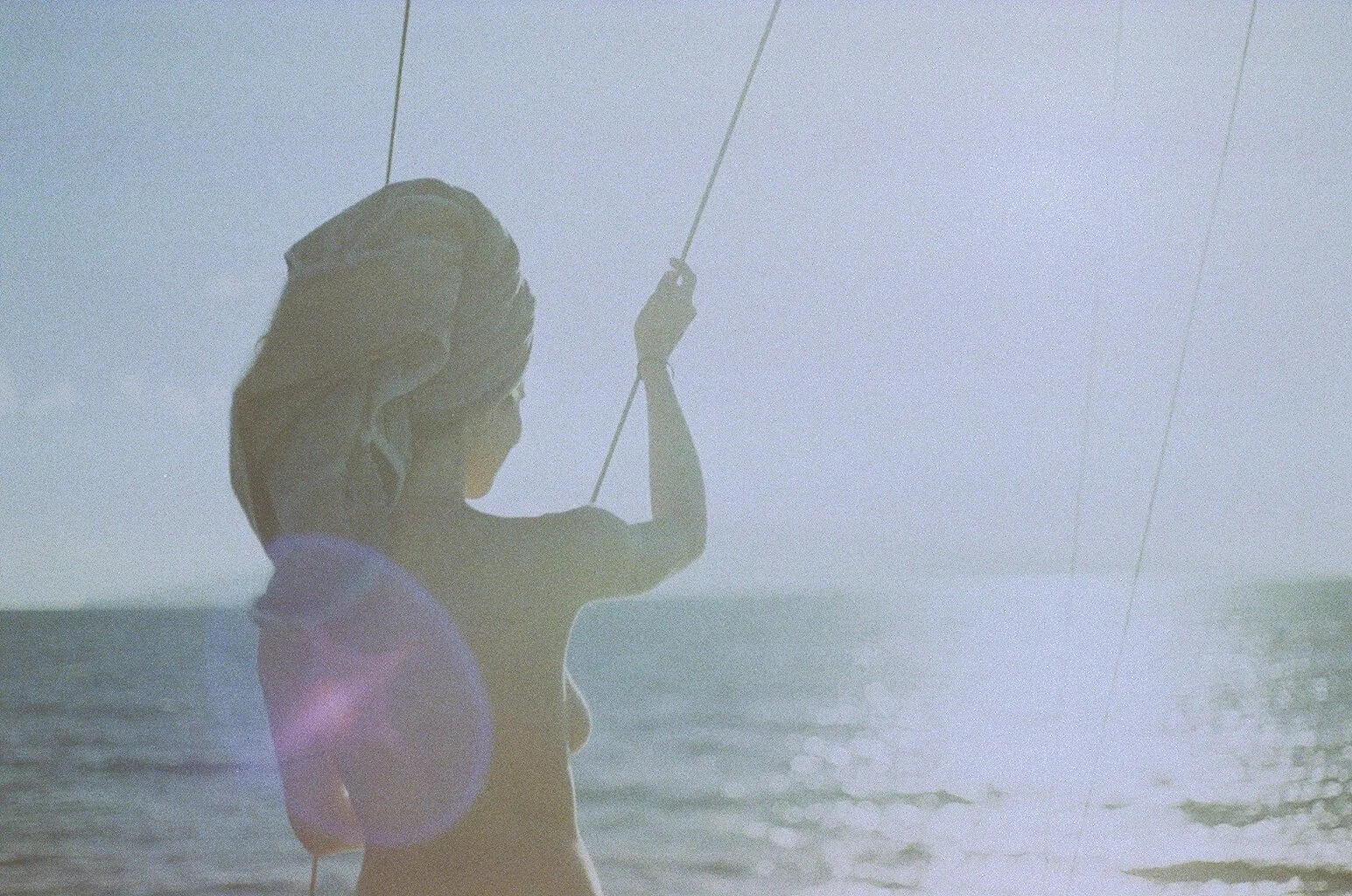
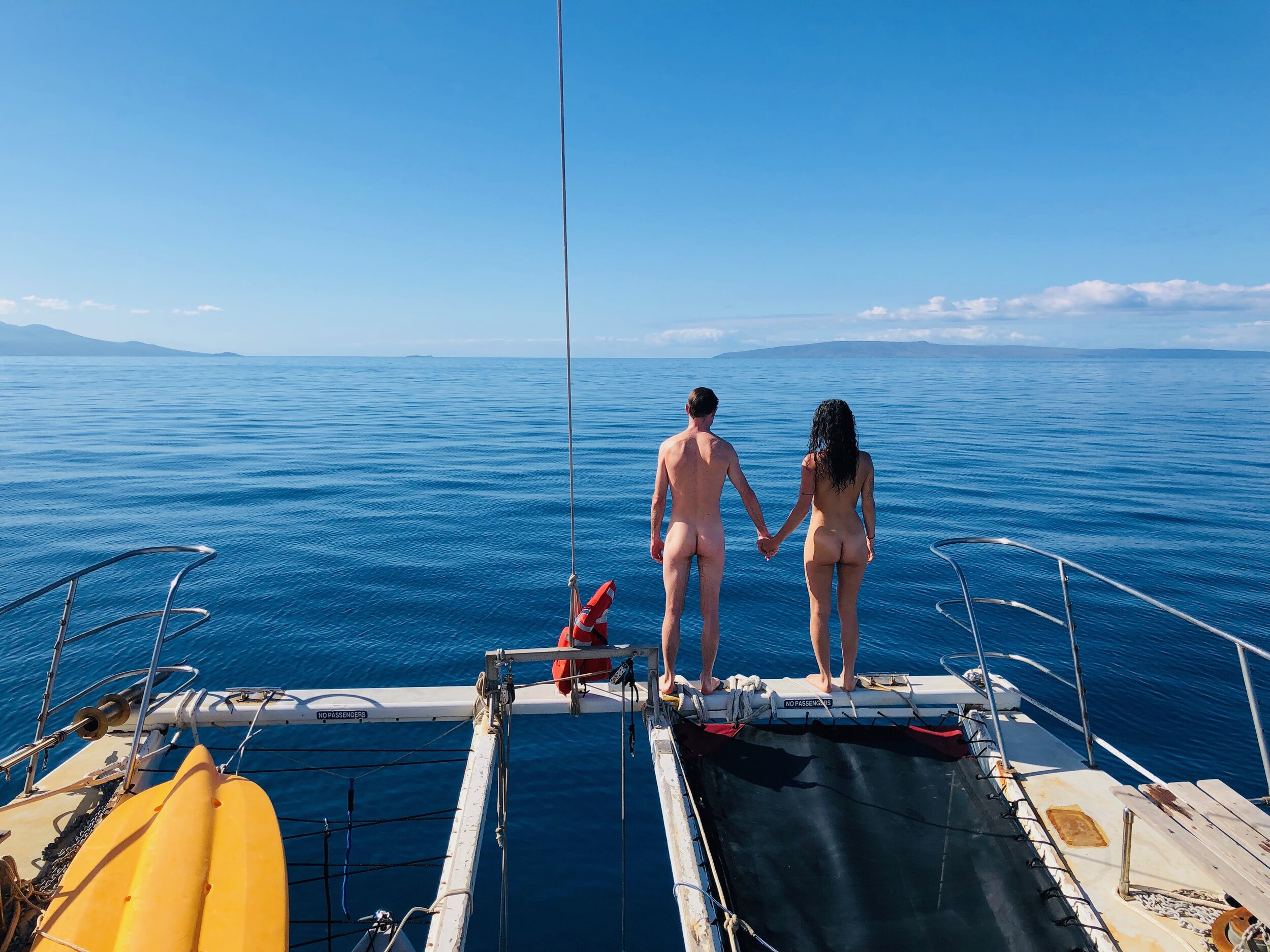
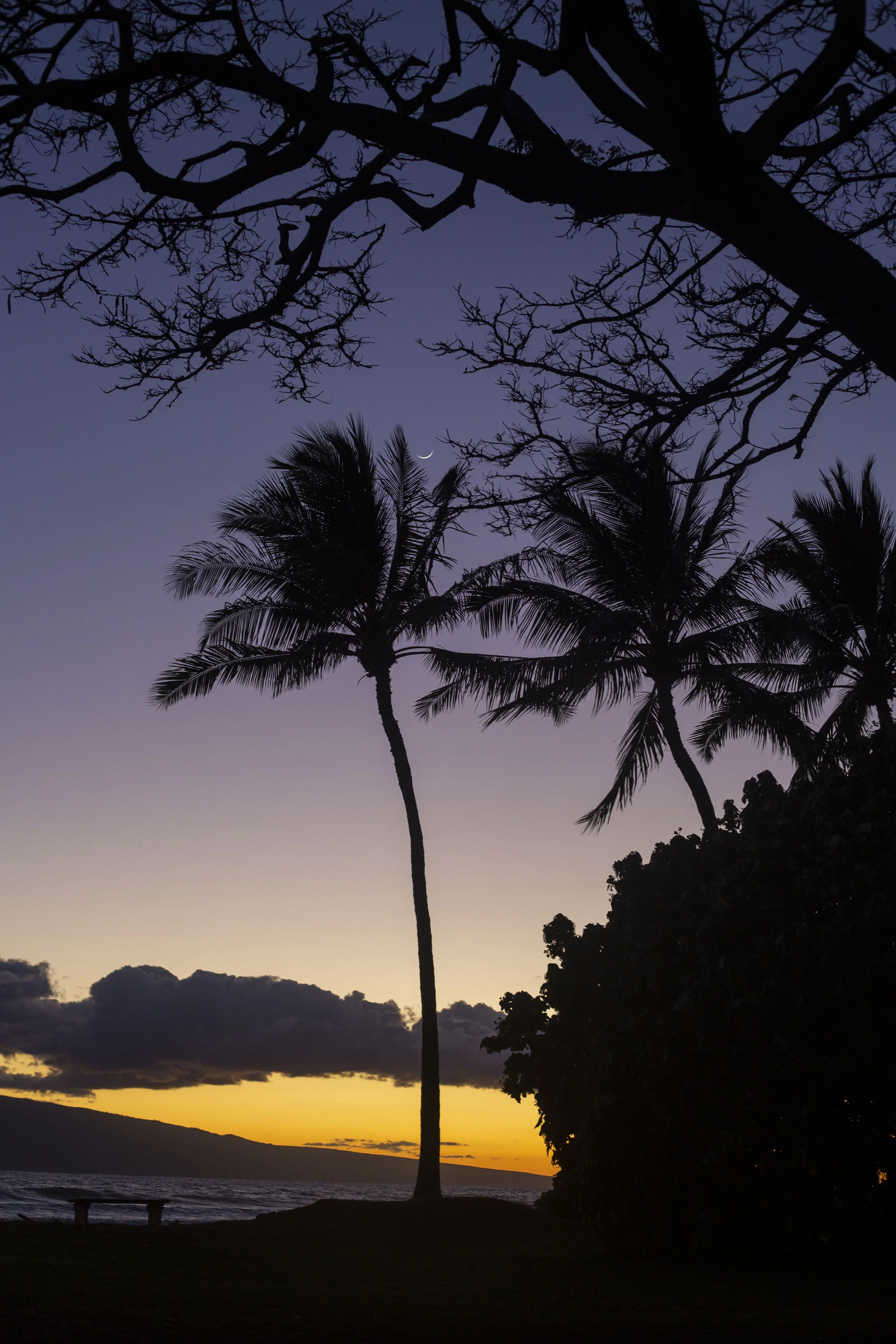
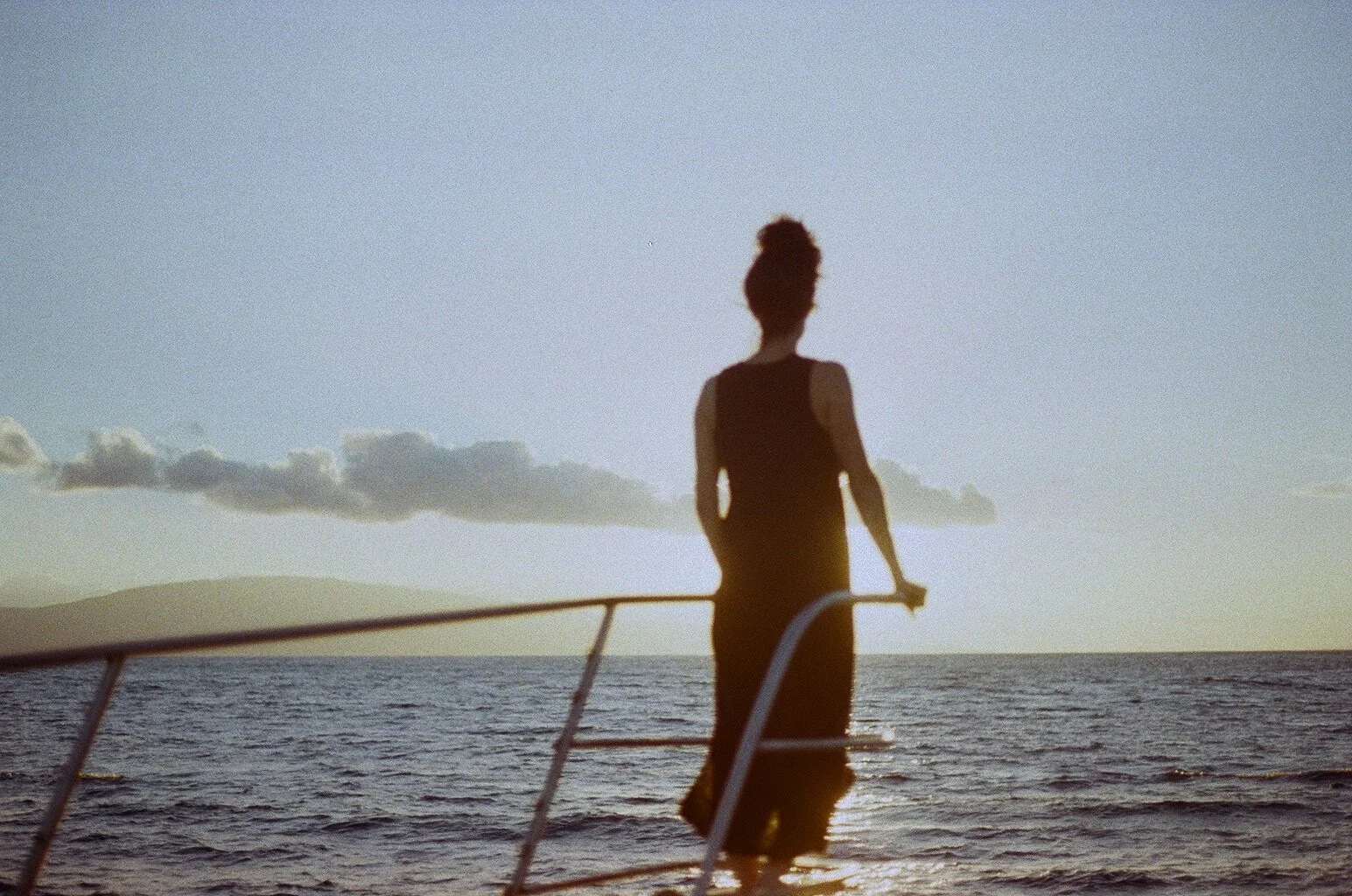
At night the stars kept us awake while the captain slept. The sky was teeming with life. I’d never seen that many twinklers, shooters, and UFOs. We laid out on a net that ran from one side of the catamaran to the other over the water. The boat rocked like a baby’s cradle. The sky above and the water below seemed to merge together and we floated in the Universe, high on love for the moment.

Sera and I hadn’t stayed up that late since we first met in Cuba two years ago. We were working on another story for a shoe company. She was photographing/modeling and I was writing/producing. I rented a huge five-bedroom mansion for the five-person crew, but it ended up only having four bedrooms. I slept on the firm living room couch which was stuffed with actual sawdust. Sera ended up with the master bedroom and invited me to share the mammoth bed with her. After the third night on the couch, I took her up on the offer. By that point in the trip, the crew felt more like friends anyways, so it didn’t seem flirty at all. To create distance in the bed I warned her that I fart in my sleep. This made her laugh and only brought us closer. We stayed awake in the dark learning about each other in whispers. I like to say we met in the dark. I imagined a future together where I would write and she would shoot photos for adventure stories. Since Cuba, that’s pretty much what we’ve been doing.
9C5A8135_1.JPG

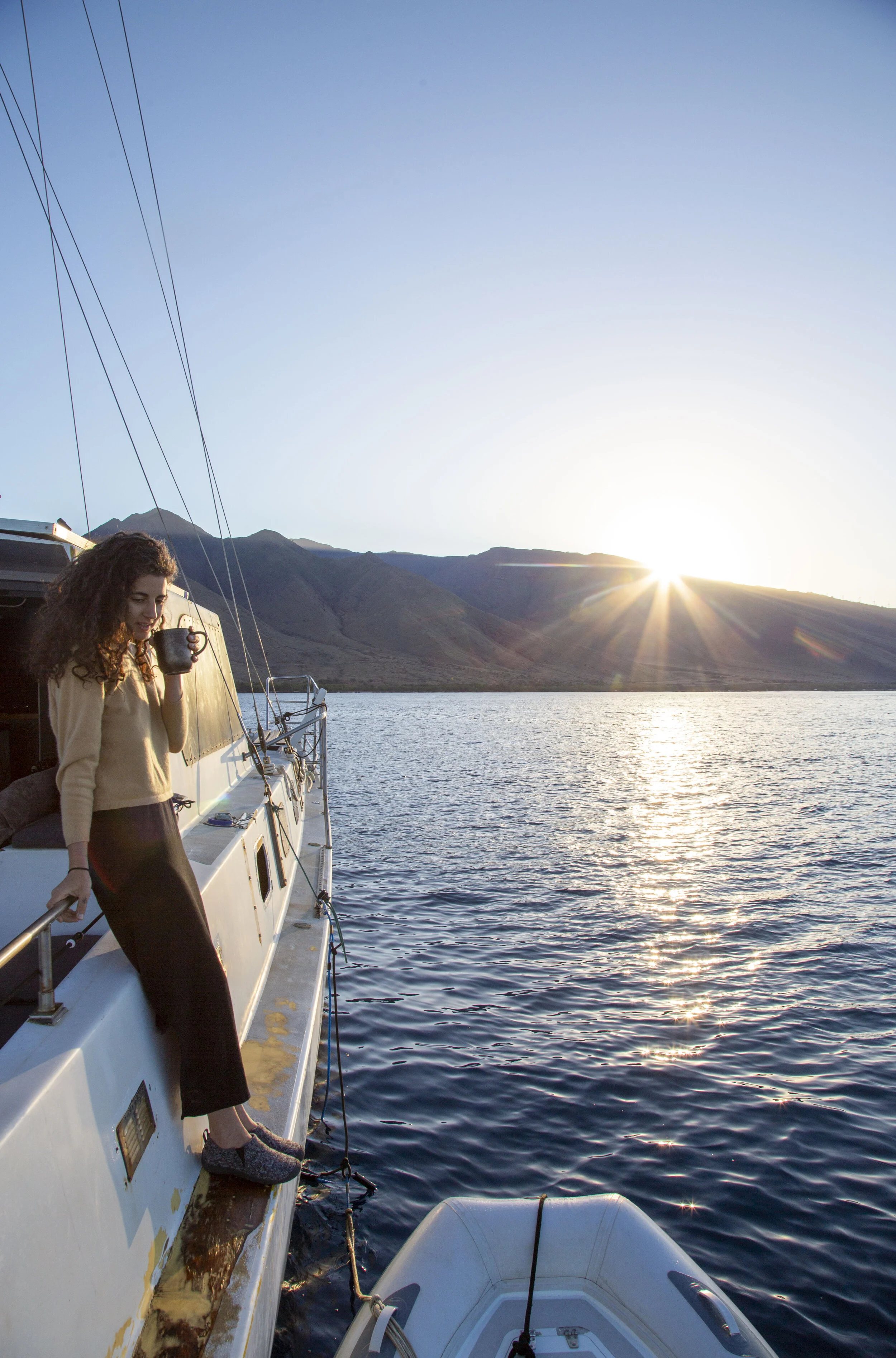
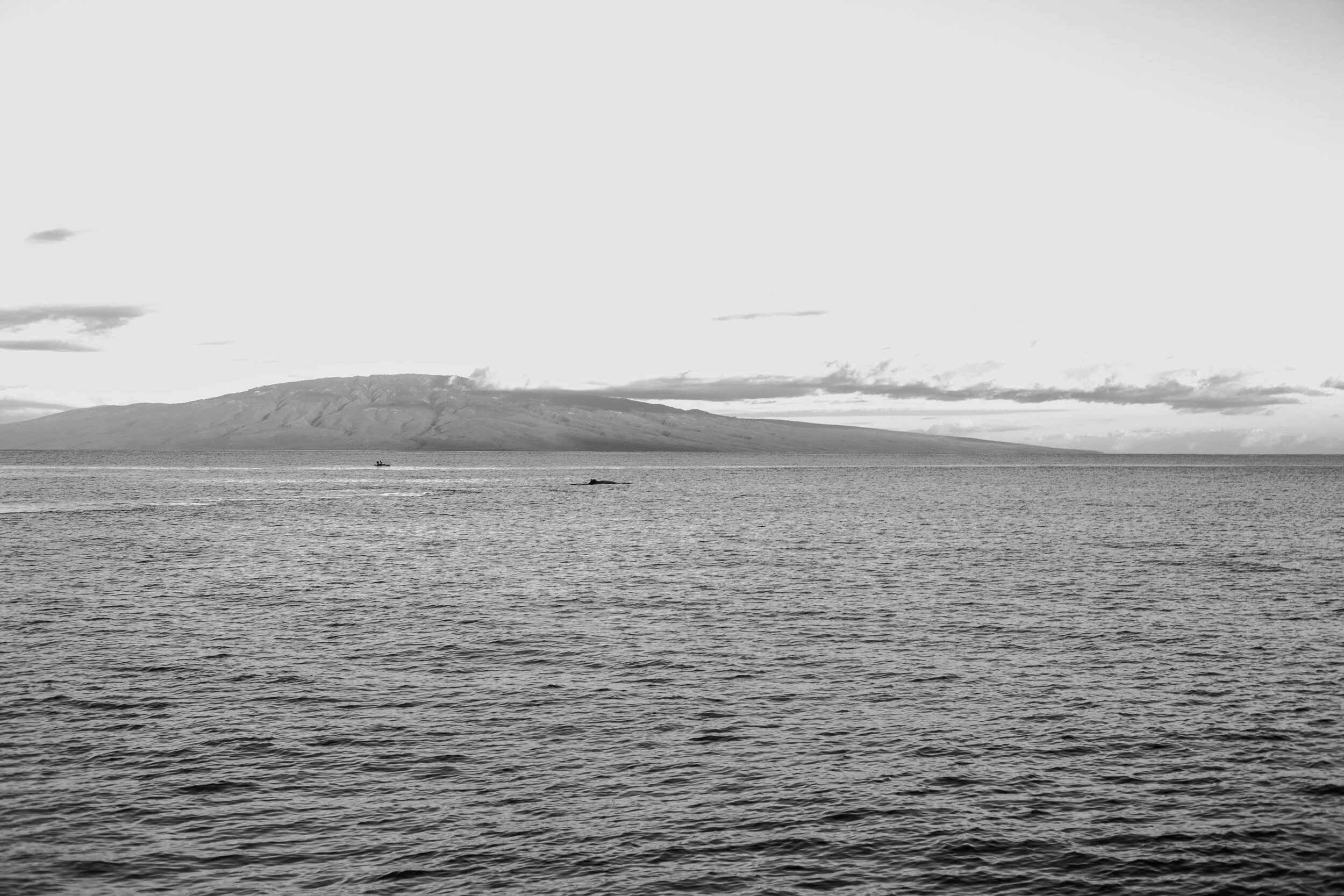
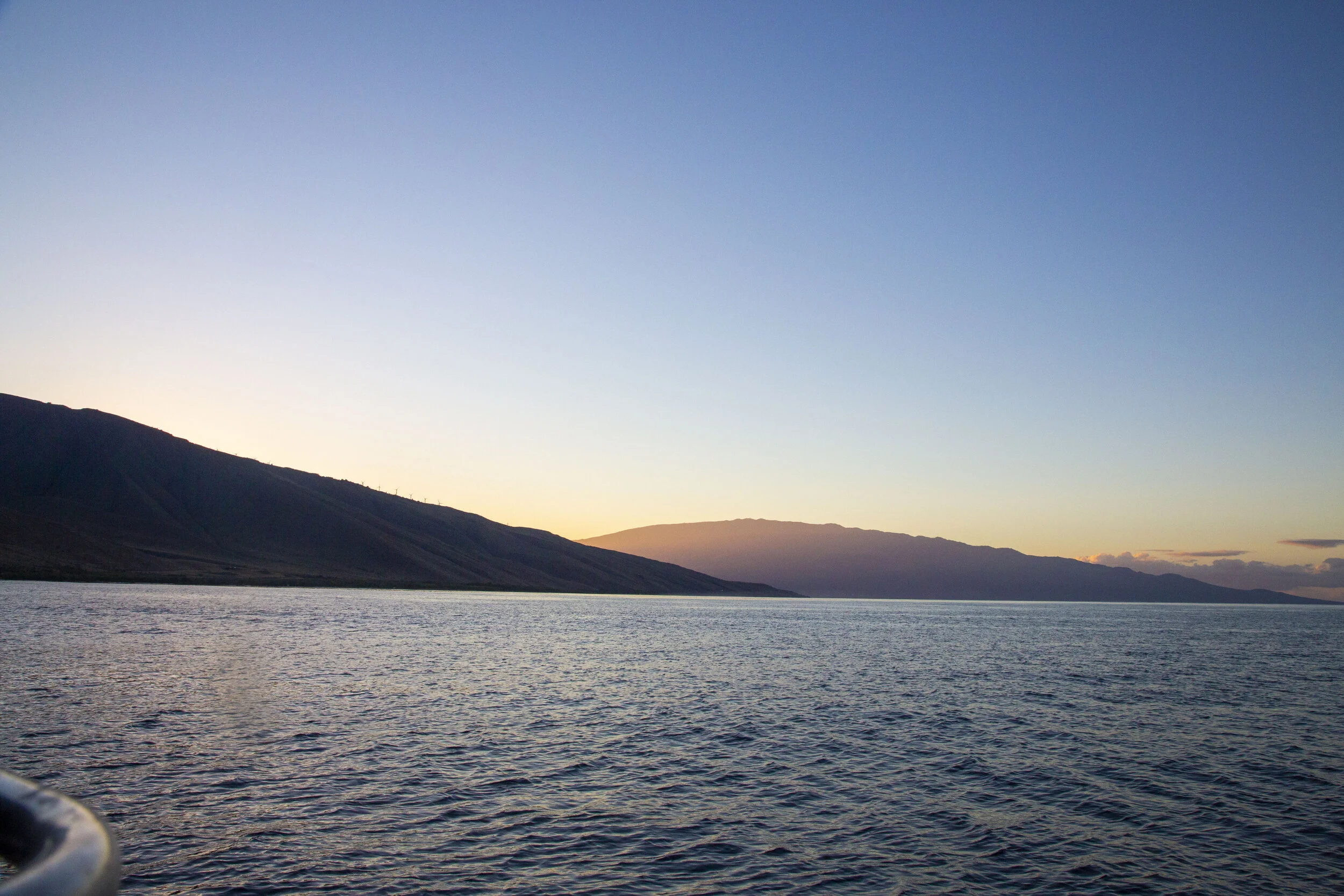
The sun came up slowly on the western side of Maui. The water was smooth, glassy, and pastel. The calm was shattered by a humpback whale coming up for a breath of air a couple yards from the boat. The sound caused me to spit my tea out. Sera gasped for breath and used her phone to film the whale. I turned my back from the special moment and scrambled for the nicer camera. I thought, “What if Keen needs high res for billboards?” But by the time I got back with the camera, the moment had passed. Maybe I was mad because I missed it, but I turned my frustration on Sera and that she didn’t use the nicer camera.

Sera and I struggle a lot on these types of adventures. The balance of being together romantically, yet being there to create commercially-valuable content, creates a lot of tension. We often fight in exotic locations. I’ve yelled nasty things at her like, “Do you know how many photographers would find this job FUCKING DELIGHTFUL!” Then she’ll yell something to brutally injure my ego. There is no winning in these fights. We are the trouble in paradise.

The captain woke up after the whale rocked the boat and offered us coconut syrup-smothered banana pancakes. I would rather he give us a ride to shore in his dingy. We have work to do, but I could tell Sera would rather I friggen relax and just accept the moment. His pancakes are pure cane sugar candy. They’re so sticky we have to skinny dip to rinse before going ashore.
9C5A8266.JPG
9C5A8190.JPG

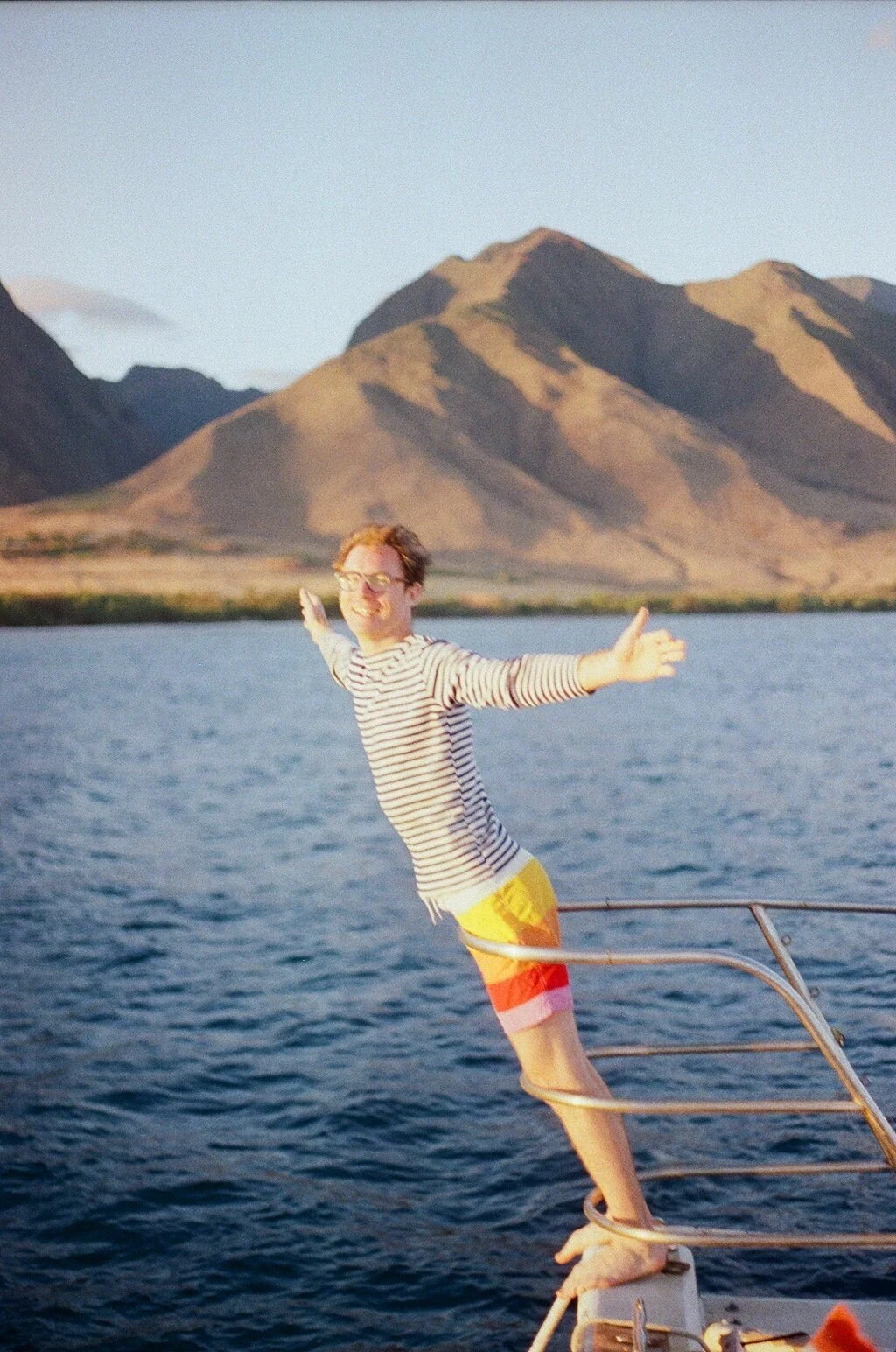
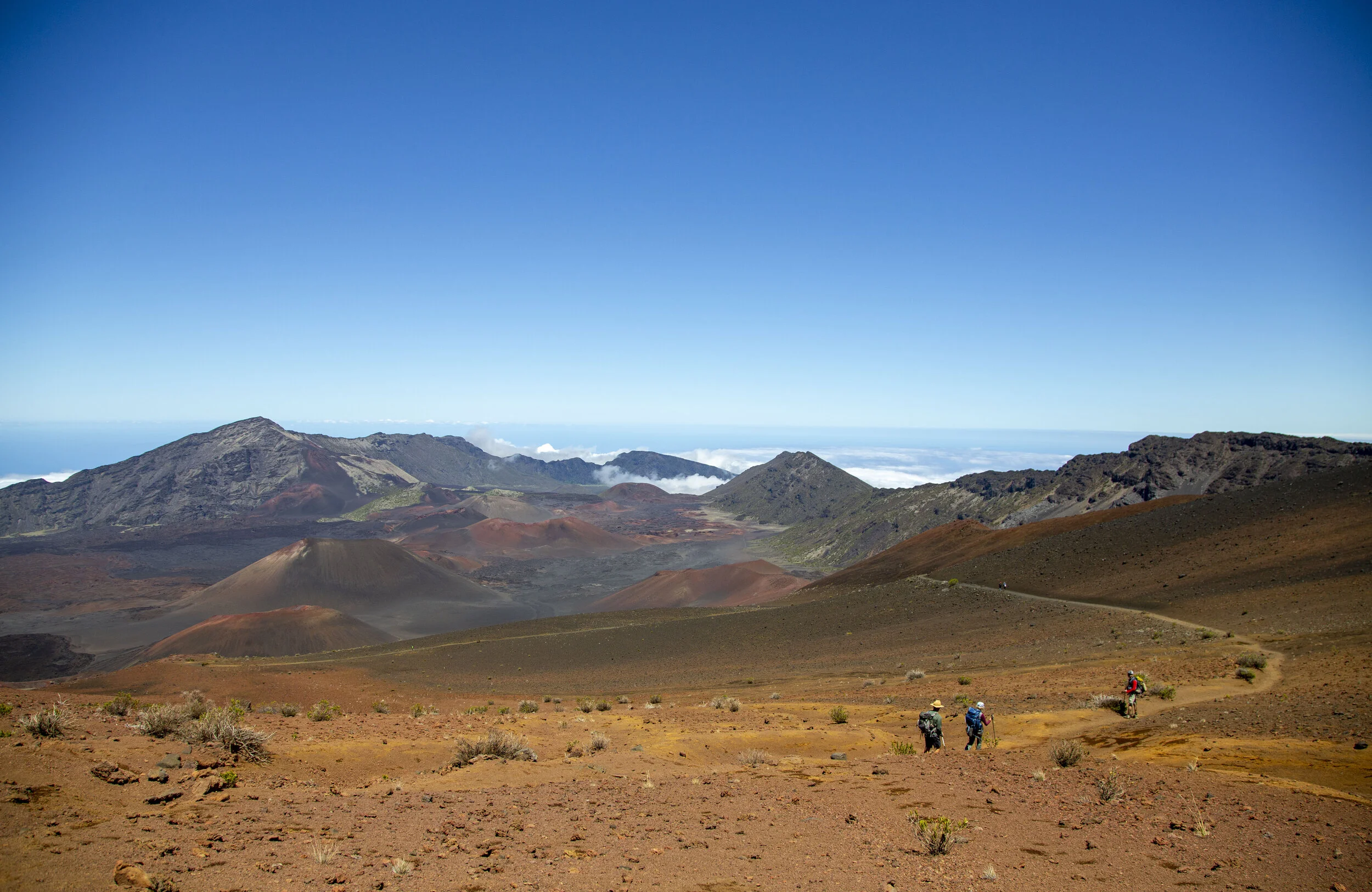
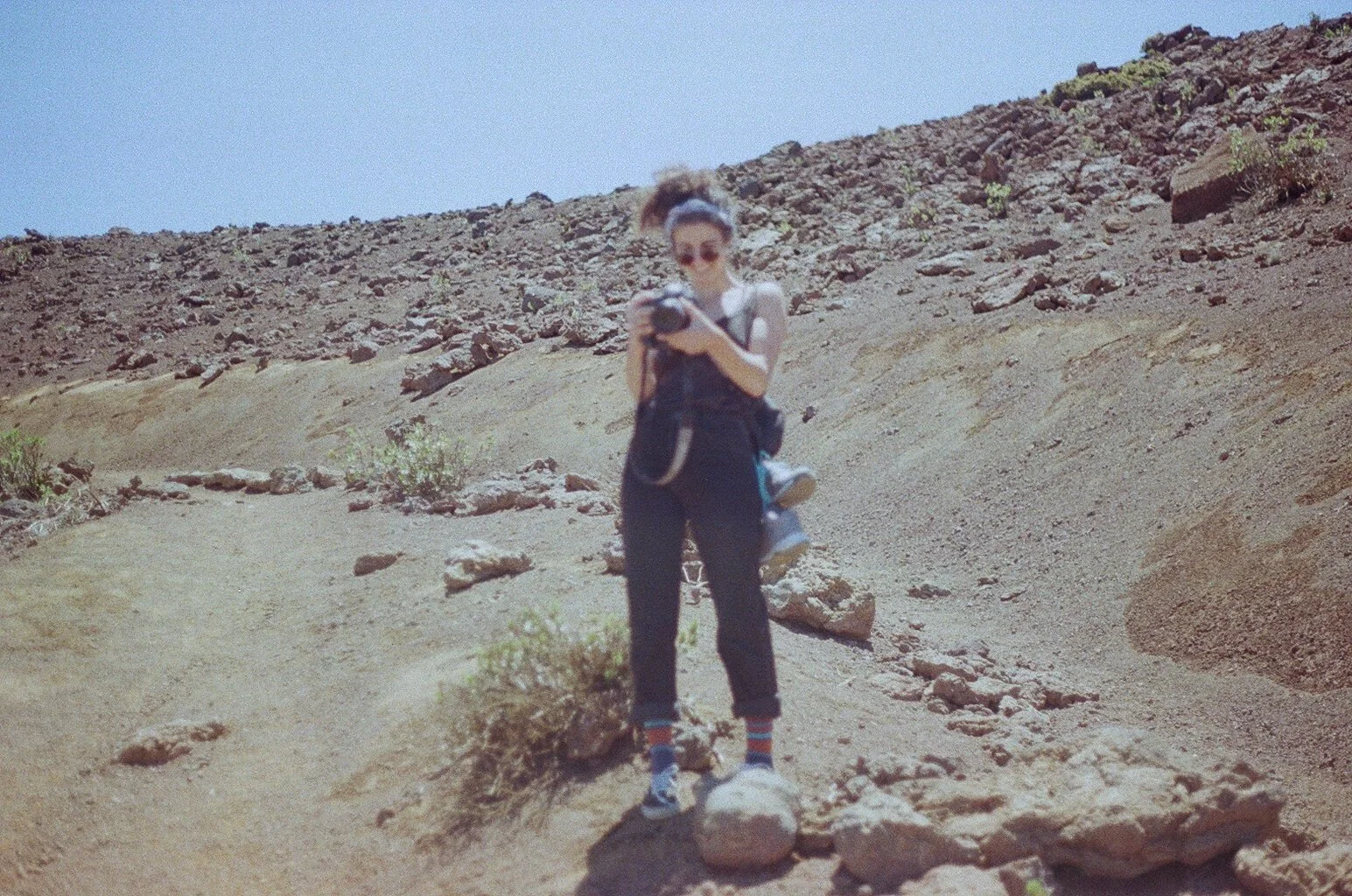
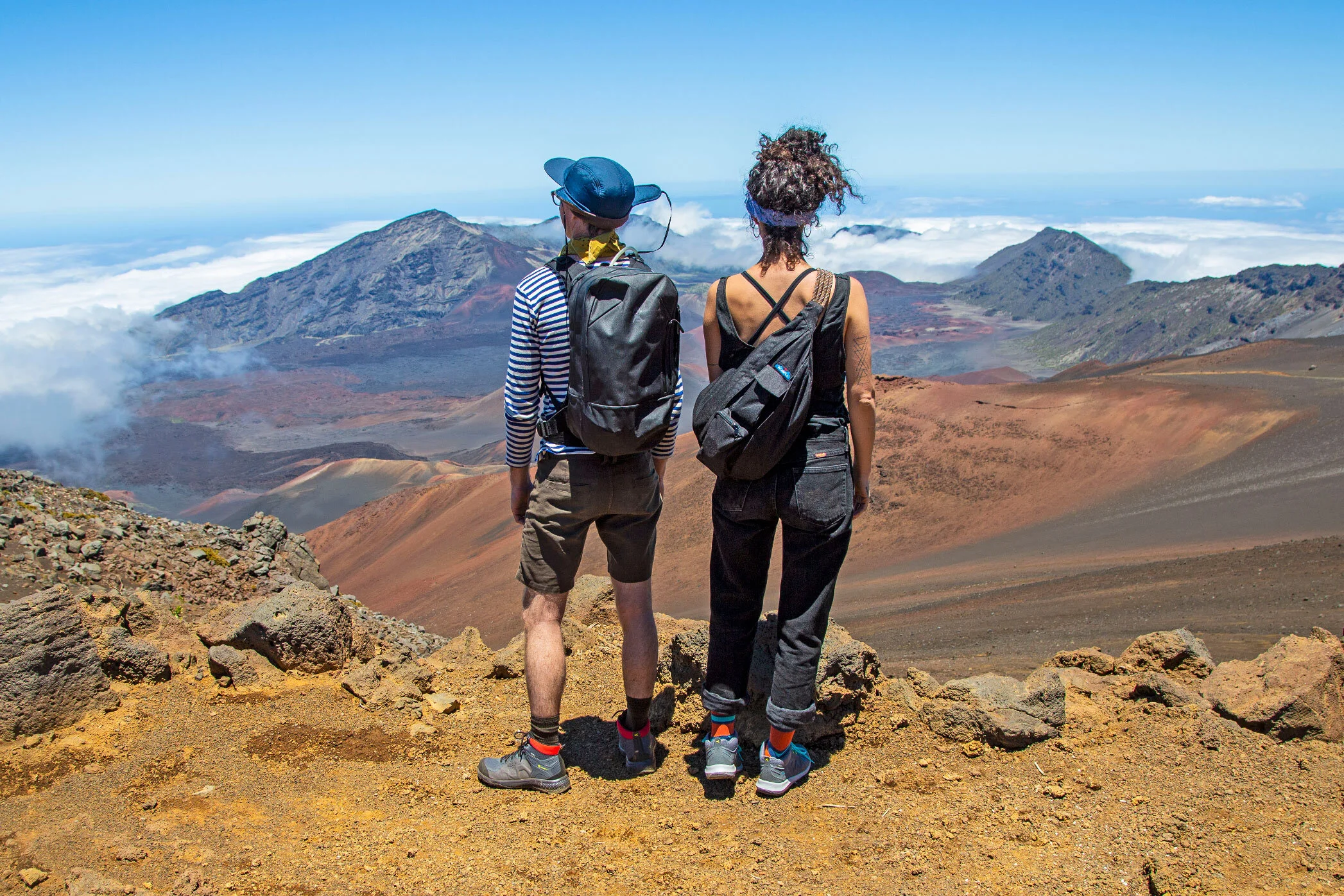
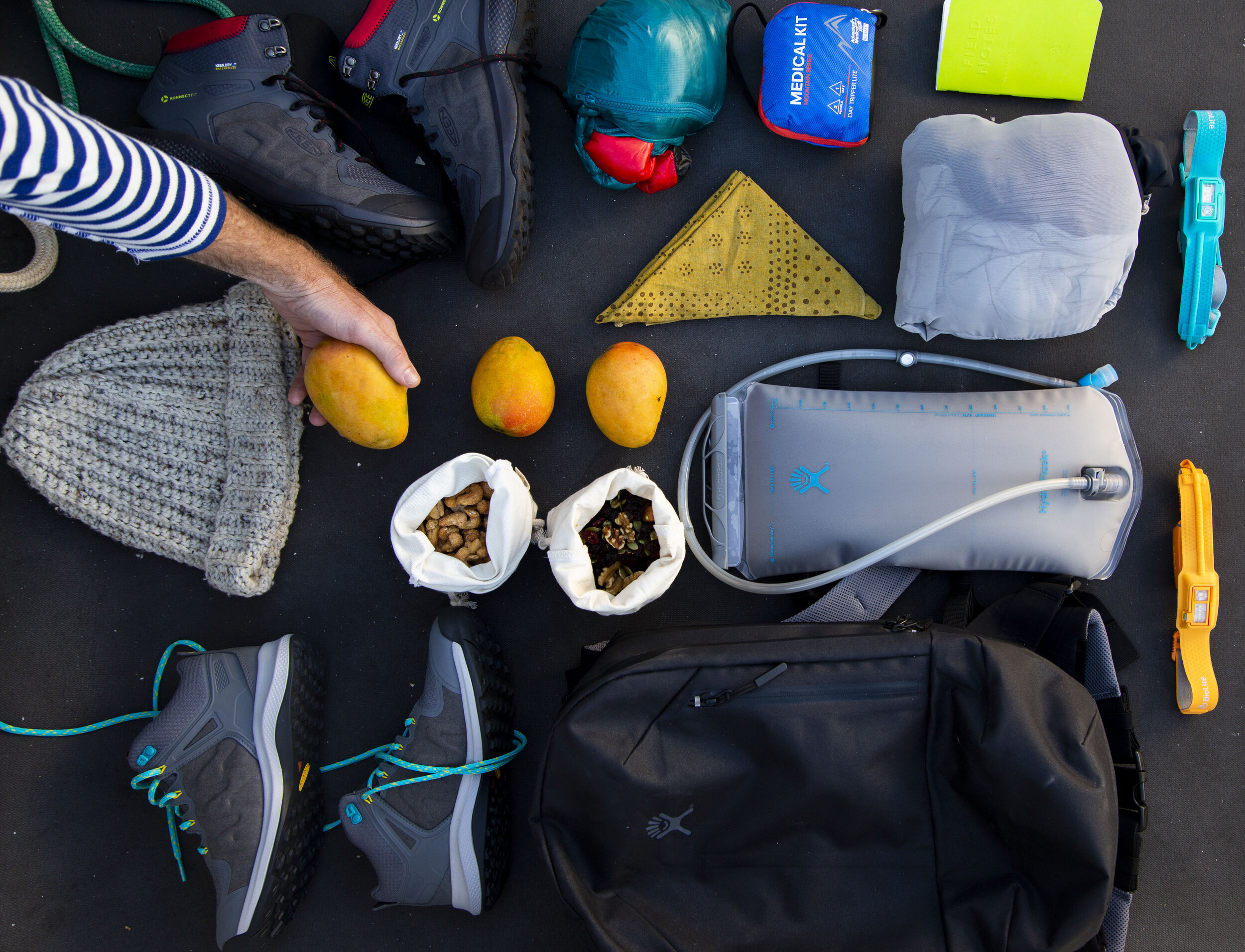
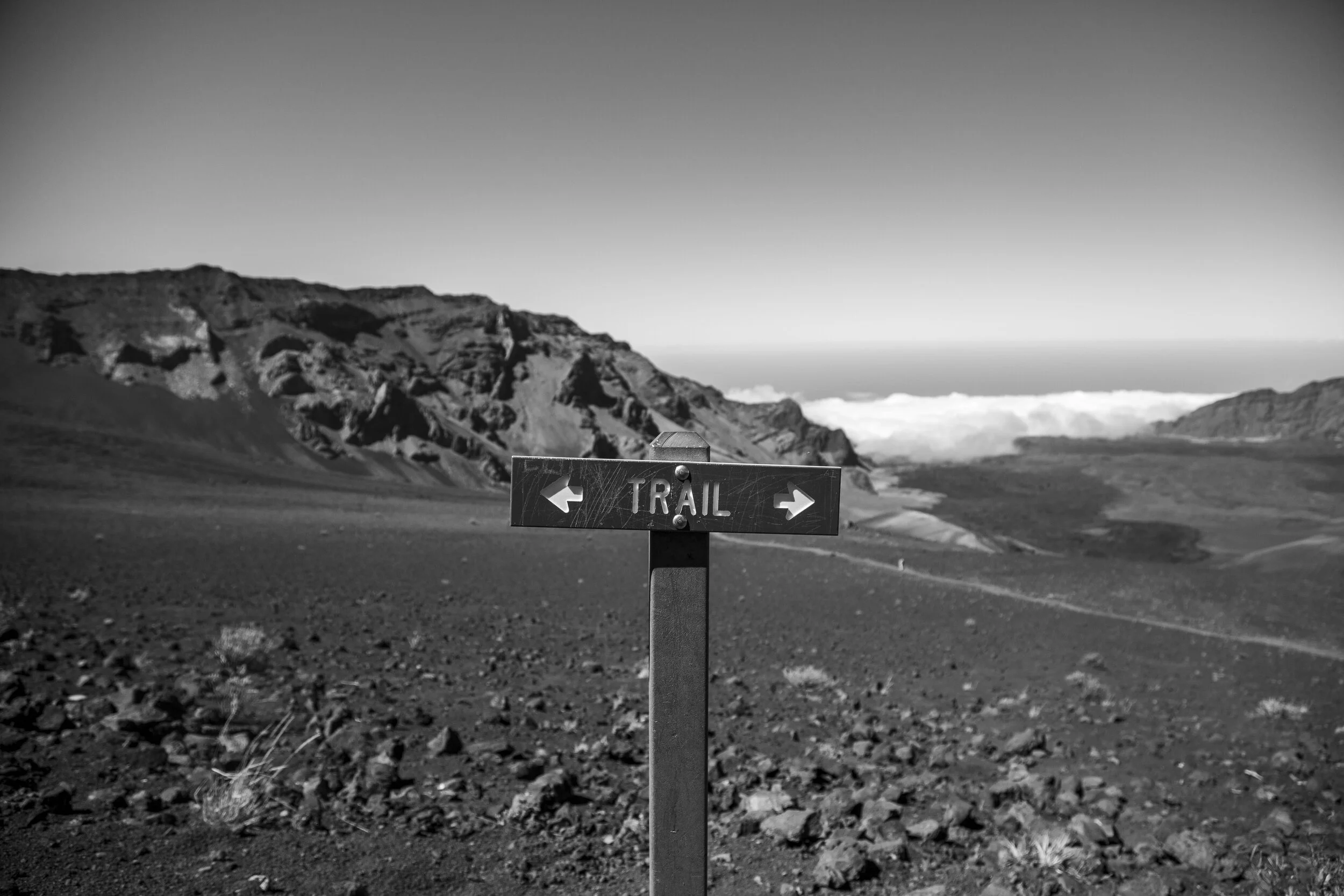
The hiking boots Keen wanted photos of are ideal for wet and/or dry conditions, so we’re here to test them on a hike into the schizophrenic weather of Maui’s Haleakalā crater. It can switch from freezing rain to sultry heat by the time you get your rain jacket out of the backpack. Haleakalā is sacred and should not be the backdrop for shoe ads. I know this because I’ve had this conversation with native friends who live on this island. Haleakalā is a place of worship, a place to reconnect with Gods, but I lost sight of that while trying to get a colorful adventure story funded. I am a classic colonizer, but I have a conscience. This shoot feels very wrong: like bubblegum pops echoing in a silent meditation, like squeezing an armpit fart in a mosque, or like taking selfies with strangers’ tombstones. 

Sera’s boots don’t fit. Shoes on these adventures rarely fit because they are sample sizes sent from the factory in China, Thailand, or some other part of the planet that doesn’t have strict laws in place to protect the environment and people who make them. These hiking boots don’t fit her ethics—even worse then they don’t fit her feet. Yet she keeps her cool and descends into the crater while sweat and blisters fill her socks.
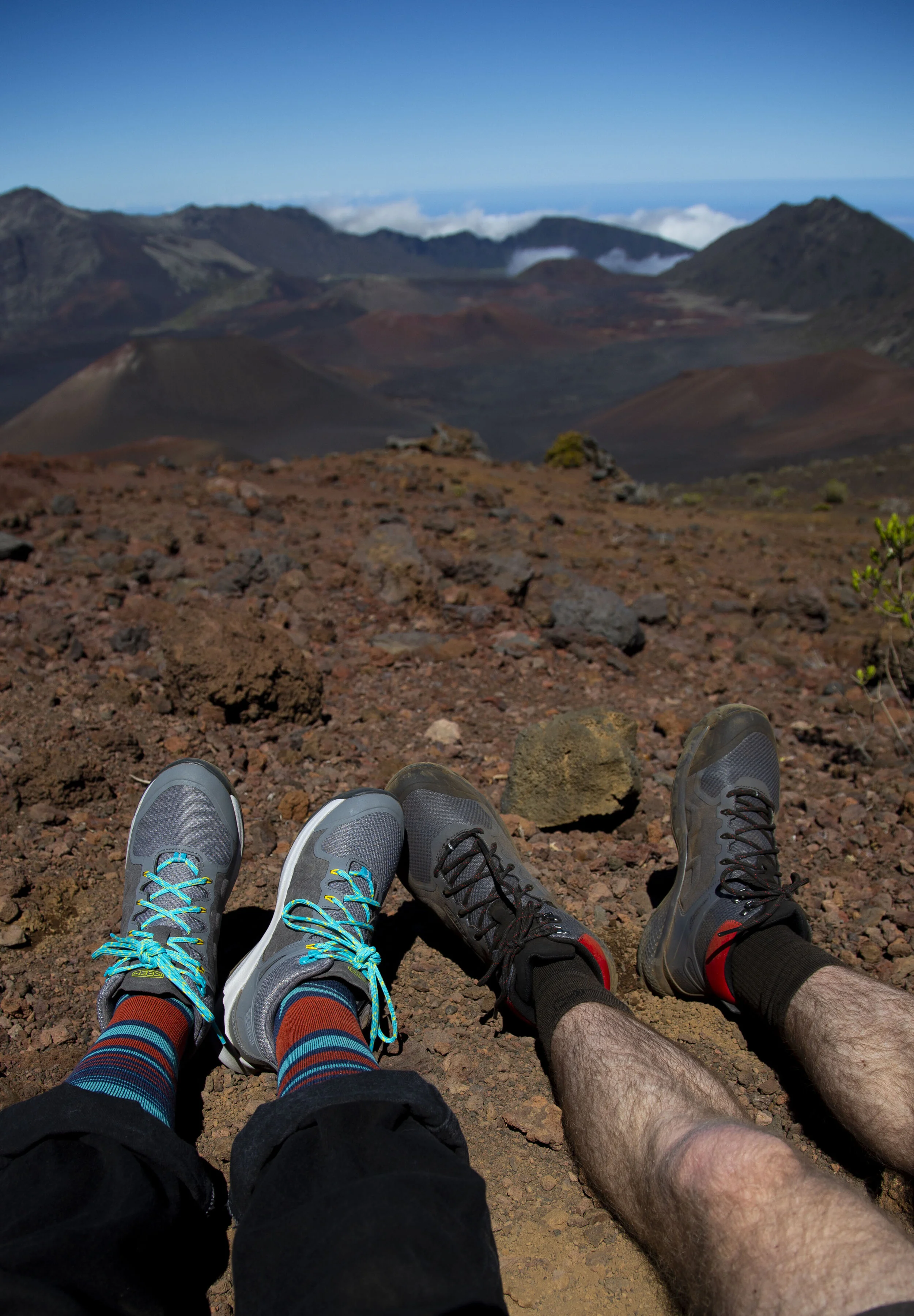
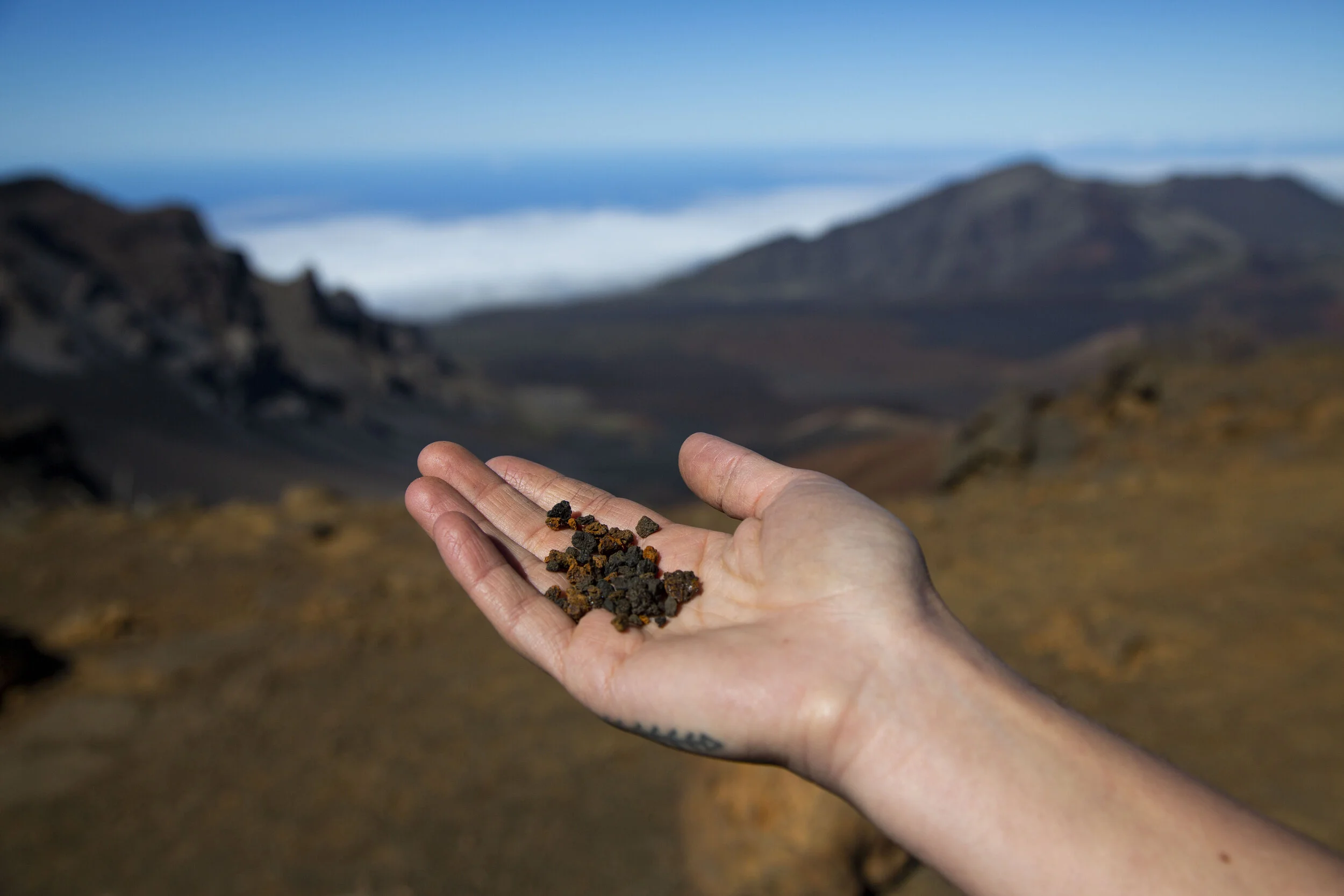
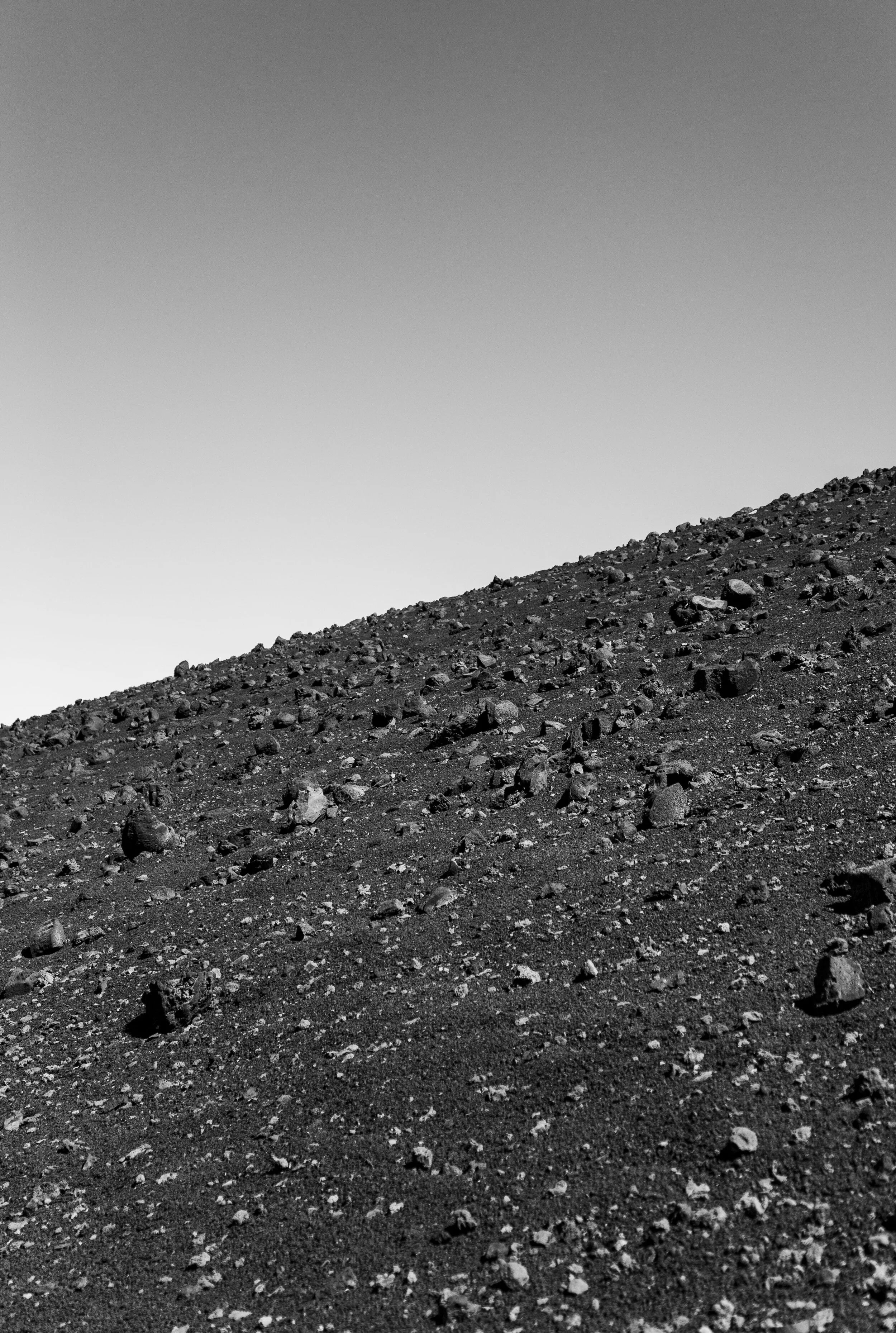
I hoped we would make it to the bottom of the crater and would wander around the cinder cones like astronauts on Mars. I even pitched this story to Keen as a Hike on Mars. Our tight boots don’t get us all the way into the crater. We sit down among the orange lava rock gravel to have a trail mix and local mango lunch. Sera talks about her love for the word melon-baller. It reminds me of my love for the word butthole. Two words bounced into one word then become something so familiar yet alien; mellonballerbutthole. None of these words should be spoken in this sacred silent crater. 

Haleakalā translates to the house of the sun. It’s the mountain top that the Hawaiian demigod Maui caught the sun with his mighty hook. He caught the sun to slow it down so people would have longer days. This day is long indeed. I’m not sure if we will make it back out of the crater before dark, but we do. By the time we make it down the mountain, through traffic, and meet up with the captain, the dark has caught us.
9C5A8064.JPG

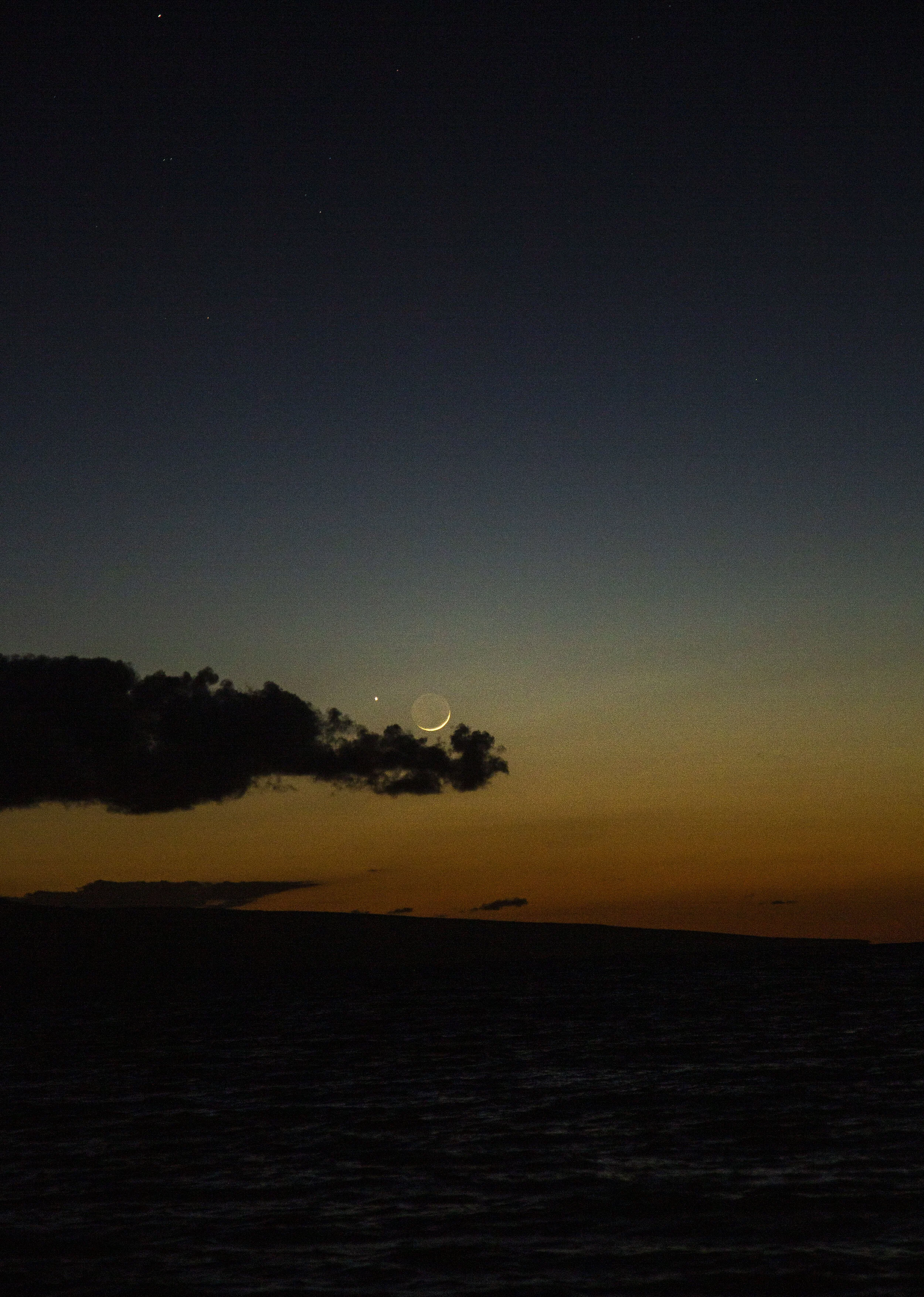
Stepping off dry land, into the dingy, and into the black glistening water, I remember a scary story about this cove. It was a night just like tonight. The moon was freaky, the air was warm, and a woman ran into the water the way lovers slam their juicy bodies together. She swam out to a school of dolphins playing out in the reef. She didn’t know dolphins sleep at night. The feeding frenzy of sharks shifted their attention from the turtle dinner to her. It was horrible and it happened right here.

With every wave, the dingy flirts with a capsize. I considered the Hawaiian shark god Ka-moho-aliʻi. He must have heard from the other gods at Haleakalā that we said mellonballerbutthole in the crater. We brought our haole boots to stomp around on sacred Earth. We do not deserve to be on this island. I’m ready to pay for my crimes. I accept my fate. I am going to be eaten alive by a shark.

Even as I write from the picnic table in my dining room in Portland, Oregon, I just know the sharks are circling. They are going to end me faster and more abruptly than I end this story. Maybe the sharks will come in the form of a lawsuit from Keen? Surely I’ve been half as disrespectful to that business as I have to Maui by simply writing my truth. The difference is though, bad press is still press, and press is advertising. Tonight, your dreaming brain might think of Keen and Maui and subconsciously you will connect with the brand and be more likely to buy their hiking boots.

Maybe this story will brainwash you into buying boots, but what I really want your brain to remember is that we used Maui as a backdrop to help the rich get richer. Right now native people are getting arrested on the big island of Hawai’i on Mauna Kea because they are protesting the use and abuse of their sacred land. We need to respect Hawai’i and its people. This is their home, not an exotic location to colonize with our own dreams of making cool ad-like content.

When I create branded content I’m diving into sharky waters. I agreed to make this story happen in less than a week while I also produced three other adventure stories for Keen with a small budget and even smaller timeline. Once the trips ended and we were all back at our computers, the photos and videos delivered to Keen were not #authentic or #quirky enough. They asked for a 50 percent discount. I begged to retain 75 percent to cover the cost of making these stories. The sharks sank their teeth in and I barely made it out of the water alive.

In the following weeks, the naked captain texted me photos of broken ships he just bought and was going to turn into underwater hideouts. I’d like to stay in those sunken ships when they’re ready. Maybe stay up all night talking with Sera. Getting to know her in the dark again. Without any shoes.
000018760010.jpg

Borneo, Not Bali

Stay Wild

Going Beyond the Reach of Bali’s Scooter-Choked Streets and Spiritual Journeymen.
Story by Madeline Weinfield // @madolionw

DSC_0941.jpg

Like so many others before me, I came to Bali with a mind full of promises. I could almost smell the frangipani trees as I leap-frogged from New York to Tokyo to Jakarta and then by skipper plane to Bali. But upon landing in Bali—the first day of my three-week trip—I was diagnosed with pneumonia. I shivered while my boyfriend swam in an infinity pool perched high in the jungle before falling asleep for 48 hours in a cold, cave-like guest house, waking once to eat a plate of nasi goreng. Less Eat, Pray, Love, I was on the journey of Sleep, Medicate, Survive

I tried to stay awake through an evening of mesmerizing gamelan music and traditional Balinese dance, ignoring a medicine-induced high and the relentless humidity. The Bali I had dreamt about was fuzzy, but not just from my sickness. Everywhere around me were party-ready people escaping their lives. Less spiritual retreat than high-octane party. Bali, with its over-developed, resort-heavy landscape was more like the Hamptons than the jungle, yet I had traveled so much further than three hours on the Long Island Rail Road to get here. Had I come around the world just to lie on a lumpy bed surrounded by holiday-mad Europeans, Australians, and worse, Americans? 

We had already altered our trip significantly due to my health. The infamous sulfur-dense Mount Rinjani remained unclimbed, and exploring Bali’s more remote rice fields was tabled for another trip. I hardly felt like doing anything, but I couldn’t let Indonesia pass me by. With just a few days left, we boarded a flight to Kalimantan, the infamous island home of Borneo, with the intention of sleeping on a rickety boat and trekking through the jungle in search of the country’s most sought after residents: orangutans. Maybe the jungle air would cure me.

DSC_0951.jpg

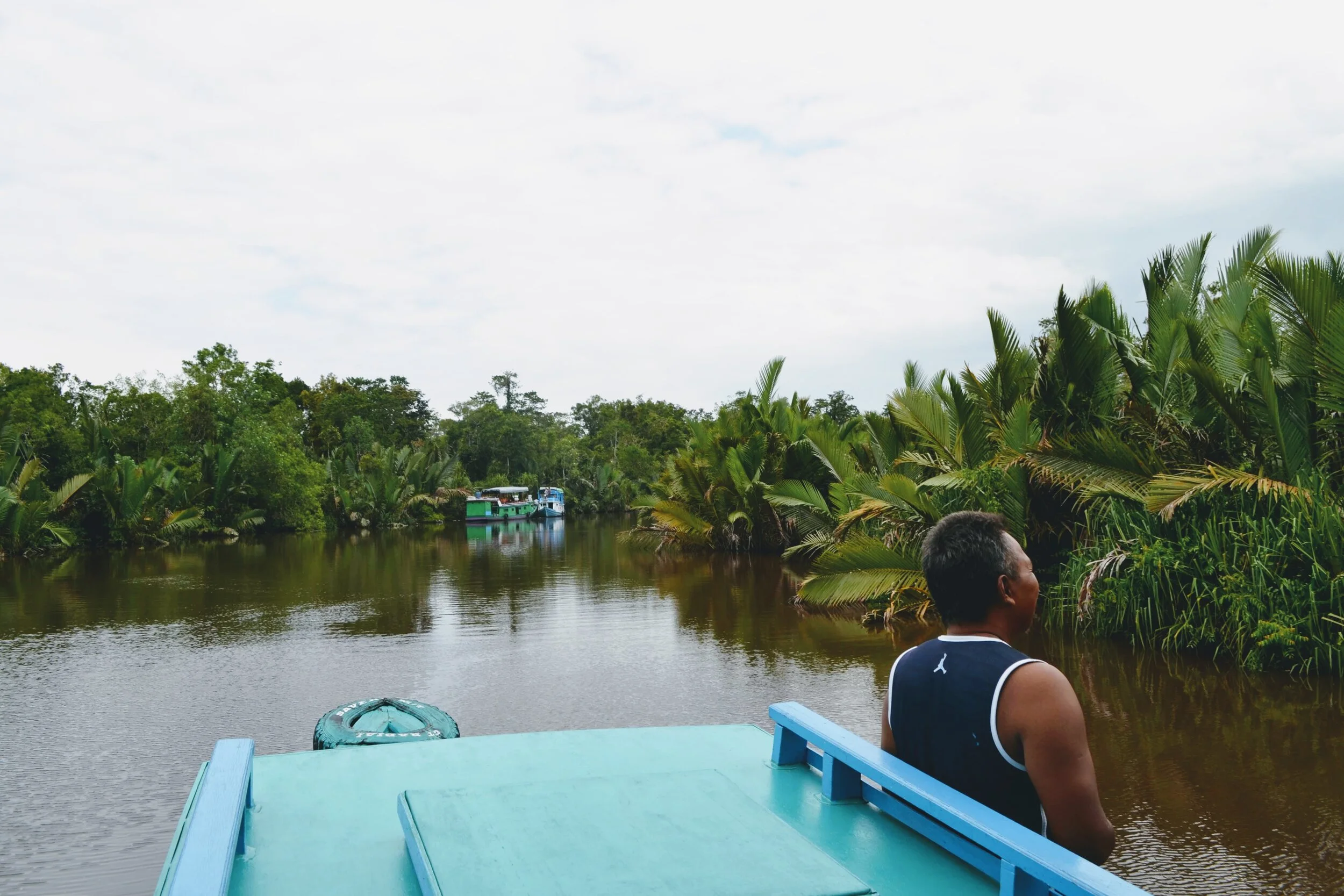
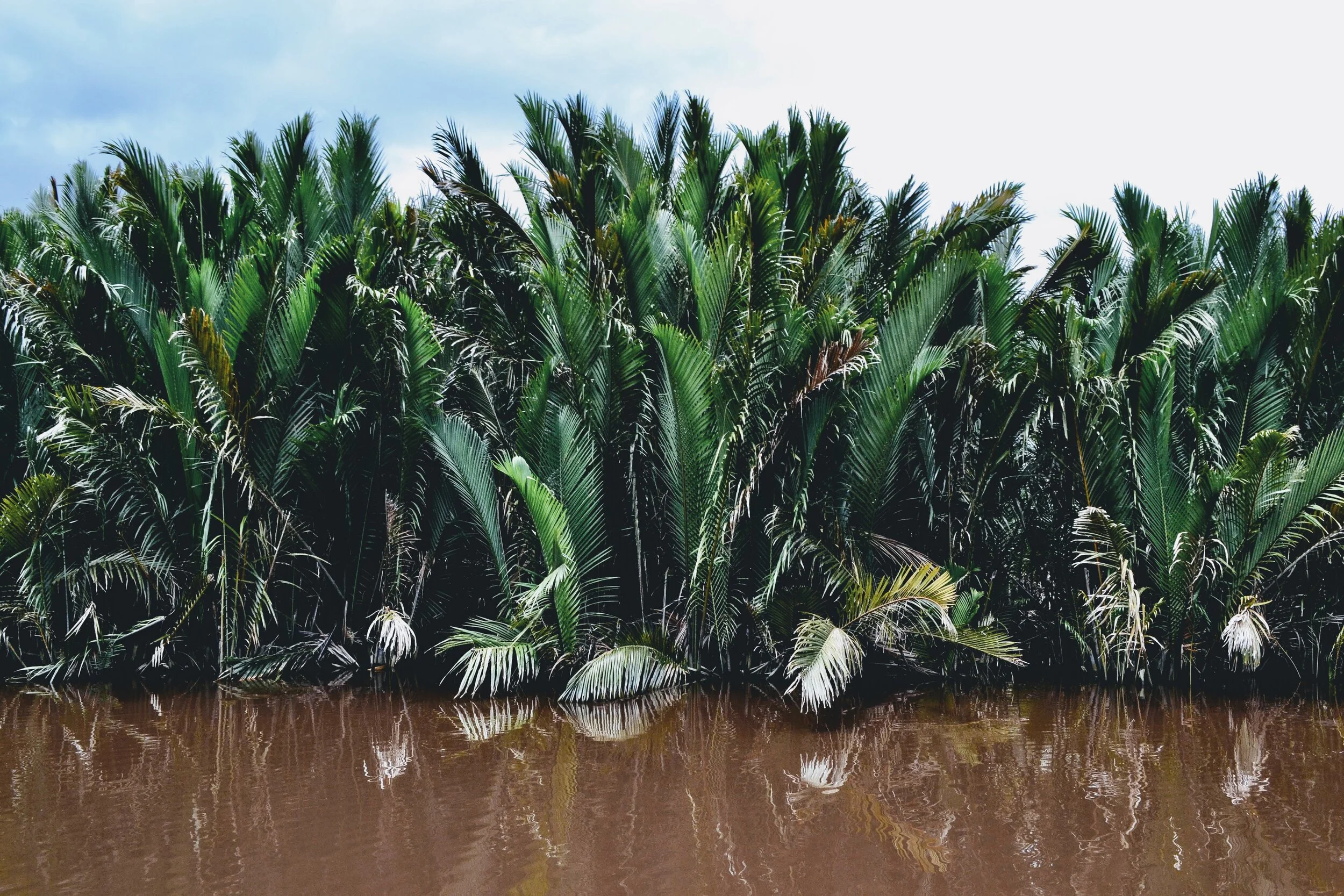
Beyond the reach of Bali’s scooter-choked streets and spiritual journeymen and women, and far outside the earthly calls of the Gili Islands and Lombok, everything started to look a little clearer. In Kalimantan, we were met by a small crew who would run the boat, cook our simple meals, and presumably prevent us from being bitten by deadly tarantulas. We sailed from Kumai, a village of tall concrete swallow coops that exist to feed China’s appetite for bird nest soup, into the heart of Borneo, a land existing precariously between the ravages of the world’s wants. Here the waterways are wide and polluted, the rainforest along the banks thin and sparse, the effects of human civilization clearly scarred into the banks. 

Borneo is a vast and complex web of depleting tropical rainforest, ever-growing palm oil plantations, illegal logging, and gold mining operations. Yet Borneo is also home to Tanjung Puting National Park—and in it one of the most significant orangutan sanctuaries on earth. Despite the significant odds working against it, Tanjung Puting thrives because of Camp Leaky, a research site established in 1971 by a Dr. Biruté Galdikas who, after years of studying the orangutans, dedicated a base of study to provide a permanent place for scientists, staff, students, and park rangers to study these remarkable, endangered creatures. Despite the work of Galdikas and all who pass through Camp Leaky, the orangutan sanctuary tilts on the perilous edge of fragility. Tanjung Puting is a registered national park, yet over 65 percent of the jungle forest has been depleted, ripped out, and hauled away, a percentage that is likely to grow due to the almost nonexistent regulation of the government.

DSC_0948.jpg

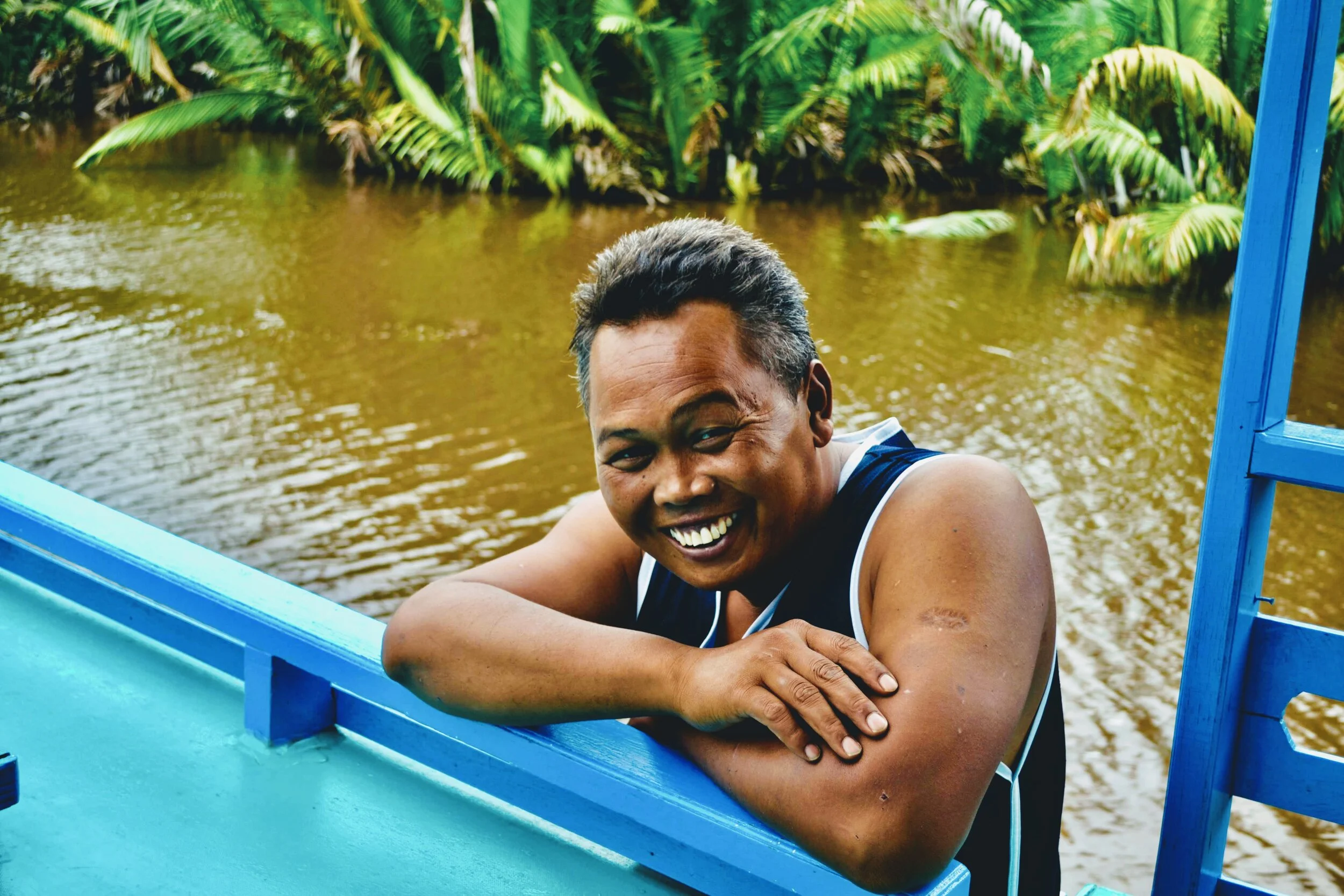
Our guide Jen Subaru is a legend on the water. He captains our small boat with authority, guides us through the jungle with expertise, and together with his brother uses whatever extra money he can to buy up the water-facing jungle in an effort to keep it standing for a few more years. For Jen and his fellow guides, this is their way of life, their livelihoods, their raison d’être. Many of the guides are ex-miners and former loggers, who, on the water, have found another life—a new life—and a new freedom. They casually go back and forth between English, Spanish, Italian, and French—the languages of their passengers—as well as the language of the rainforest, the most indecipherable of them all. They know the flap of the kingfisher, the swoosh of the swing of the gibbon monkey, the profile of each orangutan and their babies, and the call of the rare storm stork. 

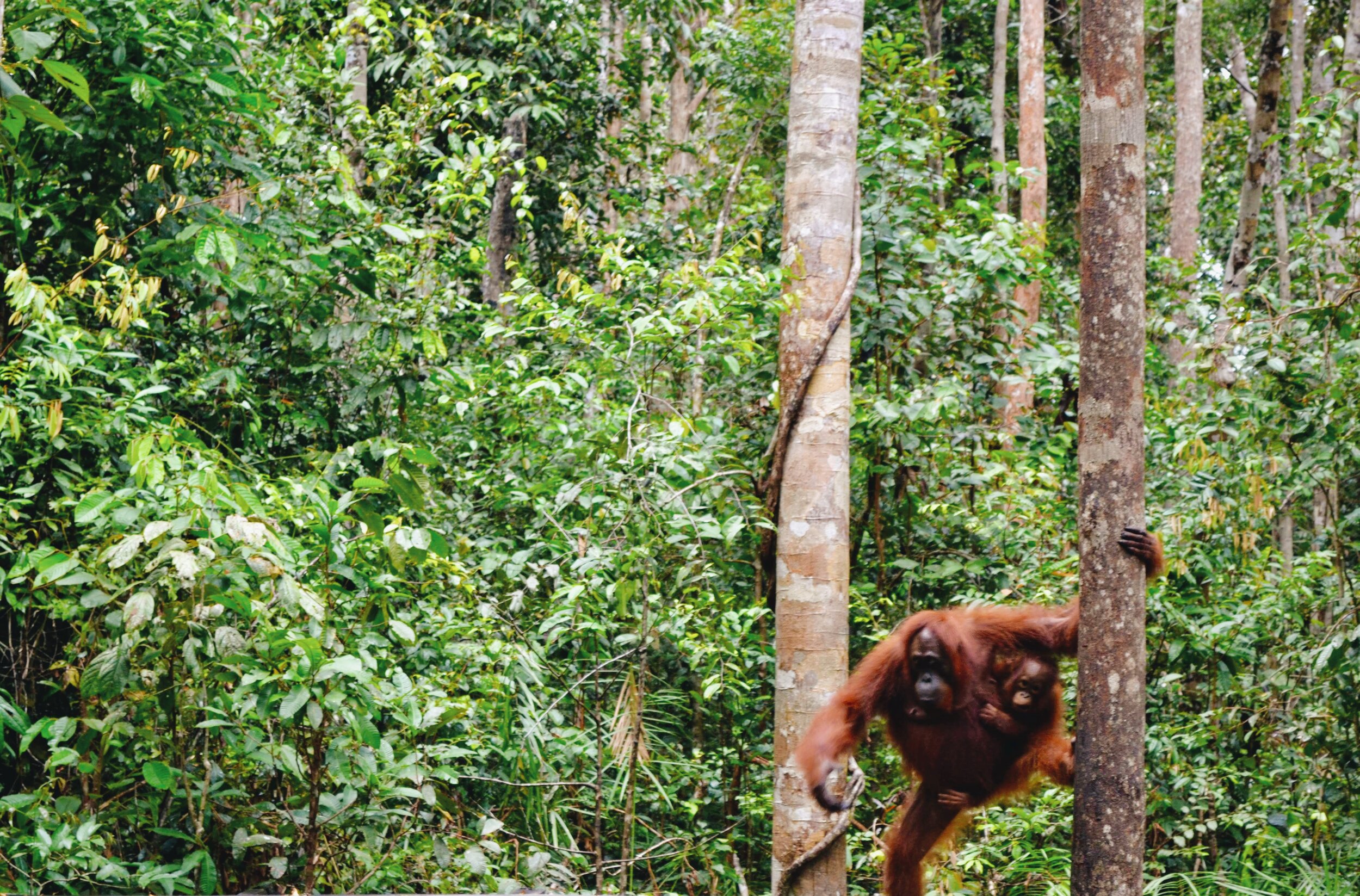
From the water the jungle bears the tell-tale sign of deforestation—it is strangely stunted and lets in the light of the rain-heavy sky. When we step off the boat to go into the forest, we find a largely unmarked jungle save for a few trails that the park rangers and scientists use to observe the orangutans. In an effort to keep the creatures fed and happy in the forest and to keep them from wandering outside their shrinking habitats, park rangers lay out huge swaths of bananas twice each day on feeding platforms in the forest. On a good day, when the forest is naturally full of vegetation, none of the orangutans might turn up, but in the dry season, they rely on it. But they’re there every day we are and it’s hard to imagine them ever thriving on their own. Feeding them is the only way to keep these creatures in the forest, the only way to ward against the risk of them wandering into a farmers field or gold miners land—a fate met more often than not with a single fatal shot.

DSC_0091.jpg

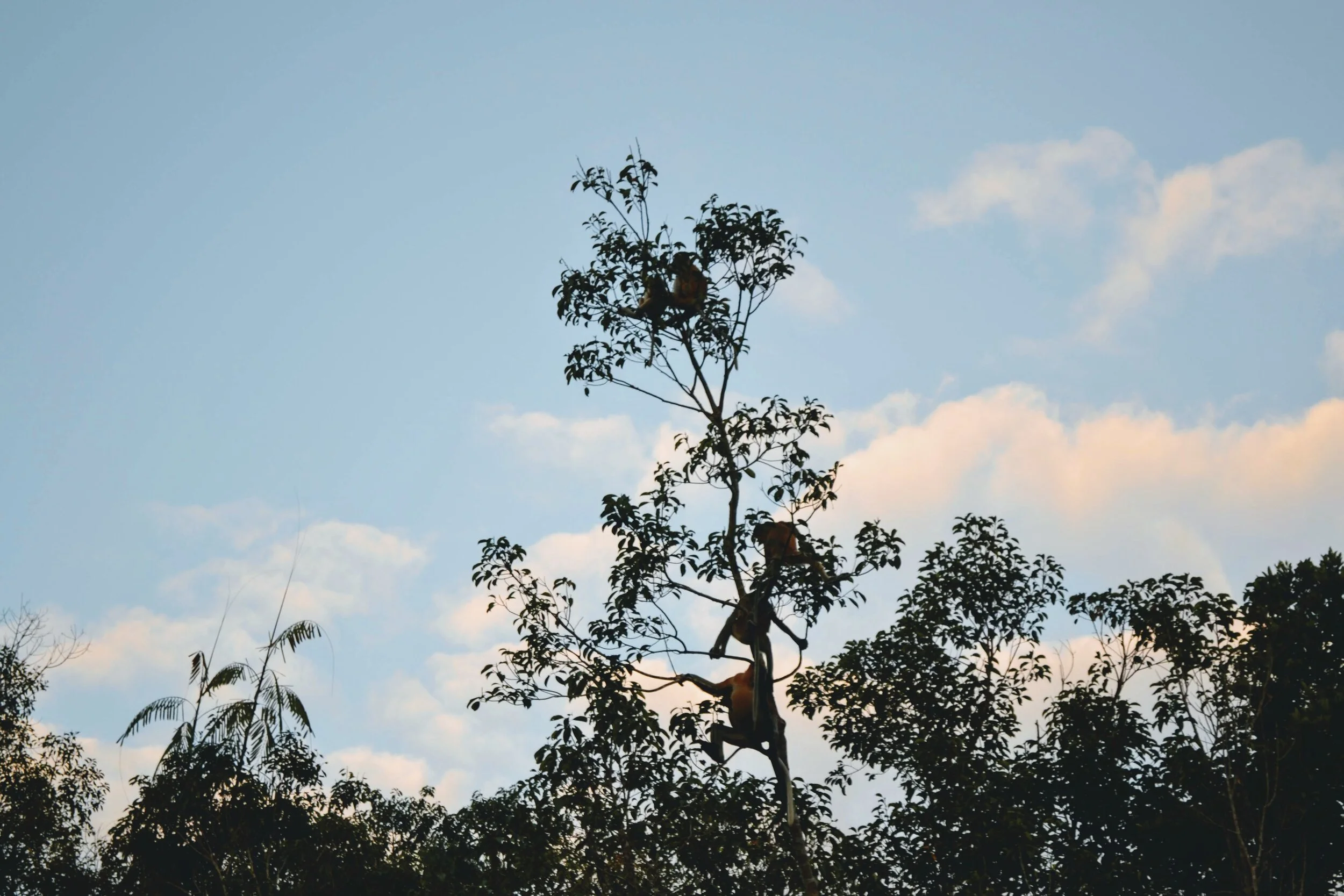
In the jungle are some of the earth’s largest wild creatures who shimmy down trees with the silent grace of ballerinas. Surrounding them are countless species of birds, monkeys, and reptiles. Primates in these woods are found nowhere else on earth. Yet there are also miners and farmers and desperate people plowing the land for their own money, survival, and greed. There’s also us, lying on sleeping mats trying the stay awake in the darkest night we’ve ever seen, thousands of fireflies glittering like the lights of the brightest Christmas tree—alive, vibrant, glowing despite it all. How naive to think I was immune to sickness, and how ridiculous to think I would find something remotely related to enlightenment in Bali, a place with wifi and cocktails and parties till dawn. It’s there in the darkness that the true meaning of travel and the understanding that comes with it seemed so full. 

When we’re done taking and taking and taking, will there be anything left to give?

For a moment this floating wilderness is just ours, not to be found, not to be touched, not to be destroyed. I try not to let my cough pierce through the silence. Bali didn’t change me, but Borneo did. 

DSC_0038.jpg

Arizona Trippers

Stay Wild

Transformed by the Past

Story and photos by Laura Goldenberger @lauragoldenberger and Kayla Ramirez @kaylalilli

Laura Goldenberger Stay Wild_-11.jpg

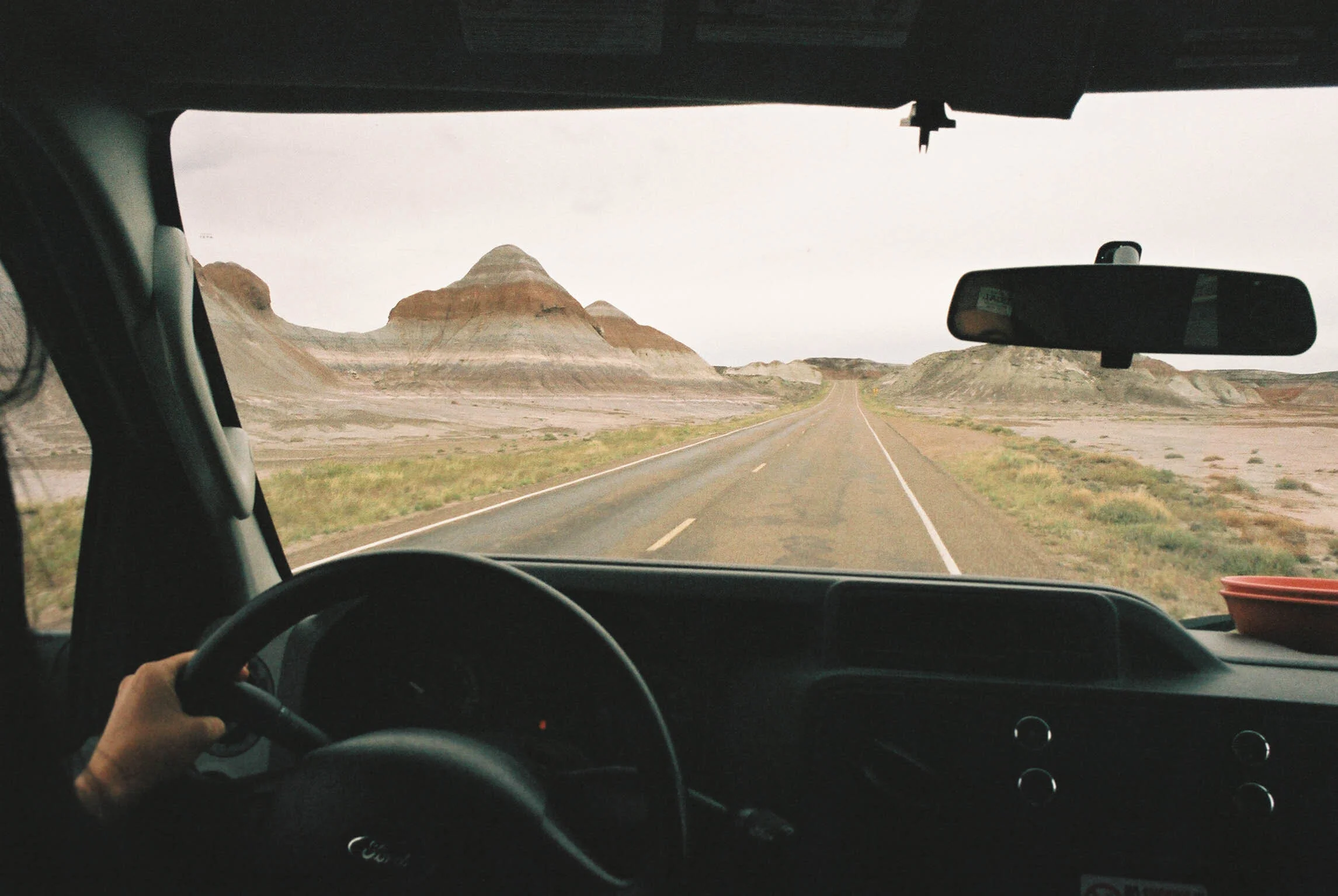
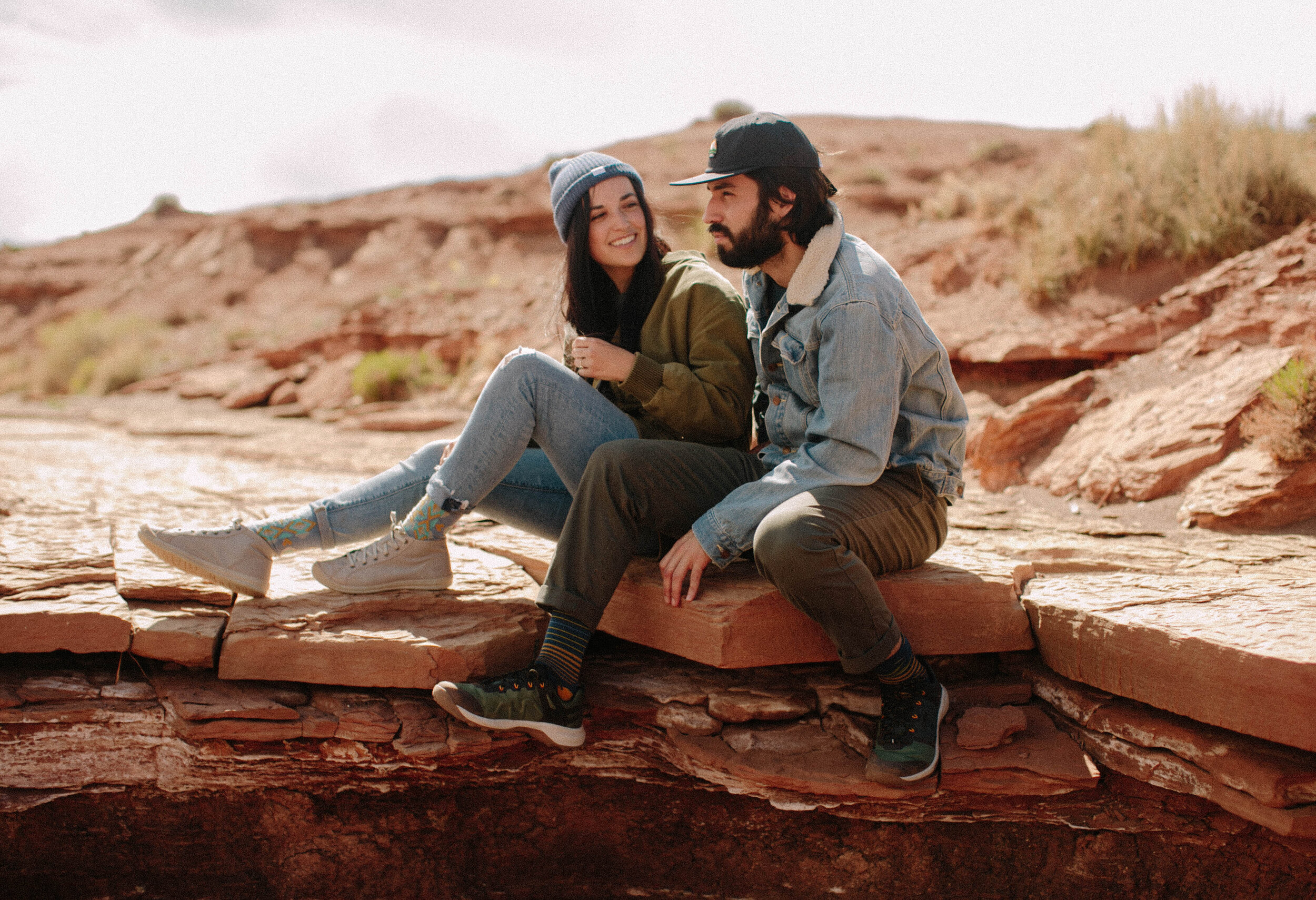
We left Los Angeles in the afternoon and drove south, breathing a sigh of relief as we hit the long stretch of highway to Arizona, watching the city fade away in the rearview of our van. The feeling of the American Southwest always hits us right in the soul; maybe it’s the pastel colors stretching as far as the eye can see, or the way the horizon melts into the sky at dusk. We were happy to be back on the road. The Three Amigos, our little ragtag fam on yet another adventure. Two traveling photographer cousins and Adrian the skilled chef and knife maker—we make a good team. 

IMG6005-R01-020.jpg

We found our way to our first stop, South Yavapai County, across Navajo land, down the winding dusty roads of the Verde Valley to the bluff that looks over Beaver Creek river basin where Montezuma Castle lies. Someone was playing a Native flute in the distance as we wandered down the quiet trail, making us feel transported to a time long ago. We looked up at the well preserved homestead carved high into the cliff for a while—a relic from the once-thriving hunter gathering Sinagua People. No one knows why the Sinaguan left, but many believe it was due to overpopulation and the depletion of resources. Just as we lifted our cameras to take another photo, a herd of selfie-taking tourists arrived, signaling us that it was time to head out. 

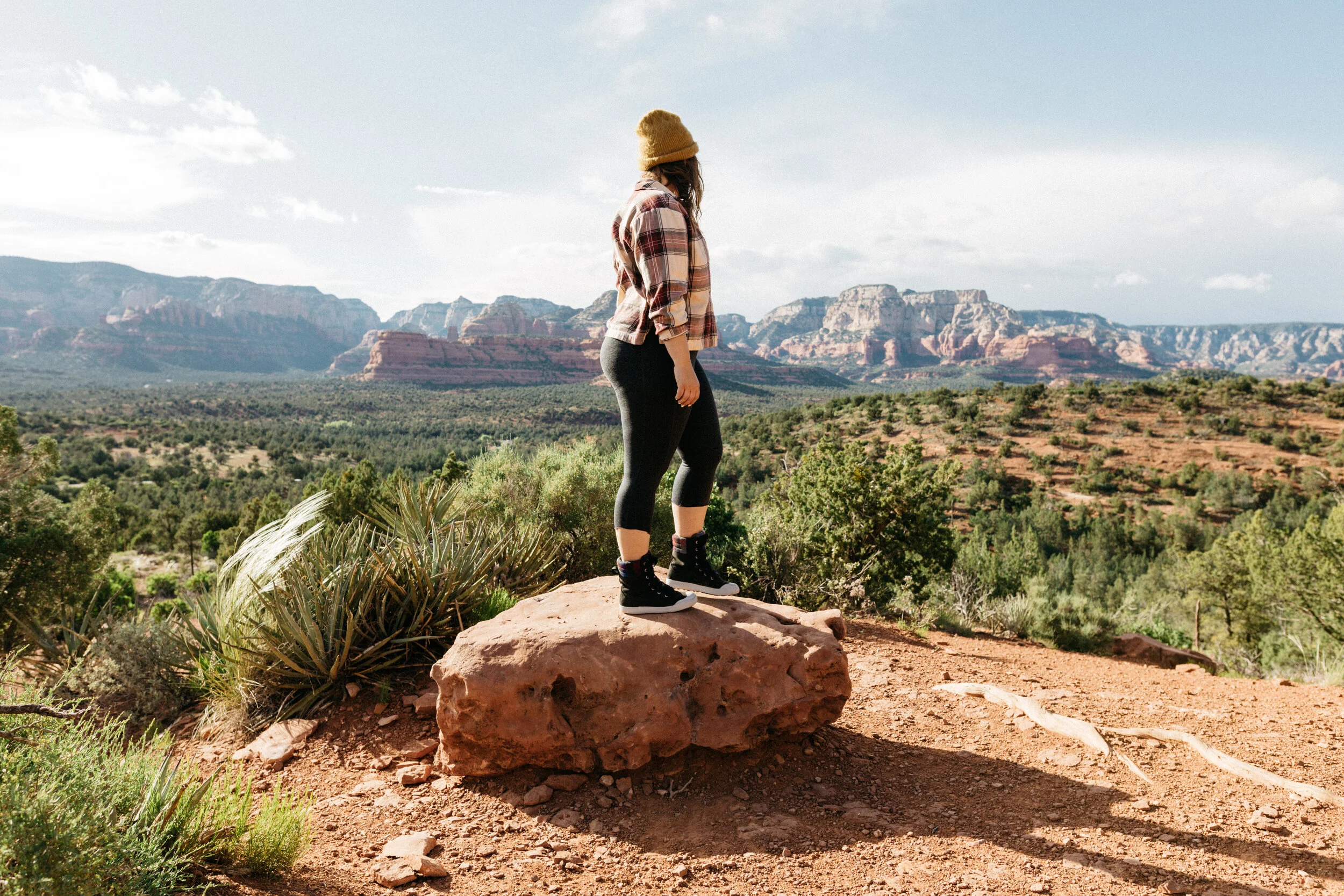
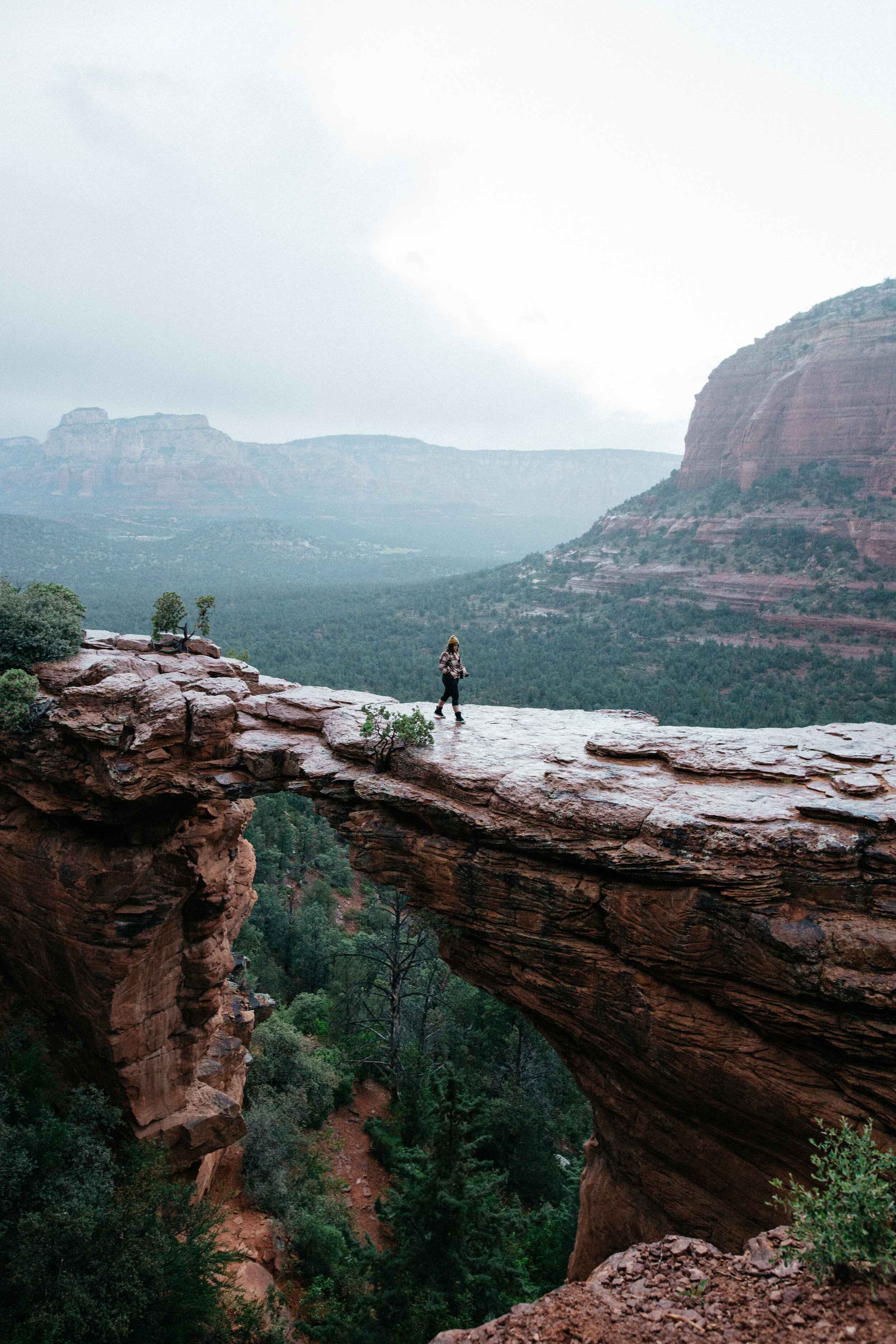
The rest of the day was spent exploring Sedona, and we saved our hike to Devil’s Bridge for last. It’s only 4.2 miles round trip and we had our fingers crossed for a good sunset. We pulled up to the trailhead in the van, grabbed our packs, and hit the dirt. We were in awe of the stunning beauty in every direction, stopping every few minutes to shoot photos and videos. Time seemed to stand still in the evening glow, but a big, dark cloud grew in the horizon and we realized we were cutting it close to not only sunset but a potential storm approaching. We picked up the pace on the now-empty trail. Little drops of rain started to hit our faces as the sun dipped beneath the mountains. We considered turning back but we pressed on, a little high off a good challenge. When we finally reached the bridge, we were out of breath from the hustle up and tried to protect our cameras from the sudden onslaught of pouring rain. Despite all this, to be the only souls at such an iconic location was a treasure. With the solitude enhancing the striking scene, we sat in silence and then let out wolf howls at the top of our lungs. We had earned the moment and let ourselves have it. Soon we were reluctantly pulled away by good sense. It was nearly dark by then and we were already cold and wet. Carefully, we maneuvered the slick rocks and started a jog back. It was pitch black when we made it back to the van and we were relieved to put on dry clothes. Over a round of beers and questionable dive bar grub, we celebrated our small victory and made fun of ourselves for cutting it so close. Another favorite memory for us to share together, a future old story. Our fathers raised us with wild tales of their adventures together. Maybe that is why we didn’t turn back.

Laura Goldenberger Stay Wild_-249.jpg

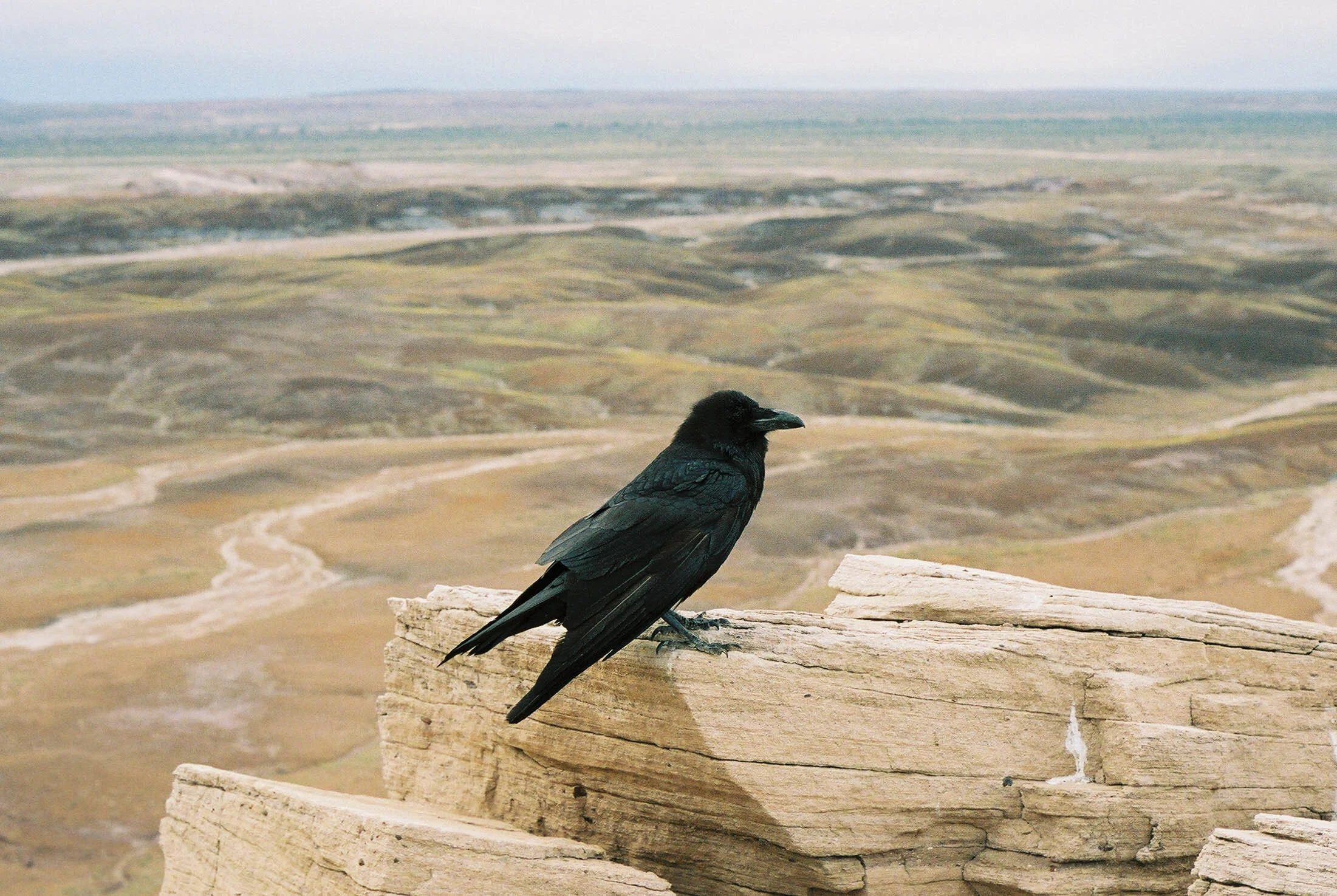
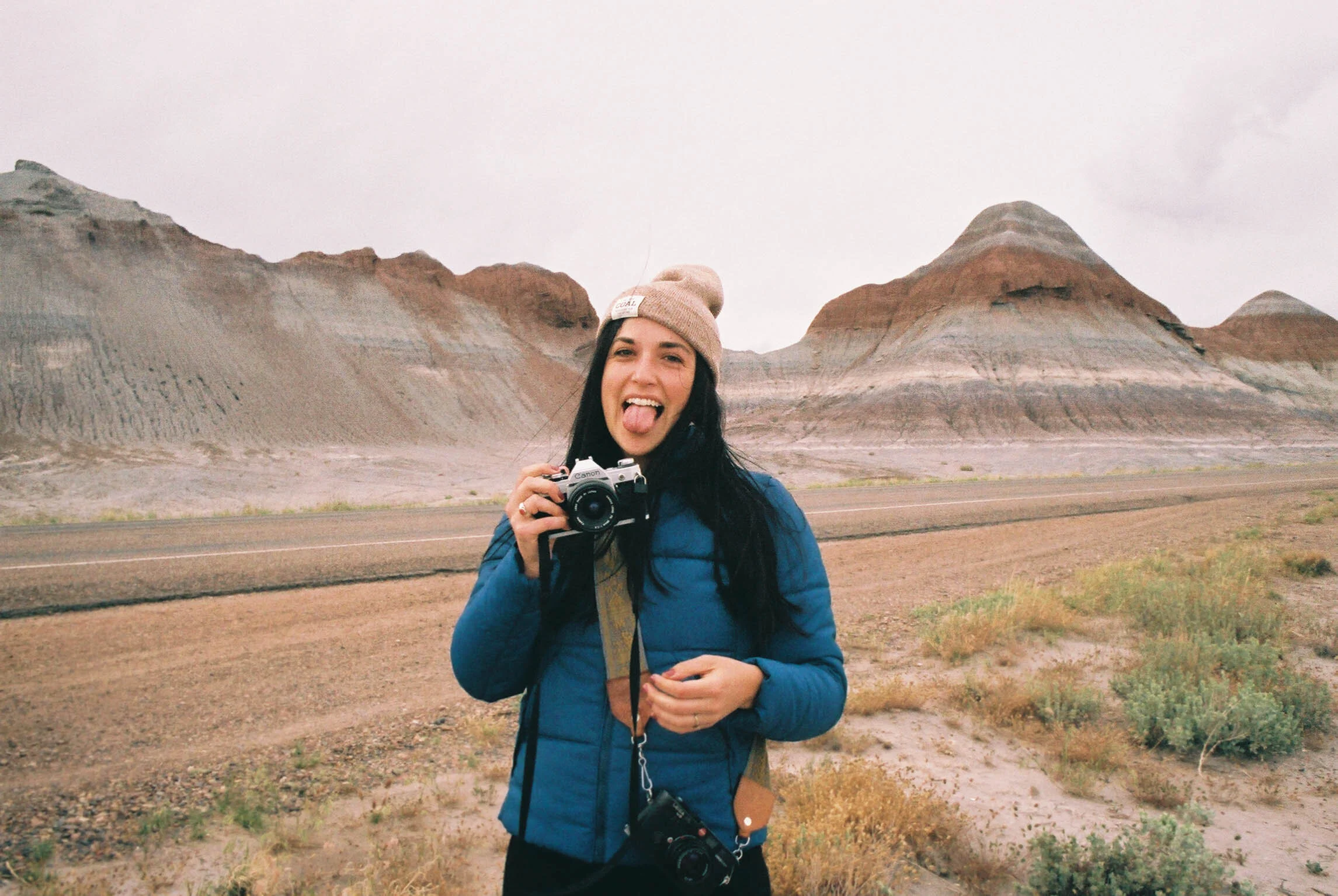
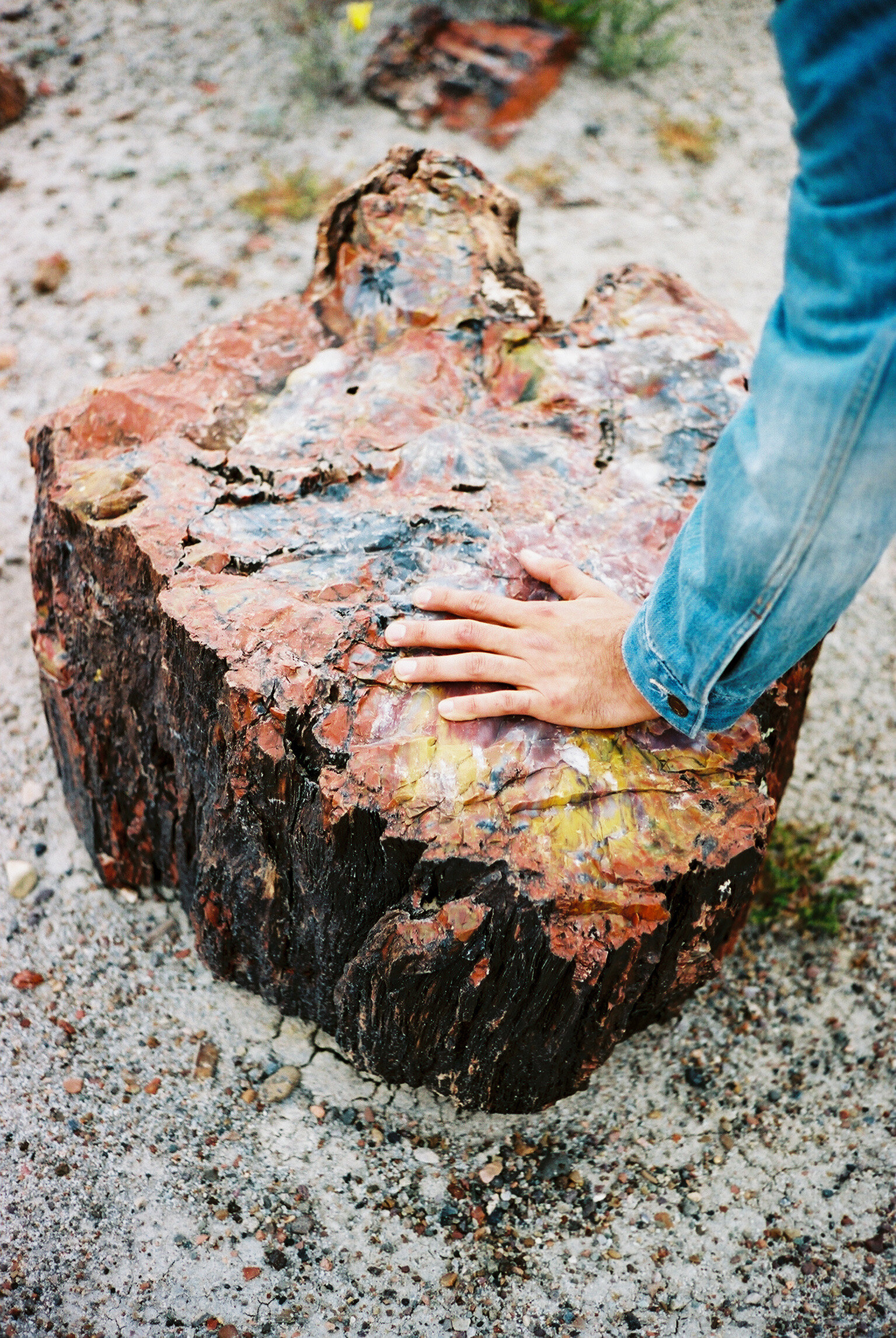
It was biting cold when we reached our next stop after a solid night’s sleep in the van: the Petrified Forest National Park. Wind was howling across the high desert prairie as we found ourselves in a strange and mystical land called the Crystal Forest, a stark landscape dotted with thousands of technicolor petrified logs that once held amethyst and quartz crystals, surrounded by deep blue badlands. We tried to imagine the many centuries of people who have also marveled at this strange place—pioneer homesteaders, Navajo and Apache alike. We traced our fingers along the smooth, ancient fossilized trees and ran around the dreamlike landscape of the Blue Mesa like wild animals until we were kicked out by park rangers at closing time. 

Laura Goldenberger Stay Wild_-2.jpg

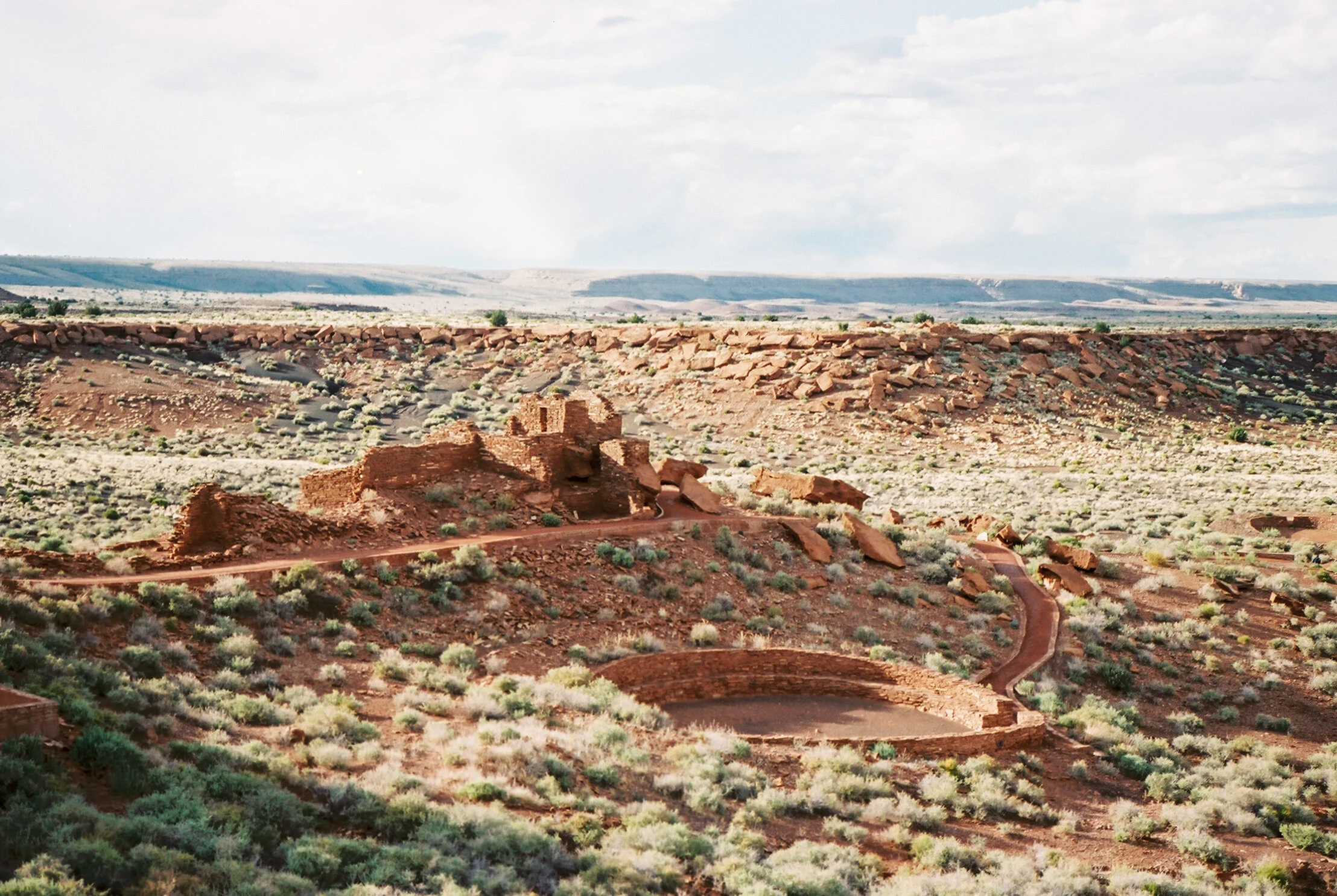
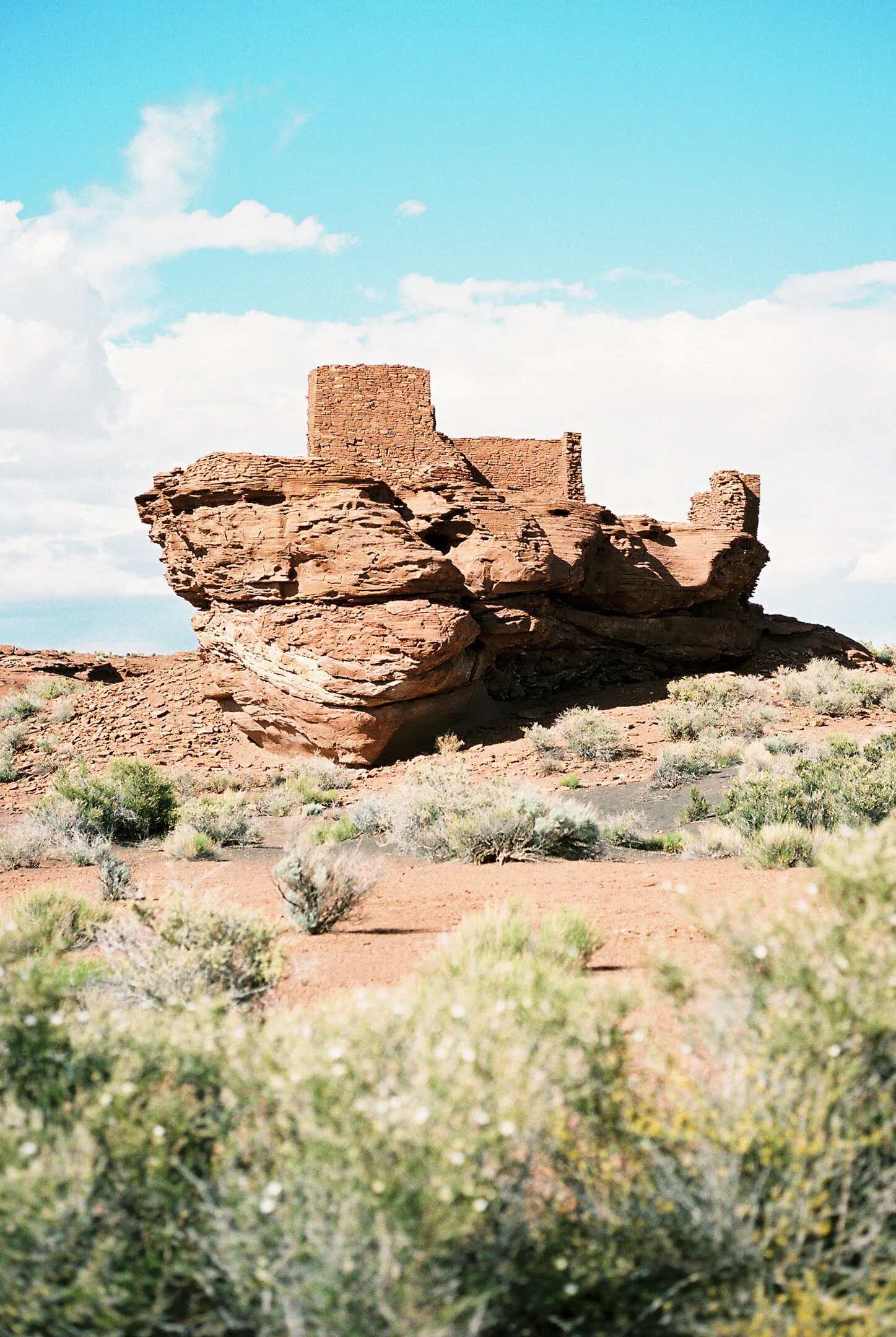
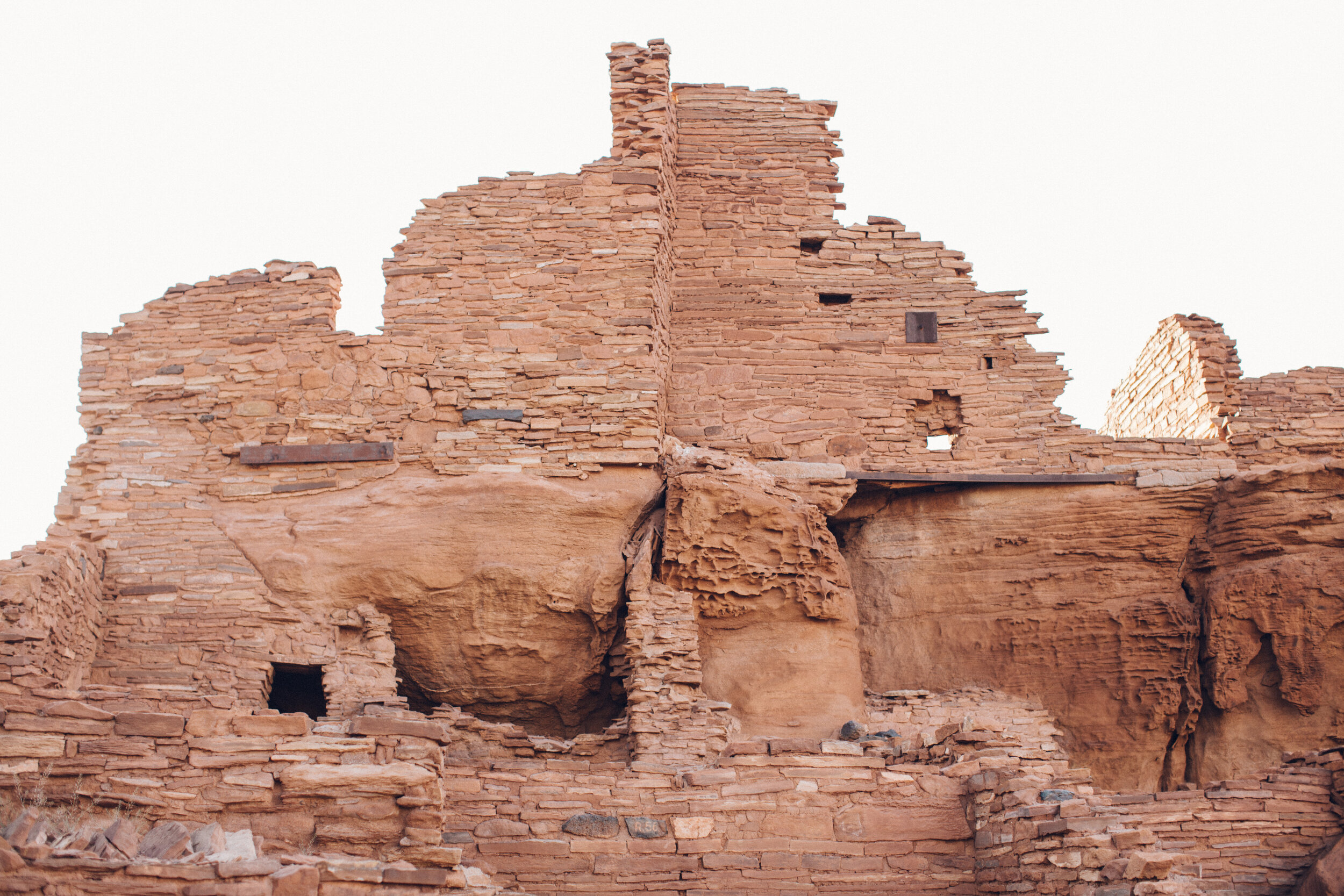
Our last day was one for the books. The Wukoki Pueblo caught our eye in the distance as we rolled into Wupatki National Monument. The pueblo is reminiscent of castle ruins, built on top of elevated sandstone, towering above vast prairie land. We wandered in and explored the roofless dwelling, ducking through the short doorways that led to a room with tall walls and a small window. We laid our backs on the cool, dirt floor and looked up towards the moon that was now visible against the blue sky. In the quiet of that moment, we could hear birds singing and wind whipping through the little window as rain clouds moved towards us in the distance. Maybe that electric feeling was just as it had been long ago—connecting us to the past, but everything else had changed. 

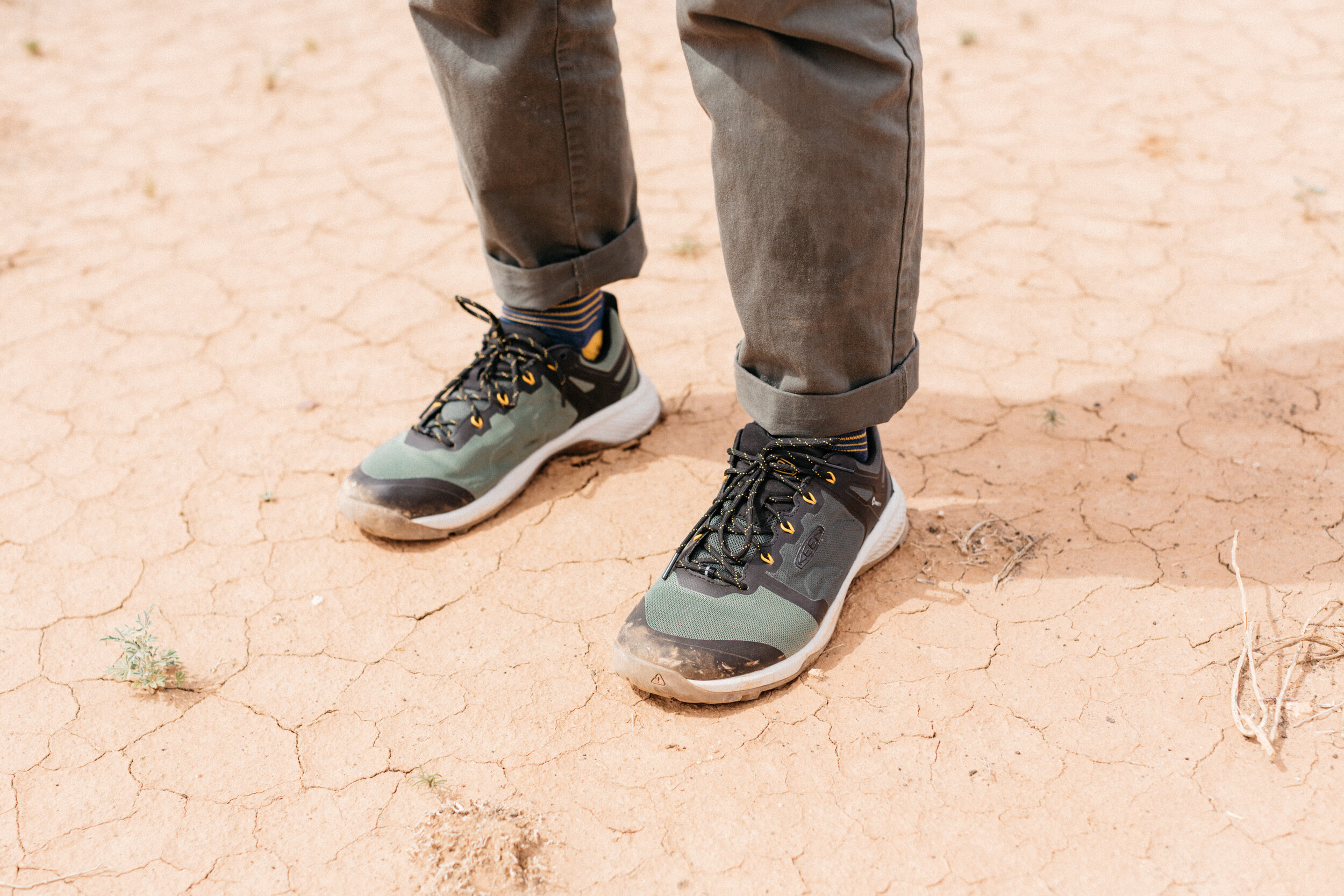
Perhaps the room used to be someone’s bedroom and they looked out that same window, saw the same unchanging prairie with the same sensation of wind on their face and a growing storm in the air. Now there were three strangers in their home, taking pictures for a shoe company and a magazine. Photos destined for social media and hashtags. Life is strange. We weren’t sure how to feel. We took our time appreciating the pueblo and wondered about the lives of the people of Wukoki. When the rain finally reached us again, we headed back to the van in thoughtful silence. We ended the trip the best way we knew how—with an extra large pizza box on our laps, blaring Zeppelin as we headed back to the city, this time with a few more stories to tell.

Life is in constant flux. It ebbs and it flows, but one thing for sure is that preservation is a practice. Without it, we wouldn’t have protected landscapes to renew our connection to these reminders of life in the past. Reminders that reveal a delicate balance of the fragility and resilience of life. Today, society is built on convenience no matter the cost. We consume, we pollute, and we lose touch with nature, humanity, and the lessons we can learn from those before us. Throughout the trip, we found ourselves leaving our phones in the van, wanting to disconnect from modern day life. Each sacred place we visited reminded us to slow down and remember to have reverence for this earth and life itself. 

Our return to L.A. was met with traffic, smog, and the usual chaotic energy of the city. Our renewed perspectives and peaceful moods were quickly challenged, reminding us that creating balance in our modern world will only happen with intention and a collective awareness. 

Laura Goldenberger Stay Wild_-195.jpg

This adventure was made with help from Keen // keenfootwear.com

The Fire’s All Around Us

Stay Wild

A Smokey Love Story

Story by Rose Thomas

Artwork by David Antonio Perezcassar // @dave_draws

Fires_All_Around_Us.jpg

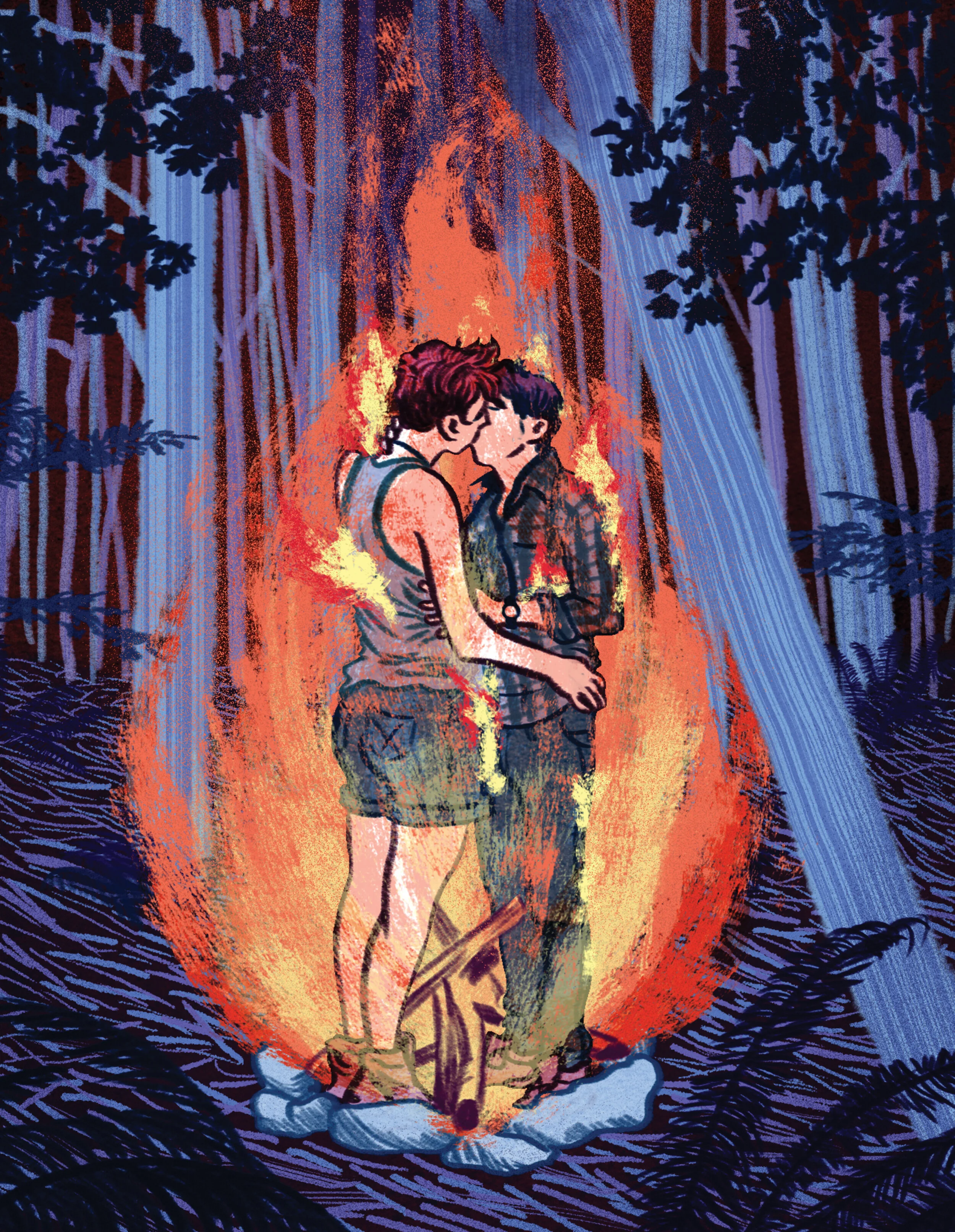
Somehow you found the last fire lookout tower available in all of the western United States, if not the world. So we went. Drove from Portland to Montana and back over a three-day weekend. Of course the AC went out. And we had to bring your big dopey, ferocious dog Bear with us. Oh, and there was the fact that we had to go in secret. 

First we stayed in a tiny cabin in Coeur d’Alene, Idaho. At Safeway, I managed to spend $200 on cheese and hummus and crackers and fruit and wine. Only to find out you didn’t like picnics. And then in the hot summer sun on our next stint of driving, it all went bad in the cooler. Then we stayed in a teepee run by a french man named Jacques. In the teepee, we slept in individual cots that we pulled together as close as we could. We got drunk on our red wine and whispered stories in the light of the lantern, and cursed our separate beds. Along the way we stopped at Glacier National Park, which was stunning—“Glacier National Park’s got nothing on you, baby,” you said, but sadly forest fires obscured most of the views and Bear wasn’t allowed on the trails. 

Our final stop was the lookout tower. We got lost on the way there. I remained skeptical we’d ever find it, until you did. The view was smoky but beautiful. You threw a plastic mattress down from the tower to the ground below and we fucked on it in the open air, the sun on our skin, like wild animals. We set up shop on the top of our very own mountain and enjoyed the view, which was growing more and more smoky. But we didn’t care—we were finally alone, together. We watched the sun set from the balcony of the tower. We took pictures, embraced. 

As night closed in we turned on the solar-powered lanterns I had brought and you put on a Spotify playlist of love songs. We made love on the sleeping bag as Prince came through the speaker—”Purple Rain.” For dinner, we only had crisps and chocolate. So we sat on a bare mattress and ate our junk food to our hearts’ content. I don’t remember what we talked about. Probably were in amazement of our love, how far we’d come and all that there was to experience yet. We were like kids then. So fucking innocent in our sin. Thought we had felt pain, but so much pain was still to come. But in that moment it was absolutely perfect. The saddest dinner was the most romantic either of us had ever had. 

In the background, the fires grew closer. We were actually watching fire in the distance from the fire lookout tower. We called the hotline every so often to check the danger of our zone. Googled how fast fire moves. I wasn’t once scared. I put my trust completely in your hands. Before we went to sleep you decided to set an alarm for every two hours. 

At 2:00 a.m. the alarm went off. I sat up, groggy. You were already standing. I looked up at you and then all around us. Smoke surrounded the lookout tower. “Let’s go,” you said. We gathered what we had brought quickly without speaking. Then we were in the truck driving as fast as we could on the rough dirt road. The fires followed us in Idaho, and when we were finally back to Portland, we just made it before they closed the highway to the Eagle Creek fire. 

I spent most of that trip sweaty with my hair smelling like smoke and my eyes burning. It seemed that something managed to go wrong at every turn. But when I look back now, it’s not what I remember. That trip with anyone else would have been a disaster, but with you it was an adventure to be by your side. It’s amazing what love can do to transform your perspective. I will always remember what a blast we had—despite the fire in our wake.