Hello

We're chin deep in the work of getting this magazine ready to share, if you want to get involved contact us with the form on the right (if you like forms).

If you're into contributing pictures, video, music, words, secret maps, and that kind of creative adventure stuff email: [email protected]

If you're into booking ads, making ad-like content, setting up meetings, and that sort of stuff email: [email protected]


123 Street Avenue, City Town, 99999

(123) 555-6789

[email protected]


You can set your address, phone number, email and site description in the settings tab.
Link to read me page with more information.

News

The Fire’s All Around Us

Stay Wild
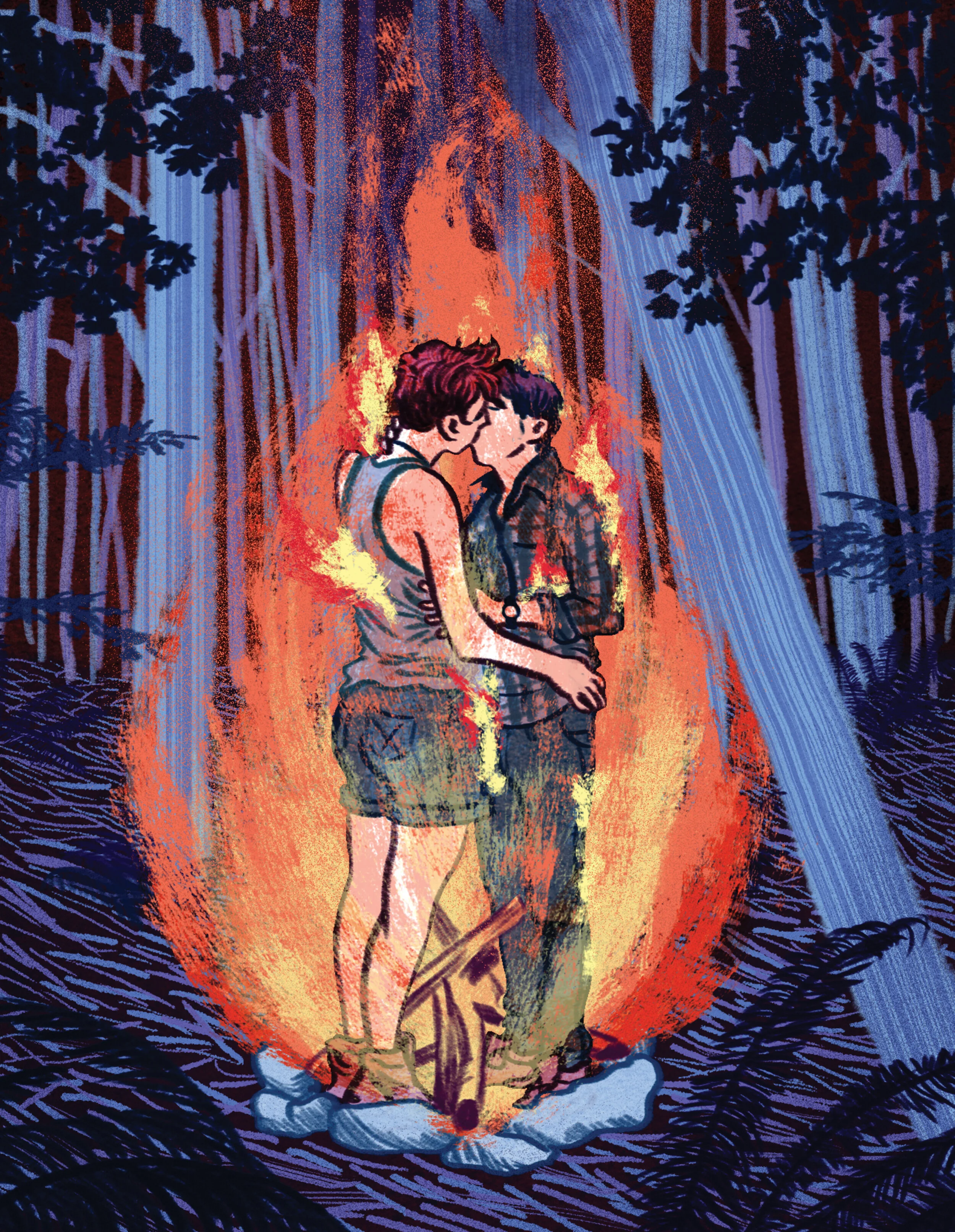
A Smokey Love Story

Story by Rose Thomas

Artwork by David Antonio Perezcassar // @dave_draws

Fires_All_Around_Us.jpg

Somehow you found the last fire lookout tower available in all of the western United States, if not the world. So we went. Drove from Portland to Montana and back over a three-day weekend. Of course the AC went out. And we had to bring your big dopey, ferocious dog Bear with us. Oh, and there was the fact that we had to go in secret. 

First we stayed in a tiny cabin in Coeur d’Alene, Idaho. At Safeway, I managed to spend $200 on cheese and hummus and crackers and fruit and wine. Only to find out you didn’t like picnics. And then in the hot summer sun on our next stint of driving, it all went bad in the cooler. Then we stayed in a teepee run by a french man named Jacques. In the teepee, we slept in individual cots that we pulled together as close as we could. We got drunk on our red wine and whispered stories in the light of the lantern, and cursed our separate beds. Along the way we stopped at Glacier National Park, which was stunning—“Glacier National Park’s got nothing on you, baby,” you said, but sadly forest fires obscured most of the views and Bear wasn’t allowed on the trails. 

Our final stop was the lookout tower. We got lost on the way there. I remained skeptical we’d ever find it, until you did. The view was smoky but beautiful. You threw a plastic mattress down from the tower to the ground below and we fucked on it in the open air, the sun on our skin, like wild animals. We set up shop on the top of our very own mountain and enjoyed the view, which was growing more and more smoky. But we didn’t care—we were finally alone, together. We watched the sun set from the balcony of the tower. We took pictures, embraced. 

As night closed in we turned on the solar-powered lanterns I had brought and you put on a Spotify playlist of love songs. We made love on the sleeping bag as Prince came through the speaker—”Purple Rain.” For dinner, we only had crisps and chocolate. So we sat on a bare mattress and ate our junk food to our hearts’ content. I don’t remember what we talked about. Probably were in amazement of our love, how far we’d come and all that there was to experience yet. We were like kids then. So fucking innocent in our sin. Thought we had felt pain, but so much pain was still to come. But in that moment it was absolutely perfect. The saddest dinner was the most romantic either of us had ever had. 

In the background, the fires grew closer. We were actually watching fire in the distance from the fire lookout tower. We called the hotline every so often to check the danger of our zone. Googled how fast fire moves. I wasn’t once scared. I put my trust completely in your hands. Before we went to sleep you decided to set an alarm for every two hours. 

At 2:00 a.m. the alarm went off. I sat up, groggy. You were already standing. I looked up at you and then all around us. Smoke surrounded the lookout tower. “Let’s go,” you said. We gathered what we had brought quickly without speaking. Then we were in the truck driving as fast as we could on the rough dirt road. The fires followed us in Idaho, and when we were finally back to Portland, we just made it before they closed the highway to the Eagle Creek fire. 

I spent most of that trip sweaty with my hair smelling like smoke and my eyes burning. It seemed that something managed to go wrong at every turn. But when I look back now, it’s not what I remember. That trip with anyone else would have been a disaster, but with you it was an adventure to be by your side. It’s amazing what love can do to transform your perspective. I will always remember what a blast we had—despite the fire in our wake. 
Eaten Alive

Stay Wild

In the heart of the Great Bear Rainforest

Story and Photos by Matt Whelan // mattwhelan.ca

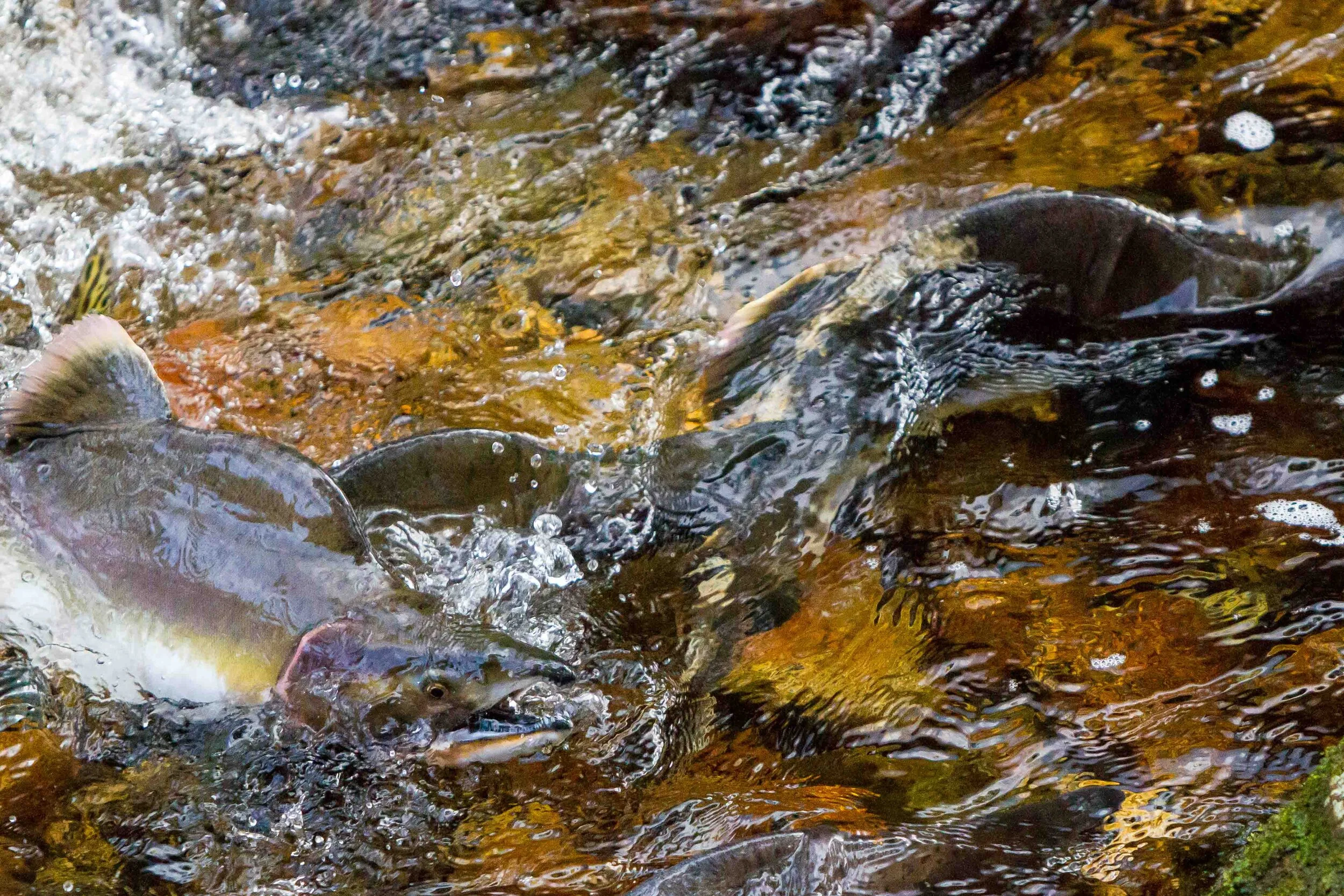
TSATSB_LowRes2.jpg

In moments like these, in the heart of the Great Bear Rainforest, it’s hard to feel anything at all, except sorry for a salmon.

All wild animals earn a hard living, but no other species in its life seems to endure such a diverse and unrelenting gauntlet as the salmon. From the time that a salmon is conceived, to the time that it dies, and for some time after that, something, wherever it may be, will be trying to eat it.

Let’s pretend, just briefly, that you’re a salmon egg, in the gravel of a river, somewhere in the rainforest, where somehow, for the last few months, you’ve survived torrential rains, a shifting riverbed, and the scavenging efforts of winter’s hunters. Snakes, at this stage, are particularly keen.

Let’s say that you hatch successfully into a little alevin, with a tiny little yolk sac to get you by for the next few weeks, and let’s say you survive long enough to become a fry. You’re an inch or two long now, a perfect little snack for herons, kingfishers, and loons.  

Let’s suppose you haven’t been eaten yet, and you’ve survived the months it takes, feeding on insects, to become a smolt, a male smolt, we’ll say, for this exercise. And let’s say that you, this male smolt, live long enough to get big enough to attempt a trip to the open ocean.

Right. Ready?

There’s safety in numbers, so you’ll be traveling in as large a posse as possible, hundreds of you at the same time, an en-masse seaward migration, and a ripe target for gulls, big squawking flocks of them, hunting you down in their ungainly but very efficient way.

Seeing as we’ve come this far, let’s imagine that you’ve been lucky, and you make it to the open ocean.

You’ll be spending the next few years out there, foraging endlessly for smaller fish, while a dizzying and comprehensive multitude of predators forage for you. Killer whales, sea lions, seals, dolphins, whales, and sharks; trollers, trawlers, long liners and jiggers. 

There are other problems too, fish farms and oil rigs, climate change, ocean acidification and pollution.

As unlikely as it seems, you survive all this, and now you’re about four or five years old, and something inside tells you it’s time to go home. Home to the very river, in fact, in which you were born. No one’s really sure how you do this. How do you find this single river mouth on a coastline tens of thousands of miles long? Some say that you steer by the earth’s magnetic fields, others say that the river you’re looking for has a distinct smell. Actually, no one’s at all sure why it’s so critical that it be the very same river in which you were born. But anyway, it’s obviously important to you, and you’ve been thousands of miles out at sea for many years, enduring all manner of struggle, so however you do it, and whatever your reasons, well done.

So, there you are, at the mouth of this river in which you were born, and let’s say that over the years you’ve been gone, that this river hasn’t been dammed, or destroyed by logging or landslides. Let’s assume too, that sufficient rain has fallen—not too much mind you, those waterfalls and rapids can get nasty—but just enough to swell the river to a navigable level.

Your chances of having survived this far are incredibly slim, but you’re not done yet. Not nearly. You’re going to want to swim up that river, past the gillnetters and the sea lions near the estuary, past the gaping mouths of bears at waterfalls, past eagles swooping from the cedars, and wolves prowling the banks.

It’s a lousy welcome home, but let’s suppose you survive it.

Oh, I almost forgot. You’ve gone through a bit of a change. The smooth blue-silver scales of your youth are now a green and burgundy battle swatch. Your svelte, bullet-like lines have gone too, and now there’s an ugly bump in your back and your jaw has extended forward, gnarled upwards, and a craggy set of dog-like teeth now protrude at uneven angles from your swollen gums. To boot, the trip up the river has left you battered and scarred, by rock and rival fish alike. You look like some sort of aquatic werewolf, suspended in transition. You are, quite frankly, grotesque.

You’re in the top percentile now, an elite group of survivors, and you’re ready, finally, to spawn.

You know what you’re looking for. She’ll be by her redd, a divot she’s carved out in the riverbed with her own tattered tail. With just a bit more luck, she’ll be leaving eggs in there for you to fertilize, and spending the very short remainder of her own life defending them. Her affections will not be easily won. You’ve other males to fight off first. You’ll be shredding each other up with those vicious little teeth you’ve all grown just for the job. 

Surely, you’re too tired to fight. Seeing as we’ve come this far, let’s say you’re not. Let’s say that you fight, and let’s say that you win this final fight, and you’re preparing, just now, and for want, perhaps, of more erotic language, to release your milt. 

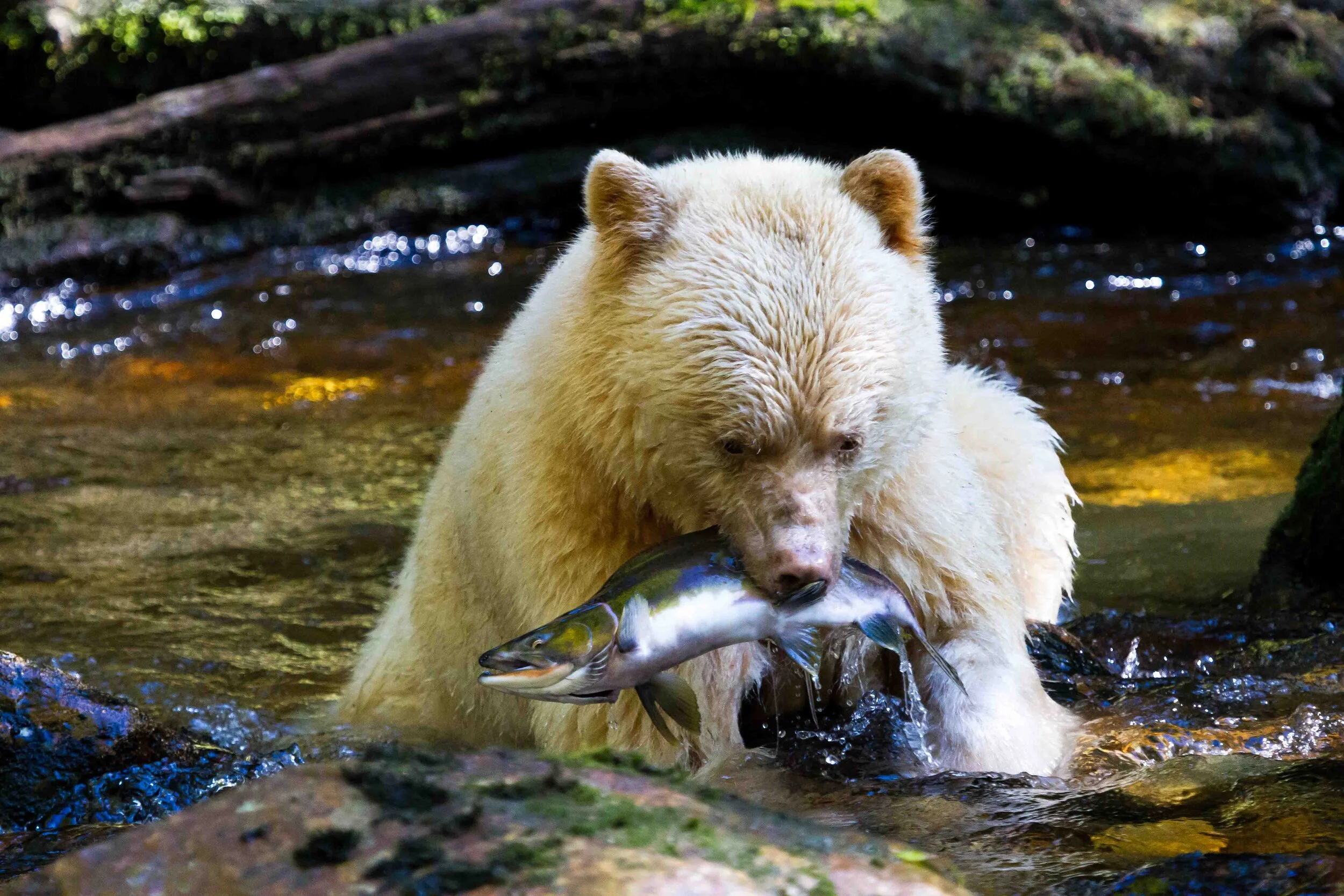
It would be unfair, don’t you think, if after such a long and hard existence, and just seconds before achieving life’s unifying and possibly solitary purpose of self-perpetuation, that you would be snatched from the water and eaten alive by a big white bear.

TSATSB_LowRes1.jpg

Most people will never see a spirit bear, but many of those that have, have seen them here, at Riordan Creek, on Gribbell Island, in British Columbia’s Great Bear Rainforest. 

One of Canada’s true treasures, the Great Bear stretches along the West Coast from the northern end of Vancouver Island to the Alaskan border. It’s twice the size of Belgium; a huge, sprawling fortress of old-growth forest, impenetrable shoreline, and rare wildlife.

It is one of the world’s magic places. On some moonless nights in the Great Bear Rainforest, the northern lights dance against the unhindered brilliance of the Milky Way while feeding fish kick up clouds of phosphorescence in the blackness of the still sea. In the distant darkness, it’s not uncommon to hear the blows of humpback whales and the howls of wolves.

By day, bears hunt salmon in the waterways of the forest.

It’s also Gitg’at territory, a people that have been around here for thousands of years. 

Marven Robinson, of the Gitg’at Nation, was born and raised in nearby Hartley Bay, and has been bringing people to Riordan Creek to watch bears for more than 20 years. 

We were talking, as strangers often do, about the weather, and strangers in the Great Bear Rainforest, often talk about rain.

“Lotta rain been fallin’,” said Marven.

“Yep,” I said, “and more coming I hear.”

“Yep,” said Marven.

“Yep,” I said.

And we stood like that for a while. Watching the river. In the rain.

As a matter of fact, there’d been a torrential downpour a couple of nights ago, and at Cameron Cove, not far from where we were, a landslide had taken out an entire river. The rubble, Marven was saying, was scattered with hundreds of dead fish, a complete run wiped out by heavy rain and shifting earth. 

“That’s a lot of dead fish,” said Marven.

“Yep,” I said.

“Yep,” said Marven.

The salmon, mostly pinks and some chum, were splashing about in golden brown pools. The grass on the banks had been laid out flat by the weight of dining bears, and flies buzzed around the dozens of fish carcasses strewn like rotten rags about the rocks. 

I was telling Marven that I’d never seen a spirit bear. 

“Never seen a spirit bear, eh?” said Marven.

“Nope,” I said.

“Huh,” said Marven.

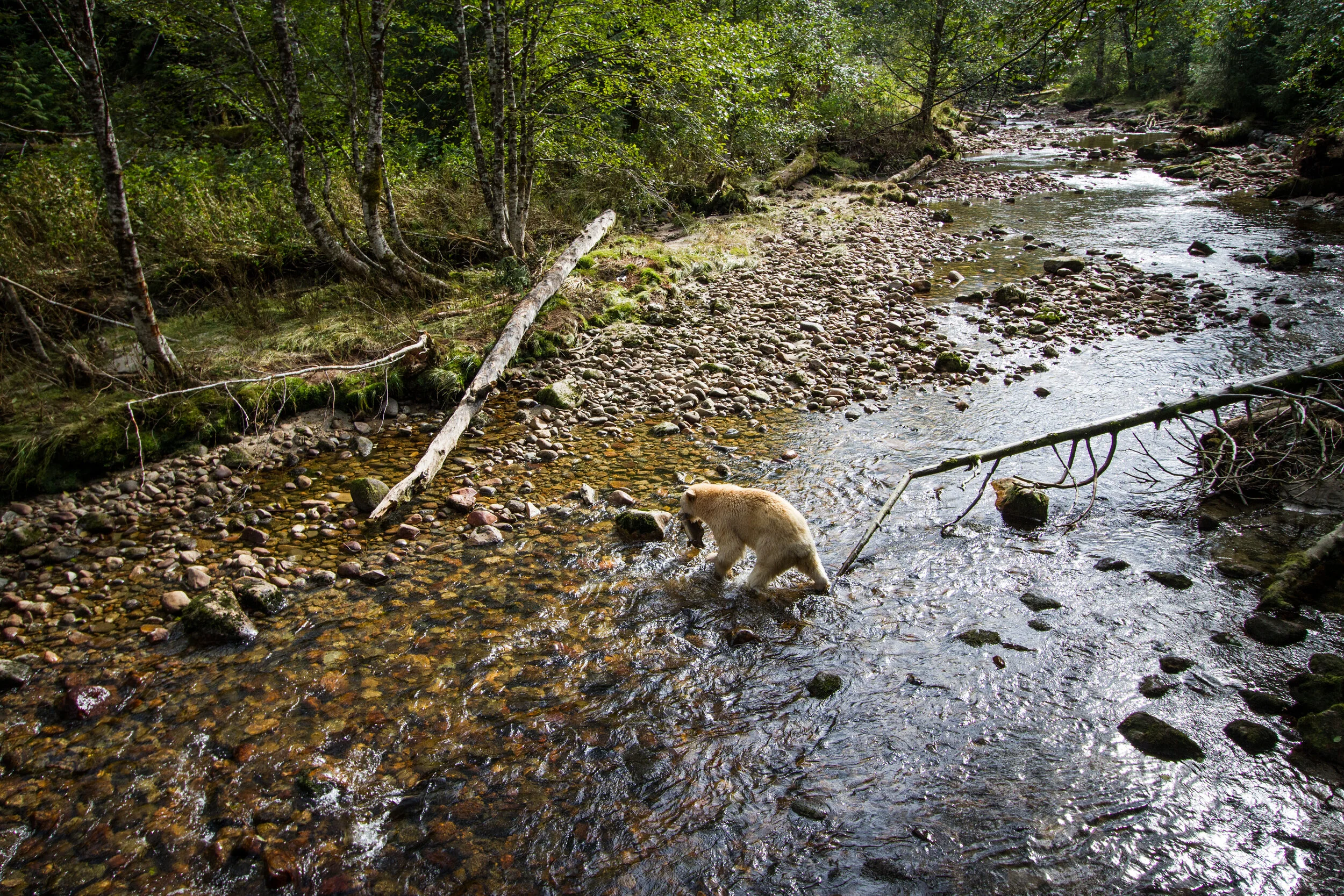
WSOTGB_FullRes-4.jpg

This is the only place in the world where some black bears are white. White black bears are often called spirit bears, or Kermode bears, and of the roughly 150,000 black bears living in British Columbia, only a hundred or so wear white fur, and they all live here, in the Great Bear. 

Biologists will tell you that it’s just a genetic anomaly, that for some reason, eons ago, a gene mutated, and now about ten percent of the bears here are born white. In local legend (which is always a lot more fun) Raven, who had turned the world green after the age of ice, wanted a reminder of that erstwhile time, when all the world was silver, and it was Raven that decided that every tenth bear would be white.

In the old days, if you saw a spirit bear, you were to keep it to yourself. If you were lucky enough to see one, it was a sacred secret. These days an ecotourism industry exists (as do petty, corporate bickerings over the trademarking of the ‘Spirit Bear’ name) and it’s hard to keep a shared sighting secret. 

These days most experienced guides call spirit bears white bears. Marven calls them white bears. A voice crackled over the radio. A white bear was on its way up the river. 

Marven keyed his mic to talk. 

“Do up the suit real tight,” he said. “There’s a fella here never seen a white bear.”

In the distance, I could see the animal moving deftly up the river towards us, pausing every now and then to look into a pool. 

“That’s Boss!” whispered Marven.

“I know,” I whispered back. “So cool!”

“No,” whispered Marven. “The bear’s name is Boss.”

Boss’s name is Boss because he’s the boss about this part of the river. He took over about four years ago, displacing the dominant male at the time, Scarface, who, one assumes, got his name gaining and retaining this dominance. 

Until there was a new boss.

Boss came closer and closer, and paused on the opposite bank, about thirty feet away, and turned towards us.

And that’s when he saw you, this ragged, battered fish, already nearing your final throes.

What you might not want to know, is the ease with which he took you. The bear, already plump from gorging on so many of your kindred, just waddled along the bank, took a sharp turn, made a quick, effortless pounce into the river, and dragged you out before skulking back into the forest to eat its snatched snack like a bad dog leaving the scene of an unattended dinner table.

It was awesome, with all the weight that the word once carried, and I forgot, just for a second, to feel sorry for the salmon. 

Keep Moroccan Heritage Alive

Stay Wild

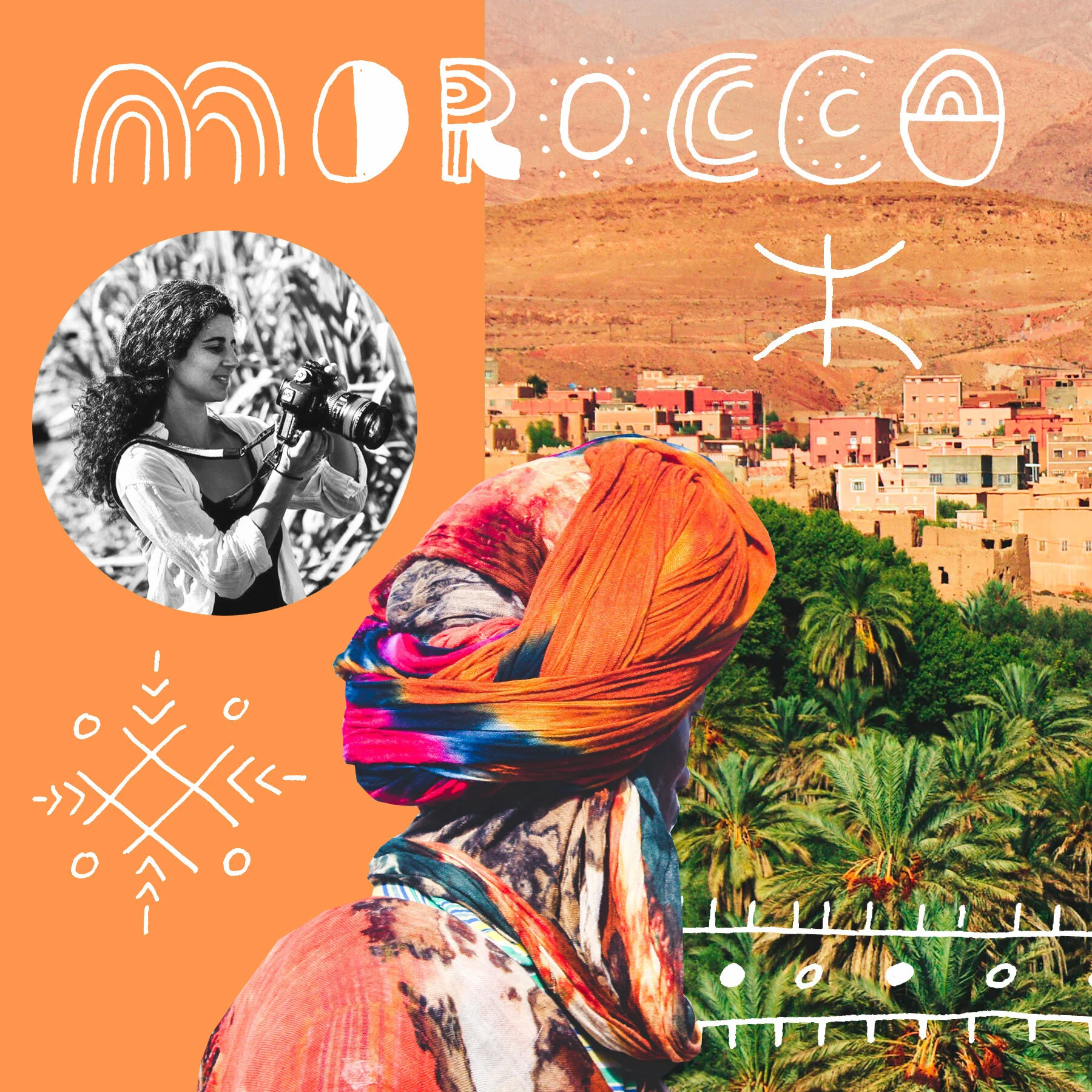
Help-Sera-1.jpg

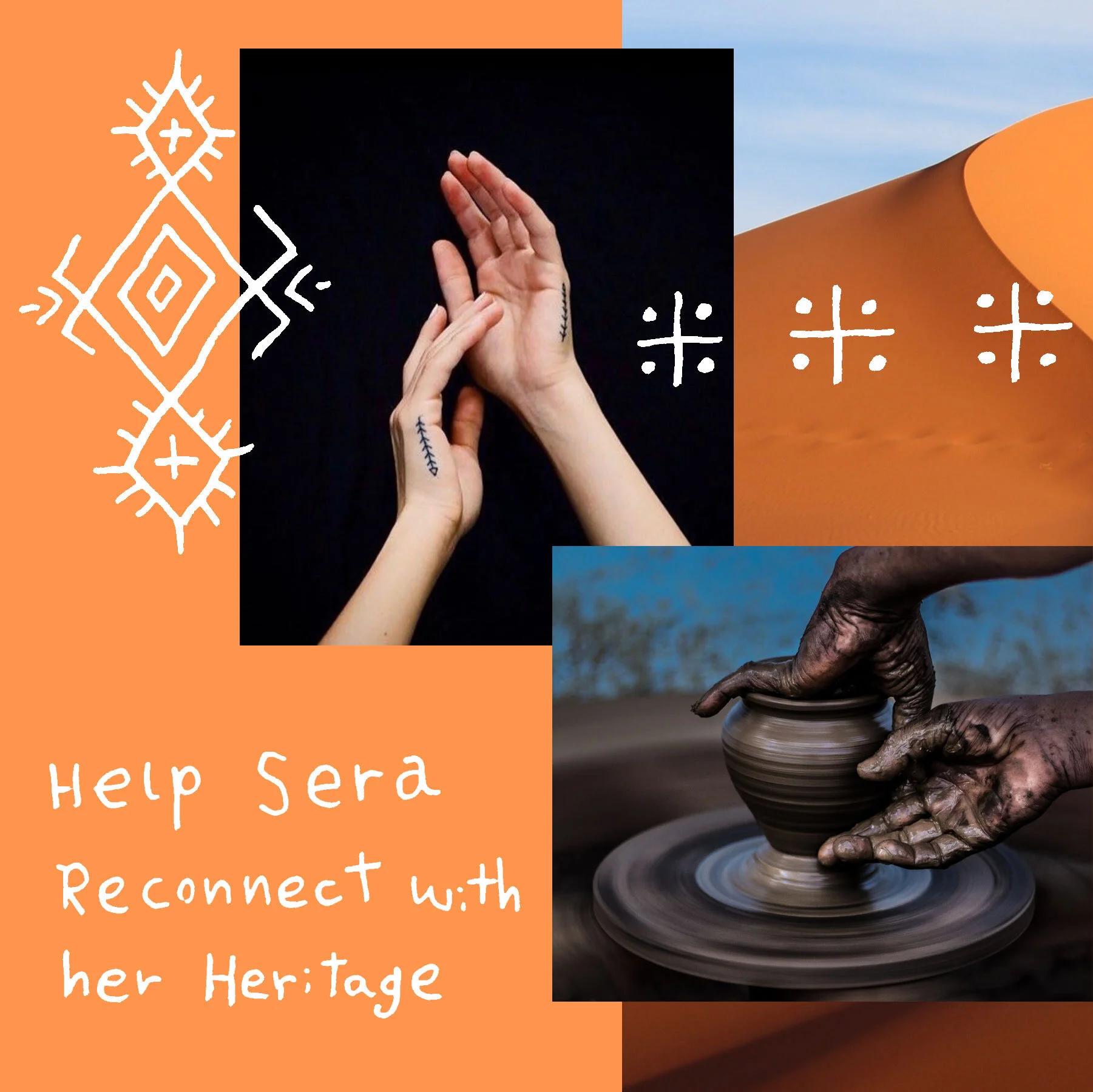
One of our favorite contributors Sera Lindsey is planning an adventure to reconnect with her Moroccan cultural heritage and is looking for a little help from people like you. You've probably "liked" countless photos and stories by her in our magazine, but her personal journey is far more interesting. Head over to her profile page for more info and help out if you can.

LEARN MORE HERE >>>

Help-Sera-3.jpg

Desegregate Surfing

Stay Wild

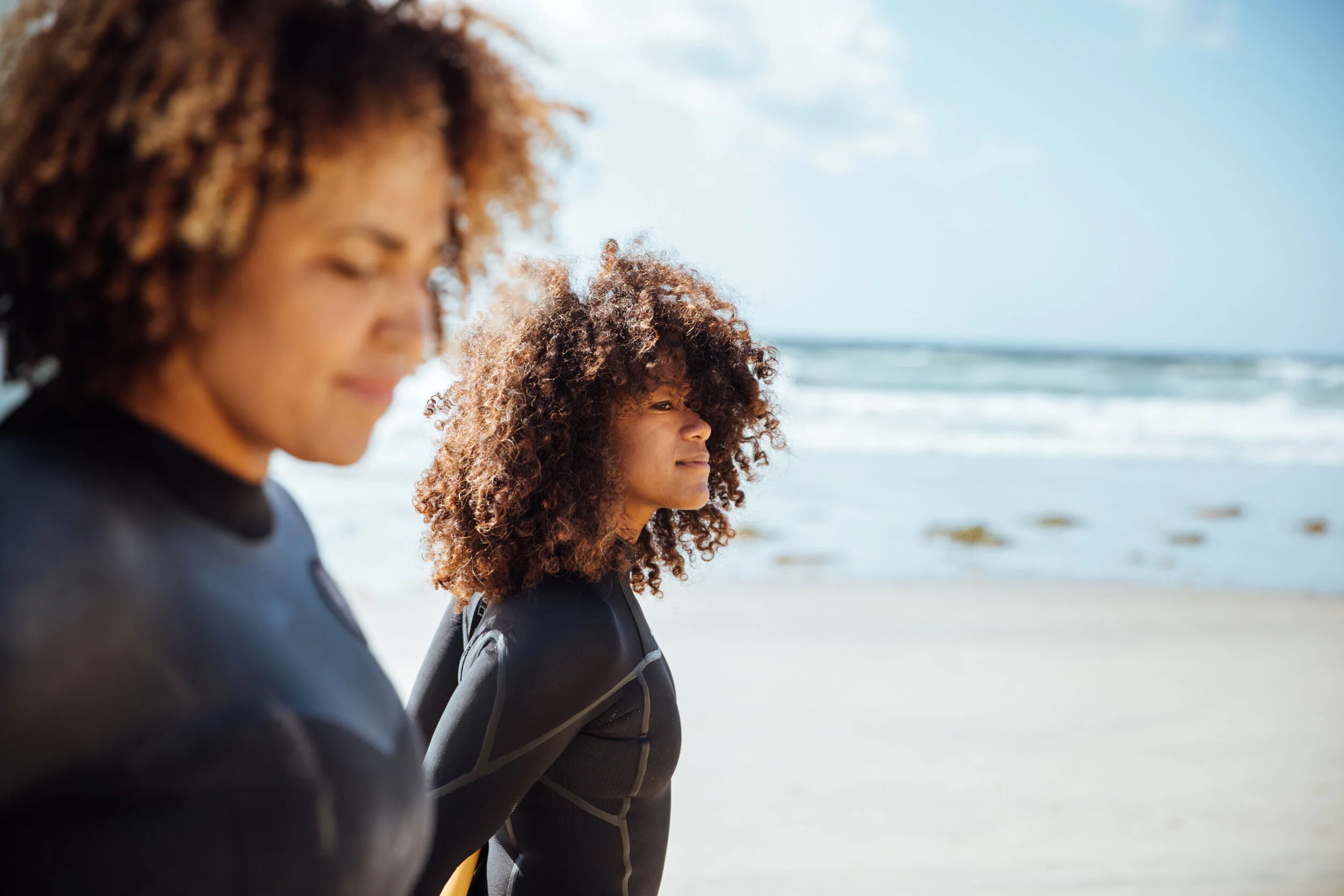
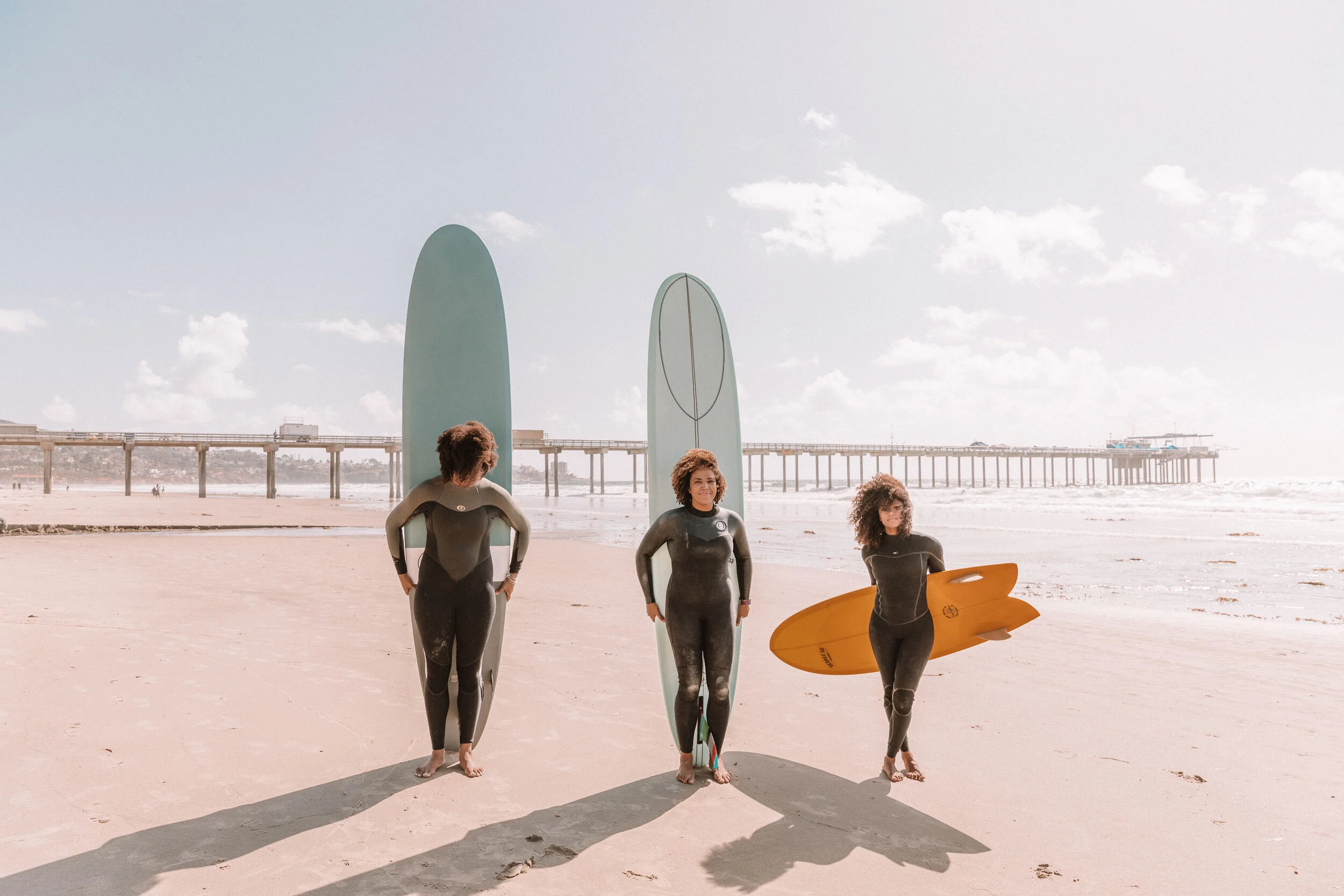
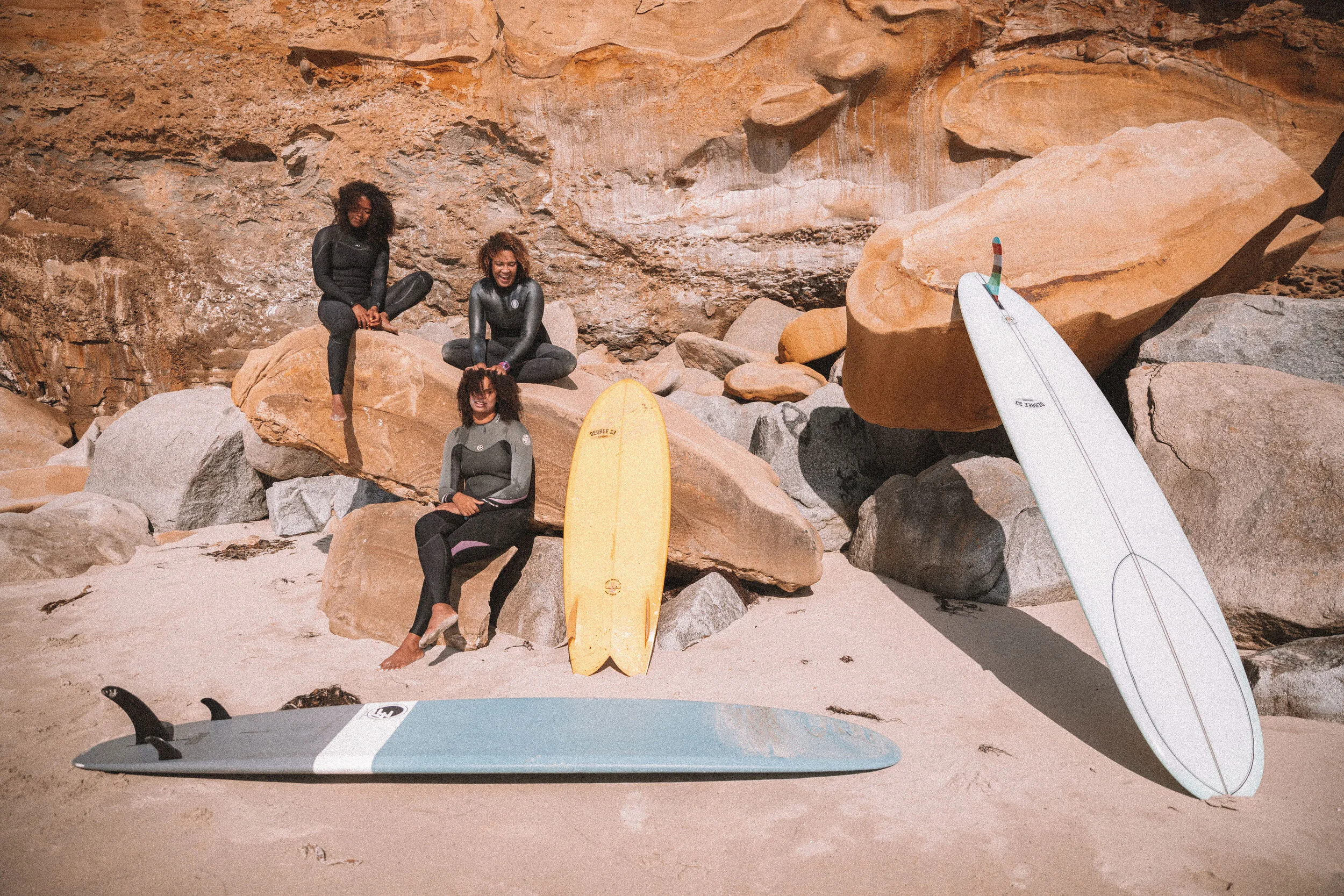
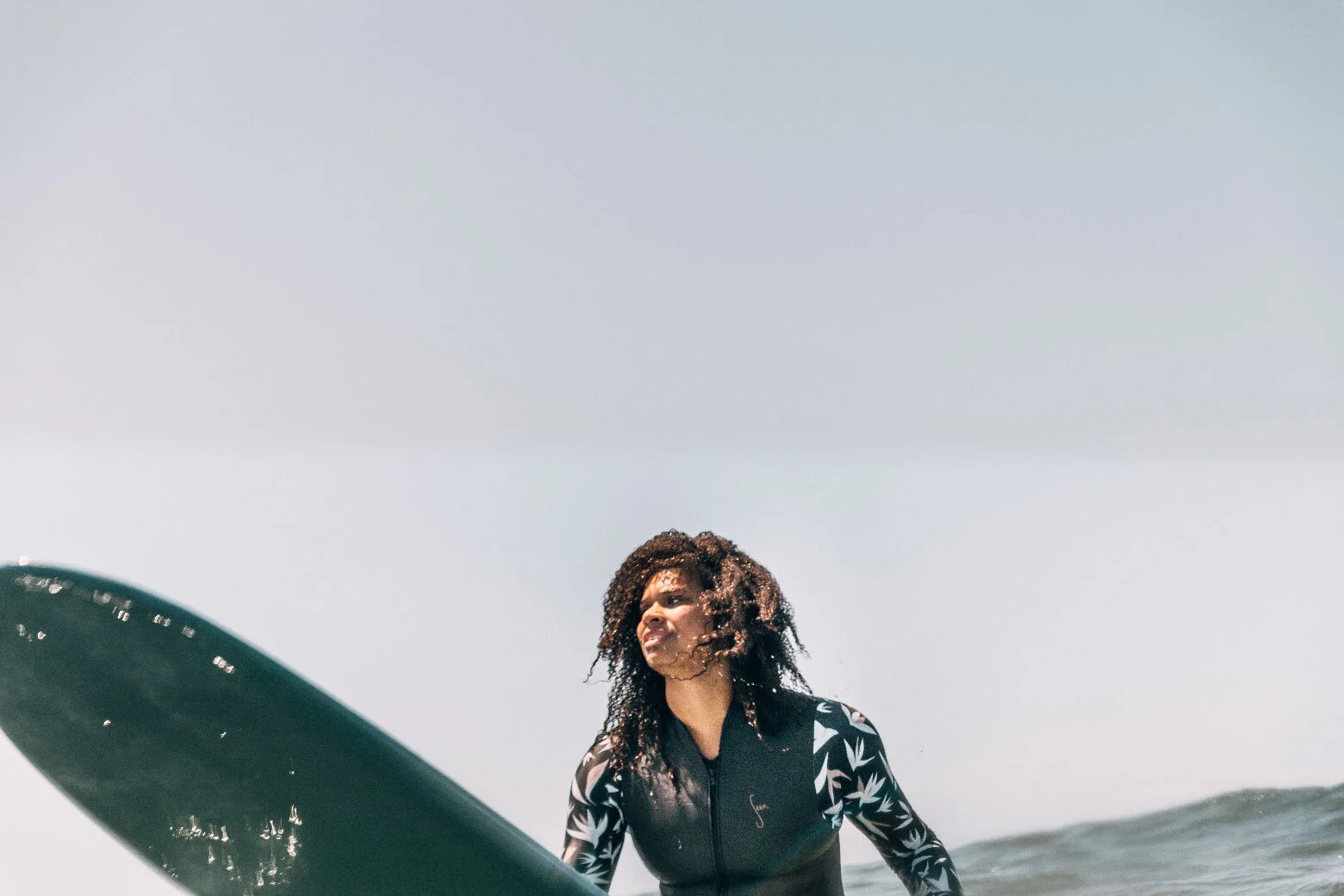
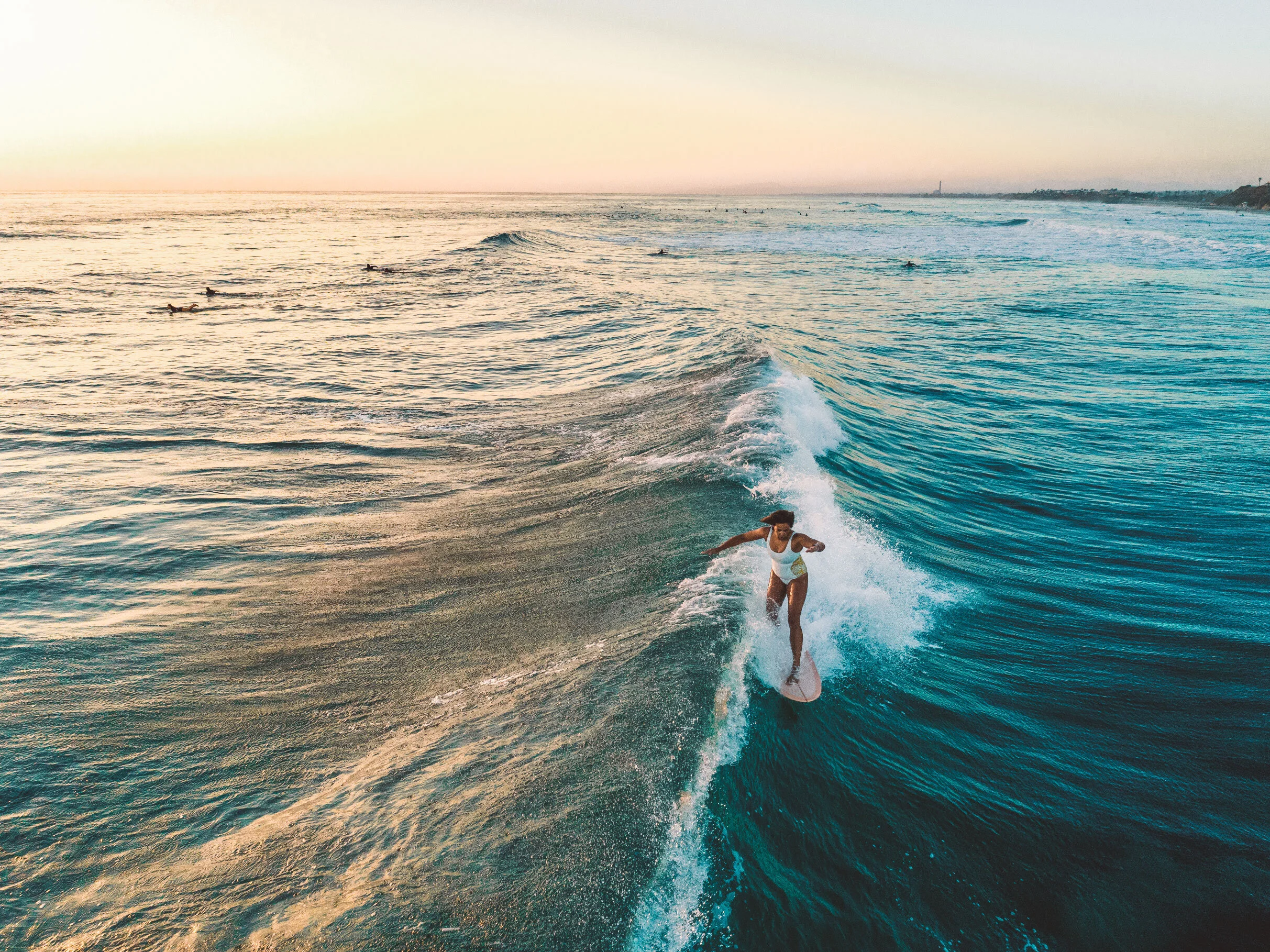
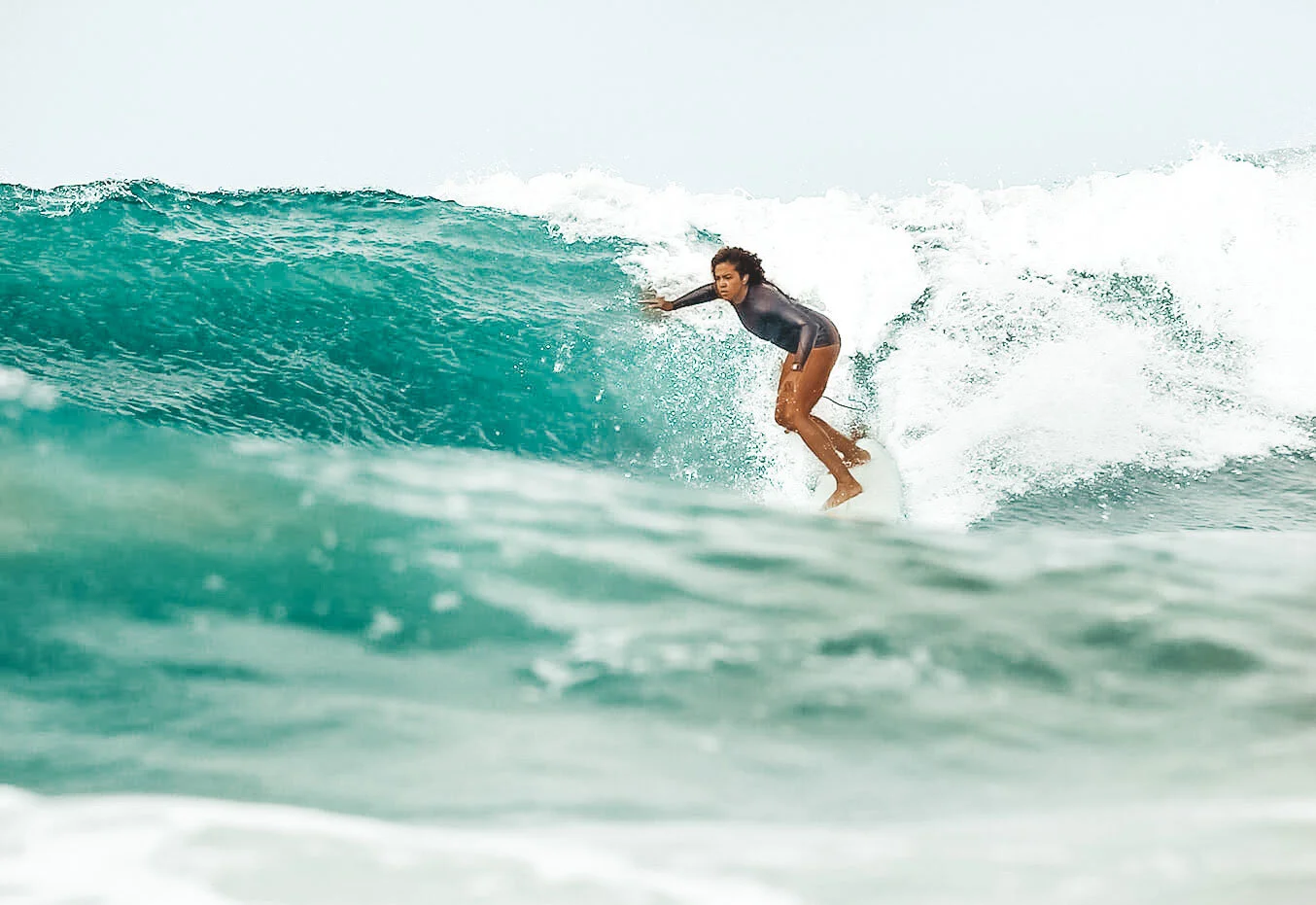
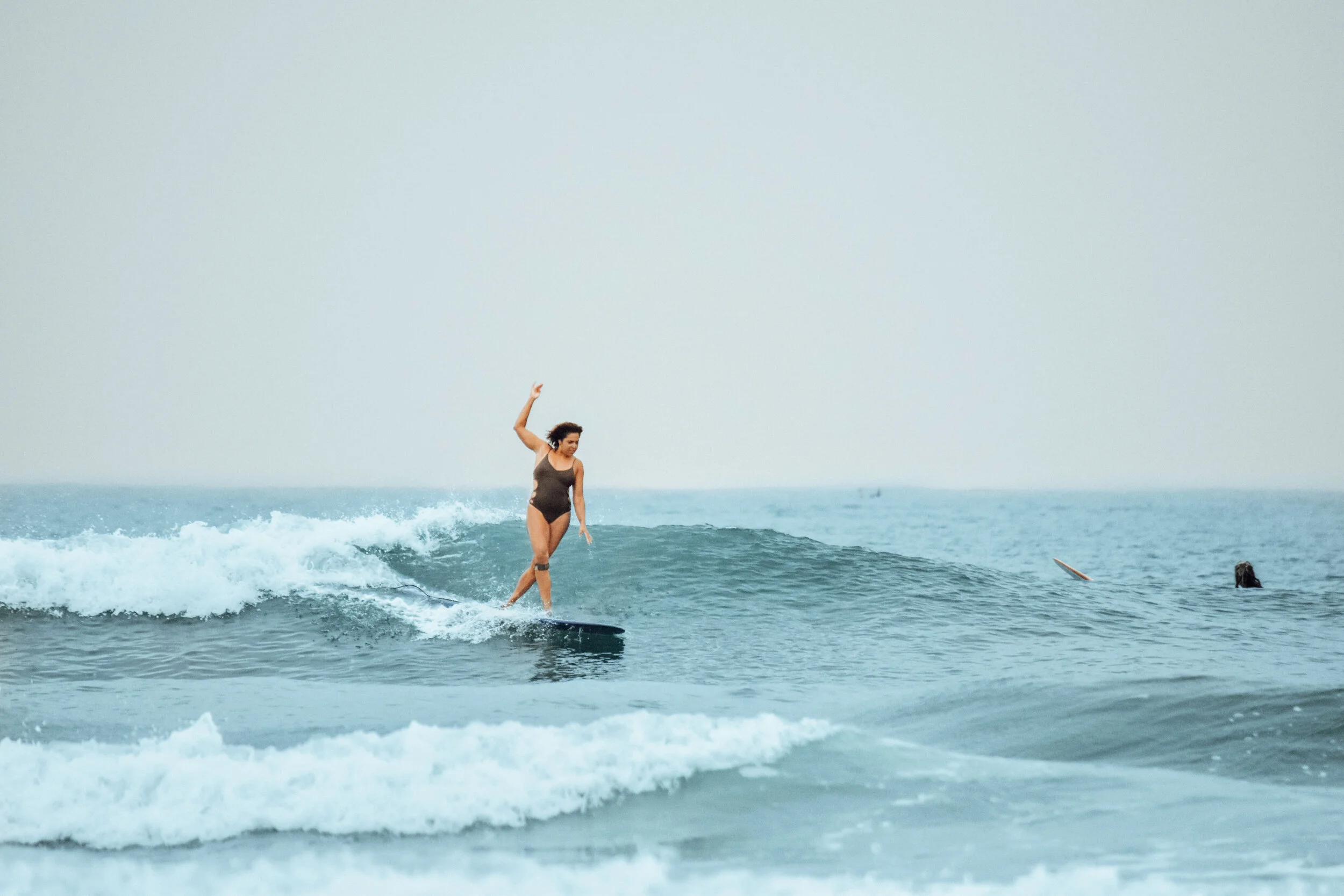
Welcome the Wave-Sliding Women of Textured Waves

3W7A3996-v2.jpg


Photos by Kat Carney // @katcarney

Interview by Justin “Scrappers” Morrison // @scrappers

Featuring Textured Waves Community Members // @texturedwaves

Chelsea Woody // @chel.bythe.sea

Danielle Black Lyons // @salty_sol

Gigi Lucas // @living_inthelight

Martina Duran // @duranmc

IMG_2999.jpg

“My beach! My chicks! My waves! Go home! Go home!”

-Surf Punks, from their 1977 tape My Beach.

Growing up as a “Valley Kid” in Burbank, California, I so desperately wanted to be a surfer, so I dressed the part. Using white foamy mousse, I styled my blond hair into a curling wave. Back to school clothes came from Val Surf: Jimmy Z velcro pants, Hobie surfasaurus T-shirts, and T&C stickers for my Trapper Keeper. I watched North Shore countless times to learn the walk and talk. The secret surfer gang sign became all mine. “Shaka, broh-ther.” The soundtrack for my whole vibe came from a tape by the Surf Punks. They rhymed “tubes” with “boobs” and they taught me surf culture. When I finally got a surfboard the reality of my fake surfy identity melted like a sand castle against the waves.

On the elementary school playground, I could walk and talk like a surfer, but in the water I was 100 percent pure, unrefined kook. The kind locals tell scary stories about while warming feet by driftwood fires. It wasn’t until I grew out of my fake surfer phase and moved north to Oregon that I actually began surfing and seeing the truth about surf culture. The dominant narrative of checking out teenage girls, chugging brews, and having radical tube rides was sold to me from the surf industry by old white men. The truth I found out in Oregon’s cold water was about picking berries on the hike in, the magic of Canadian wool, and that we all look the same in black hooded wetsuits. Surfing strips me of all the decorative nonsense I surround myself with—so I can stand up solid with pure intentions and ride waves of natural freedom.

Surf culture as it was sold to me was not the truth. Culture is fluid like the water it grows around; it’s not up to an industry dominated by old white men to define. Culture is up to each of us to define. 

People of color in the States face more obstacles than a white boy from the Valley like me, but in finding our separate paths to the water, we found culture. The women of Textured Waves are redefining surf culture. Their perspective isn’t what we see printed in surf magazines or sold in surf shops, but it’s a truth we should all welcome and encourage if we want to elevate the surf culture conversation. I asked Textured Waves a couple questions and realized very quickly that we might come from different backgrounds, but we all get in the water for the same reasons. 

3W7A3905-v2.jpg

Why do you surf?

Danielle Black Lyons // I feel deeply connected to the sea. After dropping my son at school, riding waves is how I start my days. It gives me creative inspiration and sets the mood for the day ahead.

Chelsea Woody // Surfing is my baptism. I have a stressful day job working in healthcare and it’s so important for me to plunge into the ocean and wash off all the trauma and stress of my day. 

Martina Duran // Surfing is my grounding activity. It is how I release the negative, but also how I release the ego. It brings me back to center my thoughts for the remainder of the day.

Gigi Lucas // I surf because it reconnects me to a place that grounds me and frees my mind. 

3W7A3895-v2.jpg

How has surfing transformed you?

Danielle- Surfing has molded me into this shiny version of myself that I didn’t know existed. I am more tolerant, kind, and creative when I start my days with a surf. It’s a noticeable difference when I haven’t surfed. It’s like how some people rely on that morning cup of coffee to get them through their day. Surfing is my cup of coffee!

Chelsea // Surfing has allowed me to see the world through a different lens and express myself in various creative ways. The ocean has taught me so many lessons in patience, perseverance, persistence, and self acceptance. 

Martina // As someone who suffered a seven-year battle with depression, surfing was the activity that pulled me out of the dark. It was at times the only thing that gave me light. The ocean has taught me the purest form of acceptance. It allows all forms of energy to roll through her without changing its permanent mold. I used to think that the ocean “washed away” my problems, but now I know she has taught me to accept them and let the world roll through me without changing who I am. I keep true to myself because the ocean has shown me that for every storm I may have to weather, there will be twice as many sunsets. And accepting both equally is the true definition of grace, power, beauty, and peace.

Gigi // I call surfing my type A personality therapy. Surfing is constantly teaching me to surrender and remain present, which is completely contradictory to my innate behavior.

3W7A4009-v2.jpg

How did you get into it?

Danielle // I have always been a waterwoman growing up in northern California. It was a natural next step in my journey when I was visiting a friend in Hawai’i and she let me borrow her longboard. Everything just clicked and I knew I was meant to ride waves.

Chelsea // I haven’t been surfing for a very long time—I only started about four years ago at the age of 30. My husband and I were on a year and a half sabbatical from work and one of my goals was to learn to surf. We planted ourselves in Indonesia for a couple of months and taught ourselves to surf. 

Martina // I took my first lesson while spending a semester in Costa Rica for a study abroad program in college many years ago. I further honed my skills while living in Florida and continue to grow in my surfing journey here in Hawai’i.

Gigi // Surfing has always been on my “learn-to-do” list. So when the opportunity presented itself to move to a locale where I could literally design my day around swells and tides, I jumped on it.

IMG_3718-v2.jpg

Why do we not see many black surfers in surf culture?

Culturally, in America it’s not a sport that has been nourished in the African American community. There have been a select few influential African American surfers, but somehow their stories seem to get overlooked. Surfing is a sport that is passed down through generational exposure—that coupled with our limited access to water that dates back all the way to slavery times. There are key points in history that held black folks back from their potential as waterwomen and men such as Jim Crow laws, the segregated pools and beaches of the 60s, and specifically for African American women, societal pressures imposed on us to maintain unrealistic standards of beauty. As time goes on, oppression is adopted as culture and we find generational gaps in aquatic arenas. African American women have an especially complicated relationship with water due to fear of repercussions for their hair, another type of eurocentric bondage to unpack. 

RyanSzot_leucadia-2.v2.jpg

What obstacles do you think POC face when entering surf culture?

There are still no professional African Americans on the World Surf League or professional circuits, and it’s important that we analyze what those barriers might be. Lack of representation and feelings of otherness can make it hard to enter surf culture. Surfing professionally still requires somewhat of a leisurely lifestyle, and if your folks aren’t financially able to afford to send you into the competitive world then that makes it difficult. There’s a lack of sponsorship to infiltrate and influence change in the mainstream surf industry. Also, entering a surf culture that for nearly 70 years remained so tightly-knit is intimidating. Localism at surf spots is hard to penetrate, especially when much of the rhetoric behind localism is reminiscent of that of the Jim Crow era mentality. For example: “If you don’t live here, don’t surf here.” 

In American coastal towns, there is often a lack of diversity. To be good at surfing, daily exposure is necessary. So people of color tend to stick out like a sore thumb and that comes with a lot of curiosity. People are mostly kind and welcoming once they’ve seen you a few times, but we still get a lot of long looks in the lineup. Some people have never seen a black surfer and there is a sense of having to be an ambassador of your people and proving that you deserve to be there.

Wave riding is indigenous in its roots; Hawaiians brought surfing to the masses. White Americans took this sport of kings and made it mainstream.

A great majority of people still associate surfing as being for white males only. This is reinforced due to the saturation of surf films, advertisements and photography focusing on that culture and dominating the media. Textured Waves’ mission is to smash that dated narrative and turn it on its head.

KCAlfred_Oceanside-2-v2.jpg

What’s the narrative Textured Waves would love to hear told by future generations?

We hope future generations feel more comfortable in outdoor and aquatic spaces and don’t question their place in the lineup. We would love to see groms ripping on the professional circuits, perhaps the first Serena Williams of surfing.

AshleighYob_oceanside-2-v2.jpg

What can all surfers do to help change the dominant narrative?

As far as journalism goes, it’s important that surf trades, organizations, and media outlets do their research. So much of the attention focused on black surfing is negative and clickbait material that contributes to the stereotypes that many of us are working hard to tear down. 

We can’t change anything if we aren’t allowed in the door. Every person can be a bit more kind when they see a new face in the lineup and try and have some empathy. After all, it is a privilege to grow up feeling comfortable in the ocean. 

The ocean does not belong to one person or one group.